Mastering Non-Profit Organization Financial Management: A Practical Guide
Discover actionable strategies for effective non-profit organization financial management. This guide offers insights on budgeting, fundraising, and transparency to ensure your nonprofit thrives while staying true to its mission.
4 min read

Overview
Running a non-profit organization is a labor of love, but it comes with unique financial challenges. Effective non-profit organization financial management ensures your mission thrives while maintaining trust with donors, volunteers, and the community. This guide dives into practical strategies, personal insights, and proven methods to keep your nonprofit financially healthy.
Why Financial Management Matters for Nonprofits
Nonprofits exist to serve a cause, not to generate profit. But without solid financial management, even the most passionate nonprofit organization can falter. Money fuels your programs, pays your staff (if you have any), and keeps the lights on. Mismanagement can lead to wasted resources, lost trust, or even closure.
I’ve seen small nonprofits struggle because they didn’t prioritize financial oversight. One local charity I worked with nearly shut down after overspending on a single event, leaving no funds for their core programs. The lesson? Financial discipline is as critical as passion.
Key Principles of Nonprofit Financial Management
To succeed, nonprofits must balance mission-driven goals with fiscal responsibility. Here are the core principles: - Transparency: Donors and volunteers want to know how their contributions are used. - Accountability: Clear records build trust and meet legal requirements. - Sustainability: Plan for the long term, not just the next event. - Mission Alignment: Every dollar spent should support your cause.

Building a Strong Financial Foundation
Create a Realistic Budget
A budget is your nonprofit’s roadmap. It shows where money comes from and where it goes. Start by listing all revenue sources—grants, donations, fundraising events, and program fees. Then, outline expenses like rent, salaries, and supplies.
Pro Tip: Involve your team, including volunteers, in the budgeting process. Their insights can highlight hidden costs or opportunities. For example, a volunteer at a youth nonprofit I advised suggested cutting printing costs by going digital, saving thousands annually.
Sample Nonprofit Budget Breakdown
| Category | Percentage of Budget | Example Expenses |
|---|---|---|
| Programs | 60-70% | Workshops, outreach, supplies |
| Admin | 15-20% | Salaries, rent, utilities |
| Fundraising | 10-15% | Events, marketing |
| Reserves | 5-10% | Emergency funds |
This table is a starting point. Adjust based on your nonprofit’s size and goals.
Fundraising: The Lifeblood of Nonprofits
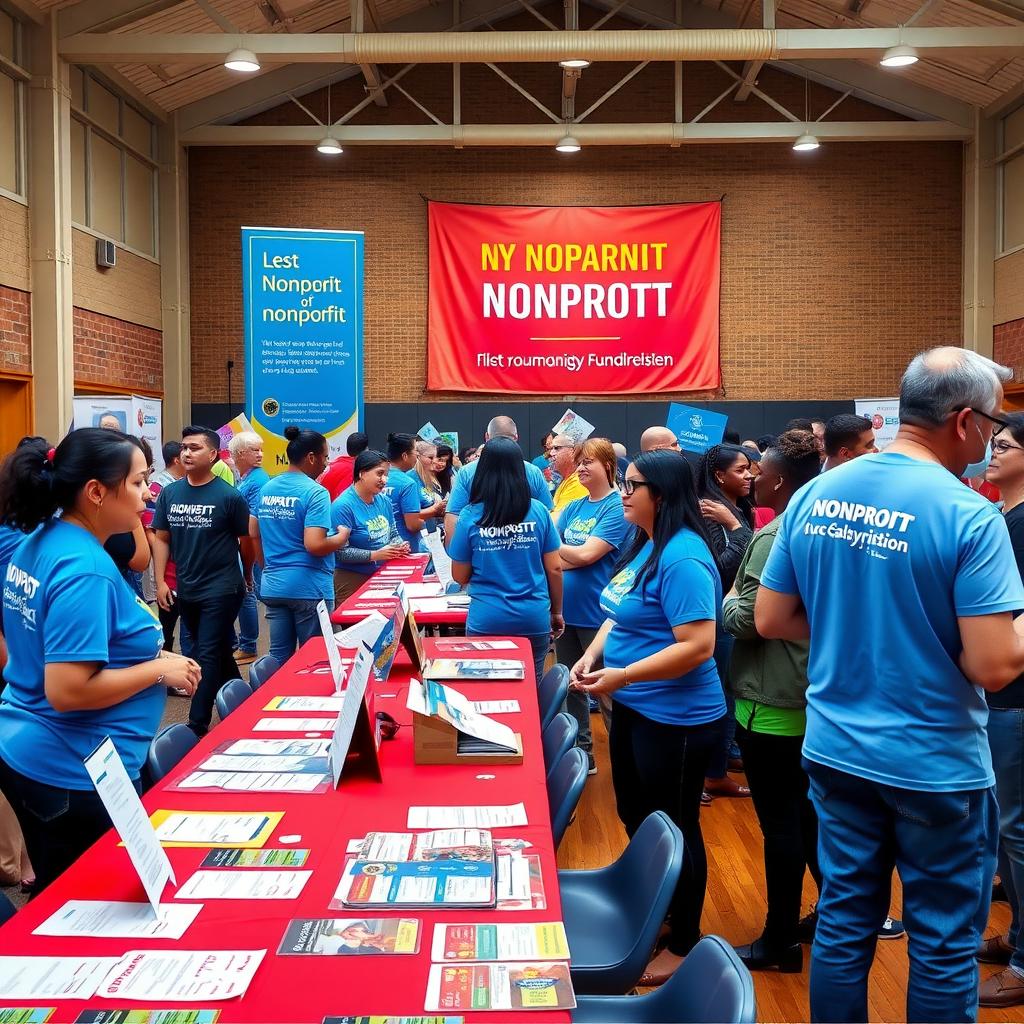
Fundraising fuels your mission, but it’s not just about asking for money. It’s about building relationships. Donors and volunteers want to feel connected to your cause. Share stories of impact—like how a single donation helped a family or funded a community project.
One nonprofit I worked with doubled their donations by hosting small, personal events where donors met beneficiaries. It wasn’t a flashy gala; it was authentic. Focus on what makes your nonprofit organization unique.
Transparency and Reporting
Donors expect transparency, and so do regulators. In the U.S., nonprofits must file IRS Form 990 annually, detailing income, expenses, and programs. Beyond compliance, clear financial reports build trust. Share summaries with donors and volunteers through newsletters or your website.
Actionable Tip: Use free tools like QuickBooks Nonprofit or Wave for bookkeeping. They simplify tracking and reporting, even for small teams. I’ve seen organizations save hours by switching to these platforms.
Managing Volunteers in Financial Roles
Volunteers are often the backbone of a nonprofit organization, but involving them in financial tasks requires care. Train them thoroughly and assign clear roles. For example, one nonprofit I supported had a volunteer treasurer who tracked donations but wasn’t trained in accounting. This led to errors that took months to fix.
Best Practice: Pair volunteers with experienced staff for financial tasks, and use written guidelines to ensure consistency.
Planning for the Future
Nonprofits often focus on immediate needs, but long-term planning is crucial. Build a reserve fund to cover unexpected costs, like repairs or economic downturns. Aim for 3-6 months of operating expenses. Also, diversify revenue streams—don’t rely solely on one grant or donor.
A nonprofit I advised survived a funding cut by tapping into a reserve fund and launching a new crowdfunding campaign. Planning ahead made the difference.

Common Pitfalls to Avoid
- Overspending on Fundraising: Lavish events can eat into donations. Keep costs low and focus on impact.
- Ignoring Compliance: Missing IRS deadlines or local regulations can lead to fines or loss of nonprofit status.
- Neglecting Volunteers: Untrained or unengaged volunteers can make costly mistakes.
- Lack of Reserves: Without a safety net, one bad year can end your mission.
I’ve seen these mistakes firsthand. A food bank I worked with nearly lost its status due to late filings. A quick consultation with a nonprofit accountant fixed the issue, but it was a wake-up call.
Tools and Resources
Invest in tools that streamline non-profit organization financial management. Besides QuickBooks and Wave, consider: - DonorPerfect: For donor tracking and fundraising. - GrantHub: To manage grant applications. - Xero: For cloud-based accounting.
Check out resources like the National Council of Nonprofits for templates and guides. Their budgeting toolkit is a lifesaver for small organizations.
Summary
Effective non-profit organization financial management is about more than numbers—it’s about trust, sustainability, and impact. By creating a realistic budget, prioritizing transparency, engaging volunteers, and planning for the future, your nonprofit can thrive. Start small, stay consistent, and always tie your financial decisions to your mission.