Online Advocacy: A Beginner’s Guide by the Electronic Frontier Foundation - Practical Tips for New Activists
Get started with digital activism today. This beginner-friendly guide shares practical, actionable tips to advocate effectively online while protecting your privacy and amplifying important causes.
3 min read

Overview
Online advocacy empowers anyone with an internet connection to drive real change. Inspired by the Electronic Frontier Foundation’s long-standing defense of digital rights, this beginner’s guide offers simple, practical steps to start advocating safely and effectively for issues like privacy, free speech, and internet freedom.

Why Online Advocacy Matters Today
The internet has transformed how we raise our voices. Movements that once required street protests can now gain momentum with a single post, email, or petition. According to the Pew Research Center’s report on activism in the social media age, a significant portion of Americans have used digital tools to encourage others to take action on important issues (https://www.pewresearch.org/internet/2018/07/11/activism-in-the-social-media-age/).
You don’t need to be an expert to make a difference. Many successful campaigns started with ordinary people sharing information, signing petitions, or contacting representatives. Online advocacy lowers barriers—anyone can participate from home, on their own schedule.
How to Start with Digital Activism for Beginners
Begin small. Choose one issue that matters to you—perhaps online privacy, censorship, or access to knowledge. Follow reputable organizations like the Electronic Frontier Foundation to stay informed about current threats and victories.
Step-by-Step Starter Plan
- Educate yourself – Read reliable sources to understand the issue.
- Pick one action – Sign a petition or share a post.
- Build the habit – Set aside 15 minutes a week for advocacy.
- Connect with others – Join online communities focused on your cause.
When I first started, I felt overwhelmed by the number of issues. I picked online privacy because it affected my daily life. Signing my first petition took less than two minutes, yet it felt empowering.

Stay Safe While Advocating Online
Privacy and security are essential, especially when speaking out on controversial topics. Use strong, unique passwords and enable two-factor authentication everywhere.
Consider encrypted tools: - Signal or WhatsApp for private messaging - HTTPS websites for browsing - VPNs when on public Wi-Fi
The Electronic Frontier Foundation’s Surveillance Self-Defense toolkit provides clear, beginner-friendly advice on protecting yourself from unwanted monitoring. Simple habits—like avoiding sharing personal details publicly—go a long way.
Effective Ways to Contact Decision Makers
One of the most direct forms of advocacy is reaching out to elected officials. Use official government resources to find your representatives (https://www.usa.gov/elected-officials).
Tips for impactful messages: - Be polite and concise - Share a personal story - Clearly state what action you want - Include your contact information
Emails and phone calls carry more weight than form letters. A short, personal note explaining why an issue matters to you can influence policy staff.
Mastering Social Media for Advocacy
Social platforms amplify your voice to thousands. Start by following and sharing content from trusted organizations.
Best practices: - Use relevant hashtags to increase visibility - Tag decision makers when appropriate - Share accurate information with sources - Engage respectfully with comments
Visual content—infographics, short videos, or memes—often spreads faster than text alone. Always fact-check before sharing.
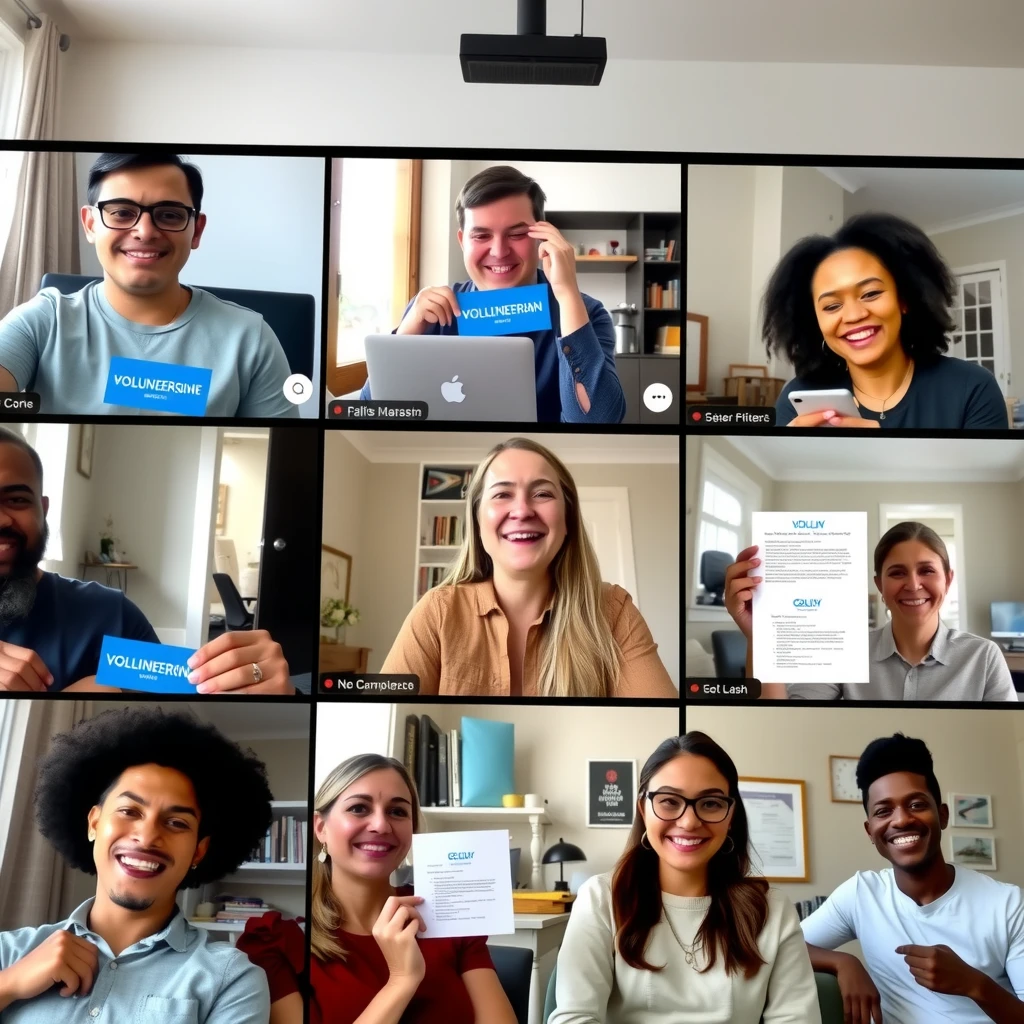
Online Advocacy Volunteering Options
Many organizations welcome remote volunteers. You can contribute skills like writing, graphic design, research, translation, or moderation without leaving home.
Popular ways to volunteer: - Monitor and report censorship incidents - Translate educational materials - Help manage social media accounts - Research upcoming legislation - Moderate online communities
| Volunteer Role | Time Commitment | Skills Needed |
|---|---|---|
| Social Media Support | 2–5 hours/week | Writing, basic graphics |
| Research Assistant | Flexible | Reading, summarizing |
| Translator | Project-based | Language proficiency |
| Community Moderator | 5–10 hours/week | Communication, patience |
| Petition Promoter | 1–3 hours/week | Outreach, enthusiasm |
Volunteering builds skills and connections. Many activists find that consistent small contributions lead to larger leadership roles over time.
Measuring Your Impact and Staying Motivated
Track wins, no matter how small. A bill amended, a policy changed, or even increased awareness—all count.
To avoid burnout: - Set realistic goals - Take breaks when needed - Celebrate victories with your community - Remember progress is often gradual
Final Thoughts
Online advocacy is accessible, powerful, and necessary. Start with one action today—whether signing a petition, sending an email, or sharing accurate information. Every voice strengthens the movement for digital rights and freedoms.
You have the tools to make a difference. Begin where you are, use what you have, and keep learning as you go.