How to Organize a Community Service Event That Makes a Difference
Learn how to plan and execute a successful community service event with practical tips, personal insights, and actionable steps. From setting goals to rallying volunteers, this guide covers everything you need to create a meaningful service learning experience.
5 min read
Overview
Organizing a community service event is a powerful way to bring people together, address local needs, and foster a sense of unity. Whether it’s cleaning up a park, supporting a food drive, or mentoring youth, a well-planned event can create lasting impact. This guide shares practical steps, personal experiences, and expert tips to help you plan a successful service learning project that inspires volunteers and benefits your community.
Why Organize a Community Service Event?
Community service events do more than just address immediate needs—they build connections and empower people. When I helped organize a neighborhood cleanup, I saw strangers become friends as they worked side by side. These events create opportunities for service learning, where volunteers gain skills and perspective while giving back. According to a study from the Corporation for National and Community Service, volunteering boosts mental health and strengthens community bonds. Plus, it’s a chance to make a tangible difference.
Step 1: Define Your Purpose and Goals
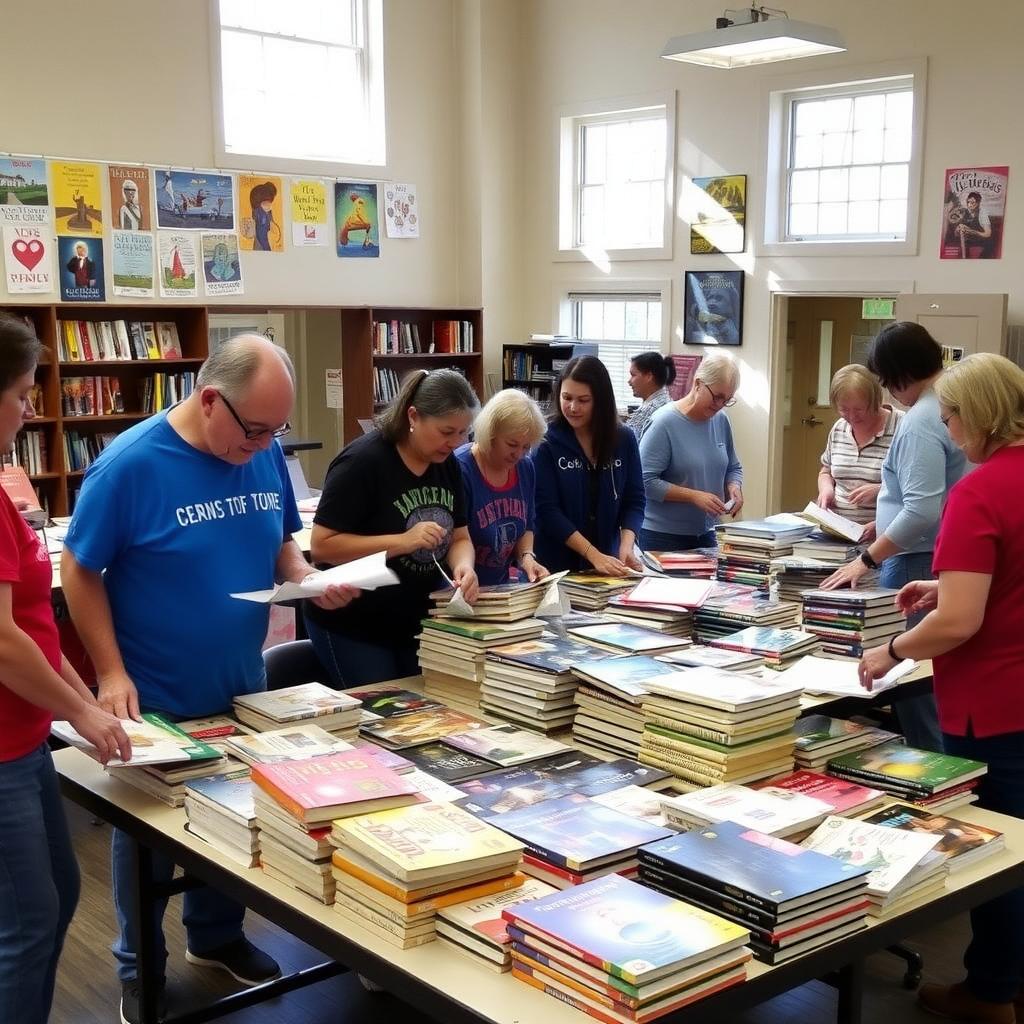
Every great event starts with a clear purpose. Ask yourself: What problem are you solving? Are you feeding the hungry, beautifying a public space, or raising awareness? When I organized a book drive for local schools, our goal was to collect 500 books for underfunded libraries. Clear goals help you stay focused and measure success. Write down your objectives, like:
- Serve 100 meals at a community kitchen.
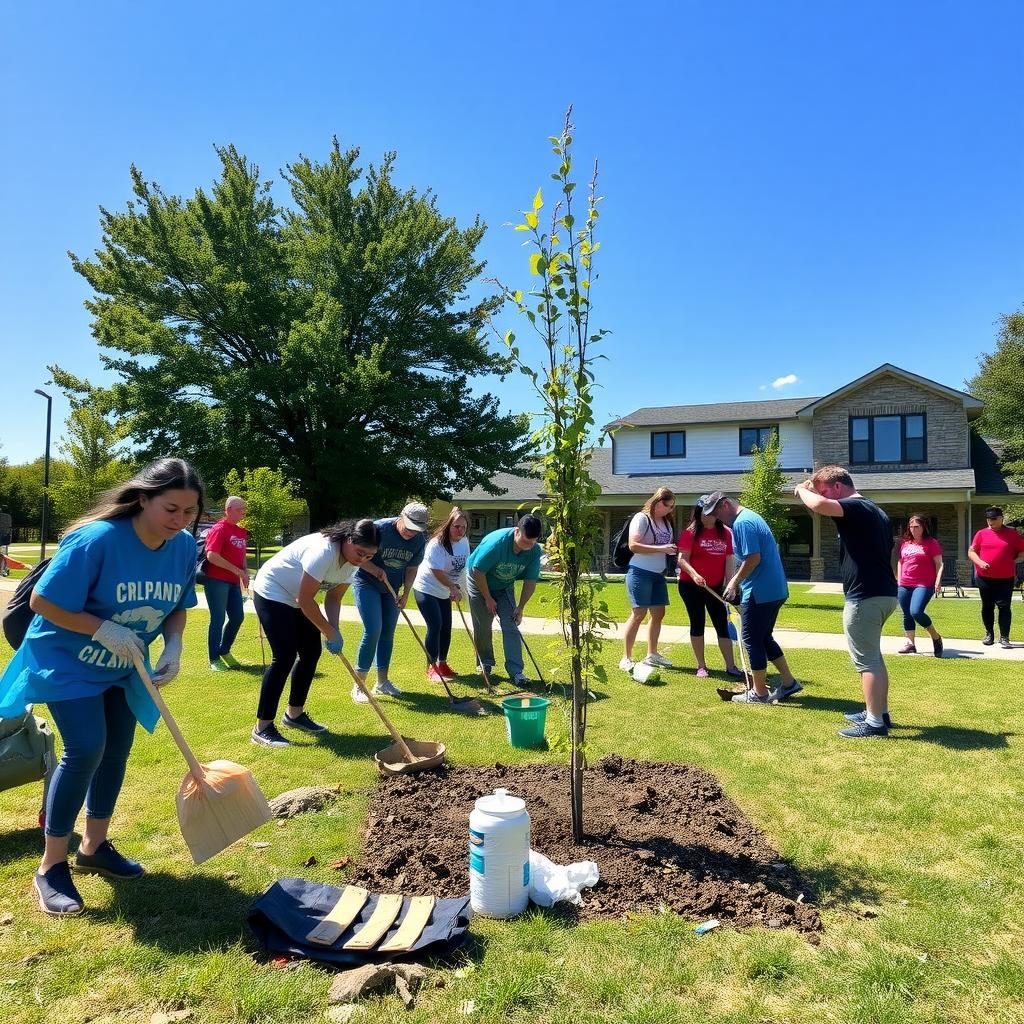
- Plant 50 trees in a local park.
- Engage 20 volunteers for a tutoring program.

Step 2: Build a Strong Team
You can’t do it alone. Recruit a core team of reliable people to share the workload. Look for volunteers with different skills—someone great at social media, another who’s good with logistics, and maybe a local leader with community connections. During my book drive, our team included a teacher who knew the schools’ needs and a graphic designer who made eye-catching flyers. Assign clear roles, like:
| Role | Responsibilities |
|---|---|
| Coordinator | Oversees the event, manages timeline |
| Outreach Lead | Promotes the event, recruits volunteers |
| Logistics Lead | Handles supplies, permits, and setup |
Regular check-ins keep everyone on track.
Step 3: Choose the Right Project
Pick a project that matches your community’s needs and your team’s resources. Research local issues—maybe your town needs a food pantry restock or a youth mentorship program. Check with local nonprofits or government agencies for ideas. The United Way offers resources for identifying community needs. When I chose the book drive, I learned our schools lacked diverse reading materials, which guided our focus. Make sure your project is realistic—don’t aim to rebuild a community center if you only have 10 volunteers.
Step 4: Plan the Logistics
Logistics can make or break your event. Start early and cover these bases:
- Location: Secure a venue, like a park or community center. Get permits if needed—check with your local government.
- Date and Time: Pick a time that works for most people, like a Saturday morning.
- Supplies: List everything you need, from trash bags to snacks for volunteers.
- Budget: Estimate costs and seek donations or sponsorships. Local businesses often support community efforts.
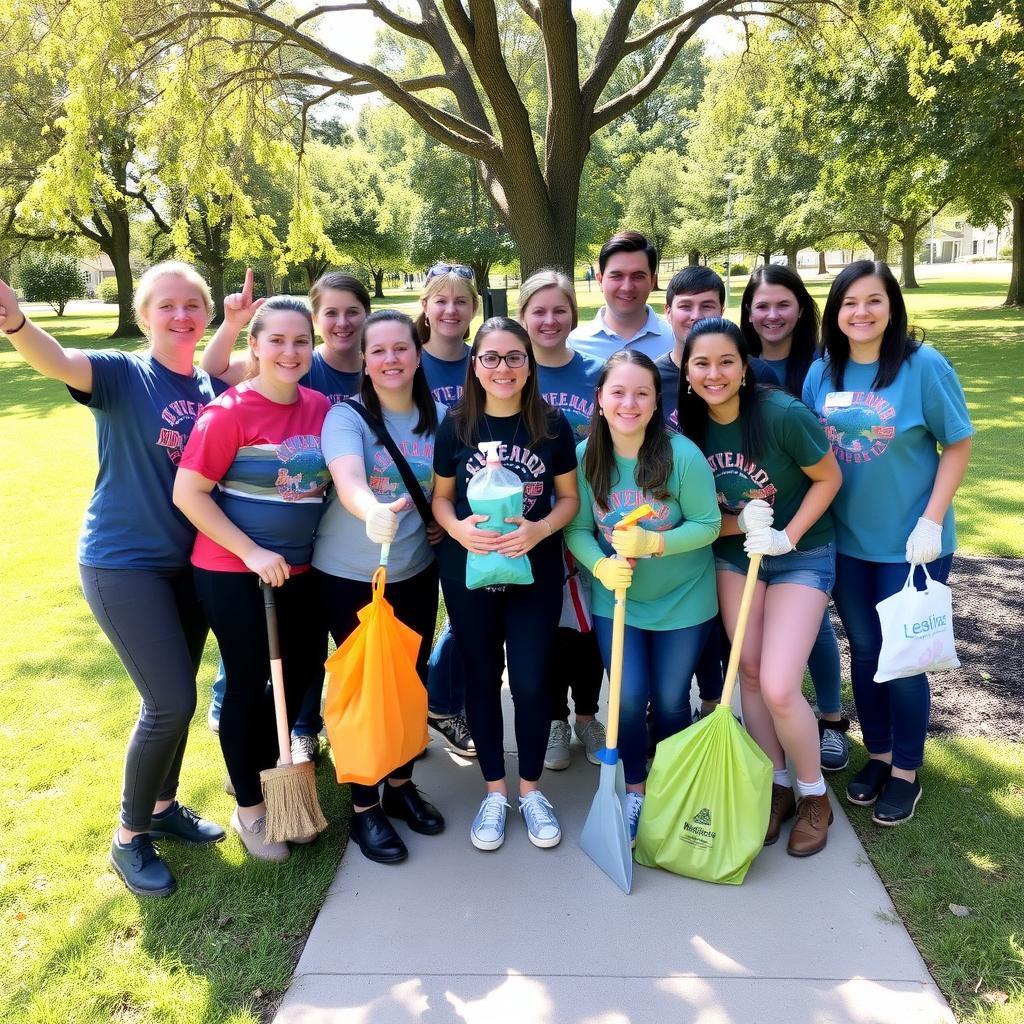
For our cleanup event, we partnered with a hardware store that donated gloves and tools. Create a timeline, like this:
- 6 weeks out: Finalize project and team.
- 4 weeks out: Promote event and secure supplies.
- 1 week out: Confirm volunteers and logistics.
- Day of: Set up early and brief volunteers.
Step 5: Recruit and Motivate Volunteers
Volunteers are the heart of your event. Spread the word through social media, local newsletters, and community boards. I found that personal invites worked best—people are more likely to join if you ask them directly. Share why the event matters. For example, we told volunteers that each book donated would help a child discover reading. Offer incentives like t-shirts or snacks, and make it fun—play music or host a post-event gathering. The Points of Light Foundation has great tips on engaging volunteers effectively.
Step 6: Promote Your Event
Get the word out early. Use free tools like social media, local radio, or community calendars. Create simple flyers with key details: what, when, where, and why. For our cleanup, we posted on neighborhood Facebook groups and got 30 sign-ups in a week. Partner with local schools, churches, or businesses to amplify your reach. Highlight the impact—people want to know their time will make a difference. If you’re tech-savvy, use tools like Eventbrite for ticketing or Canva for free graphics.
Step 7: Execute the Event
On the day of, arrive early to set up. Brief your volunteers on their tasks and safety protocols. During our book drive, we had a quick huddle to assign roles and share the day’s schedule. Keep the energy high—thank volunteers often and check in with them. Have a backup plan for issues like bad weather or low turnout. For example, we moved our cleanup indoors when it rained, sorting donations instead. Capture the day with photos (with permission) to share later.
Step 8: Reflect and Follow Up
After the event, take time to reflect. Did you meet your goals? What worked well? What could be better? We surveyed volunteers after our book drive and learned they wanted more direction during setup, which we improved next time. Thank your team and volunteers with emails or handwritten notes. Share the impact—tell your community how many books were donated or how much trash was collected. This builds momentum for future events. According to Stanford University’s research, reflecting on service learning experiences deepens their impact.
Challenges to Watch For
Things don’t always go smoothly. Common hurdles include:
- Low Turnout: Over-promote and follow up with registered volunteers.
- Lack of Funds: Seek in-kind donations, like supplies or food.
- Burnout: Delegate tasks to avoid overwhelming yourself or your team.
When our cleanup faced low turnout, we called volunteers the day before to confirm, which boosted attendance. Stay flexible and keep a positive attitude.
Summary
Organizing a community service event is a rewarding way to make a difference. By setting clear goals, building a team, planning logistics, and engaging volunteers, you can create a memorable service learning experience. Use these steps to plan your event, learn from challenges, and celebrate your impact. With passion and preparation, your event can strengthen your community and inspire others to get involved.