Packing Tips for International Volunteers: Your Global Citizen Guide
Discover essential packing tips for international volunteers with this comprehensive guide. Learn how to pack smart for Volunteer Abroad Programs, from cultural considerations to must-have items, ensuring a rewarding experience as a global citizen.
5 min read
Overview
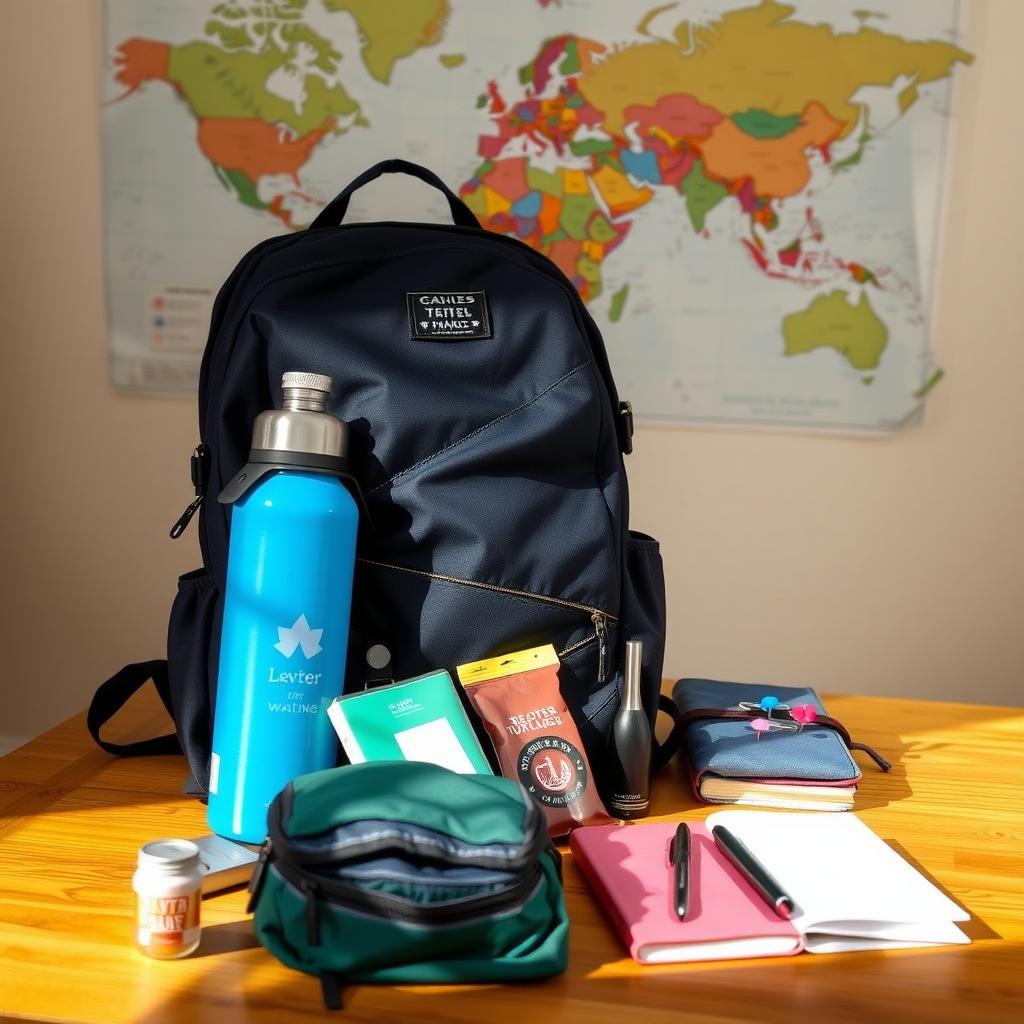
Packing for international volunteering is more than just filling a suitcase. It’s about preparing for a transformative journey as a global citizen. Whether you’re joining Volunteer Abroad Programs or aiming to volunteer abroad and learn a language, smart packing ensures you’re ready for cultural immersion, meaningful work, and unexpected challenges. This guide shares practical tips drawn from real experiences to help you pack efficiently and travel confidently.
Why Packing Matters for International Volunteers
International volunteering is a unique blend of adventure, service, and cultural exchange. Packing thoughtfully can make or break your experience. A well-packed bag supports your work, respects local customs, and prepares you for diverse environments. From teaching English in Thailand to supporting conservation in Costa Rica, your packing choices impact your ability to connect with communities and thrive abroad.
I’ve volunteered in Peru and Ghana, and each trip taught me something new about packing. In Peru, I underestimated the cold Andean nights and wished for a warmer jacket. In Ghana, I overpacked gadgets, only to find limited electricity. These lessons shaped this guide to help you avoid similar mistakes.
Start with Research: Know Your Destination
Before packing, research your destination. Climate, culture, and project requirements vary widely. For example, Volunteer Abroad Programs like International Volunteer HQ (IVHQ) provide detailed assignment descriptions. Check these for specific needs, like sturdy shoes for construction or modest clothing for teaching. Also, look into local customs. In some cultures, covering shoulders and knees is a sign of respect, especially in rural areas.
Weather is another key factor. Tropical climates like Cambodia’s require lightweight, breathable fabrics, while high-altitude regions like Nepal demand layers. Check historical weather data on sites like NOAA’s Climate Information to plan for seasonal shifts. Knowing these details helps you pack versatile, appropriate gear.

Essential Packing List for International Volunteers
Here’s a streamlined packing list tailored for international volunteering. Adjust based on your program and destination:
Clothing
- Versatile Layers: Pack lightweight tops, long-sleeve shirts, and a fleece or jacket for variable weather.
- Modest Attire: Include long pants or skirts and tops that cover shoulders for cultural sensitivity.
- Durable Footwear: Sturdy sneakers or hiking boots for fieldwork; sandals for casual settings.
- Rain Gear: A compact rain jacket or poncho for sudden downpours.
Travel Essentials
- Reusable Water Bottle: Stay hydrated and reduce plastic waste.
- Travel Adapter: A universal adapter for charging devices abroad.
- First-Aid Kit: Bandages, antiseptic wipes, and personal medications.
- Documents: Passport, visa, travel insurance, and program details (physical and digital copies).
Volunteer-Specific Items
- Notebook and Pens: For journaling, lesson planning, or project notes.
- Small Gifts: Postcards or trinkets from home to share with locals.
- Work Gloves: Useful for construction or conservation projects.
Optional Extras
- Language Phrasebook: Ideal if you’re aiming to volunteer abroad and learn a language.
- Solar Charger: For areas with unreliable electricity.
This list balances necessity and minimalism. Aim for a bag under 40 liters to stay mobile.
Packing Smart: Tips for Efficiency
Packing light is crucial for international volunteers. You’ll likely move between locations, and heavy luggage can slow you down. Here are strategies to pack smarter:
- Use Packing Cubes: Organize clothes and gear to maximize space.
- Choose Multi-Use Items: A sarong can be a scarf, towel, or blanket.
- Limit Electronics: A smartphone with offline apps often suffices over multiple gadgets.
- Pack for Laundry: Bring quick-dry clothes and a small detergent packet for hand-washing.
In Tanzania, I learned to pack clothes I could wash in a bucket. It saved space and kept me prepared for limited laundry facilities.
Cultural Sensitivity in Packing
Respecting local culture is a cornerstone of international volunteering. Your clothing and behavior reflect your role as a global citizen. Research dress codes through resources like Projects Abroad’s Cultural Guides. For example, in conservative regions like rural India, avoid revealing clothing to build trust with communities. Pack neutral colors and avoid flashy logos that might signal wealth disparities.
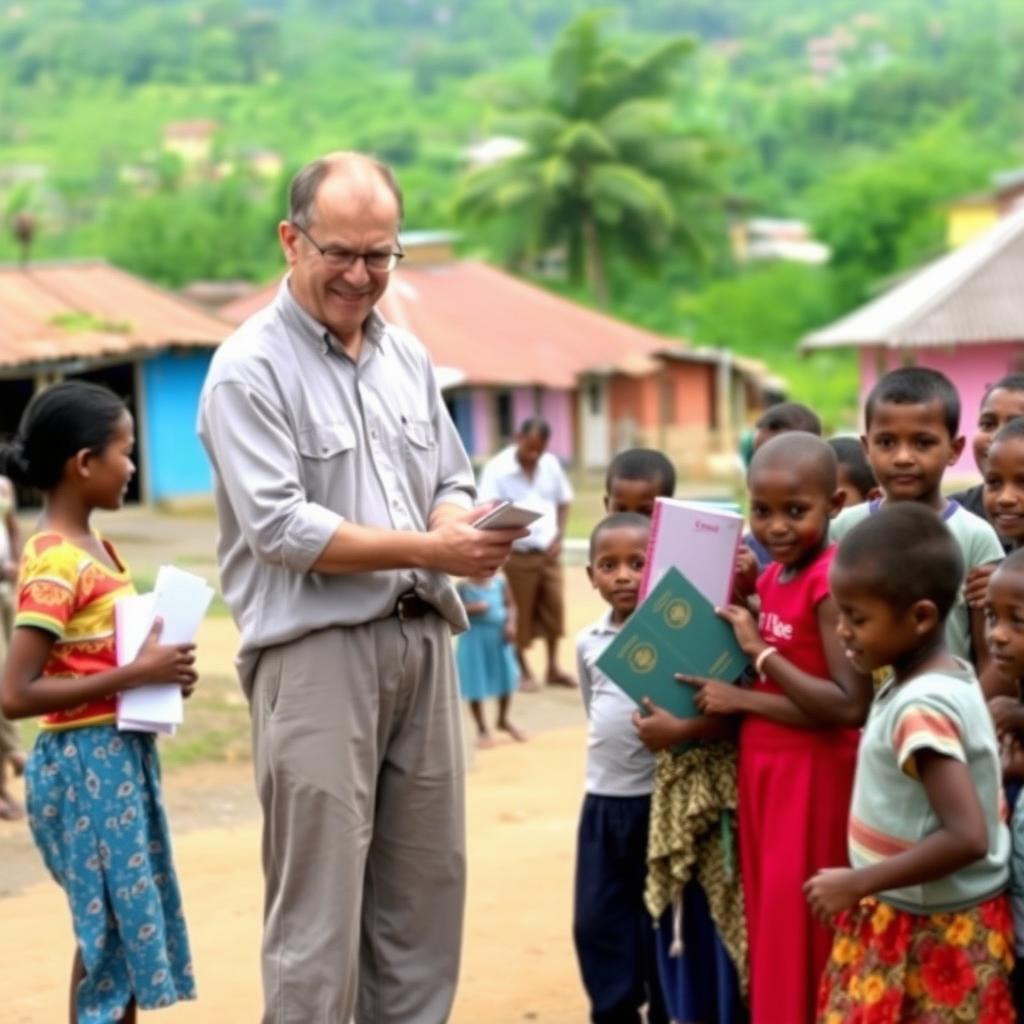
Small gestures matter too. In Nepal, I brought photos of my family to share with locals, sparking conversations and connections. These thoughtful items show respect and openness, enhancing your volunteer experience.
Health and Safety Considerations
Health precautions are vital when volunteering abroad. Pack a basic first-aid kit and any prescription medications, ensuring you have enough for the entire trip. The CDC’s Traveler’s Health Guide offers destination-specific health advice, like malaria prophylaxis for sub-Saharan Africa. Include insect repellent and sunscreen for outdoor projects.
Safety also means securing your belongings. Use a money belt or hidden pouch for cash and documents. In crowded markets in Cambodia, I kept my passport in a zipped inner pocket, which gave me peace of mind. Also, pack a small lock for hostel lockers or shared accommodations.
Preparing for Your Volunteer Role
Your packing should align with your volunteer role. For example, teaching English requires notebooks, markers, and visual aids. Conservation projects might need durable gloves and a hat for sun protection. Check with your program, like Global Volunteers, for role-specific gear. They often provide checklists tailored to their projects.
If you’re joining a program to volunteer abroad and learn a language, pack a pocket dictionary or download a language app like Duolingo. Practicing basic phrases before departure shows respect and eases communication.
Managing Expectations: Less Is More
Overpacking is a common mistake. You don’t need every comfort from home. In Peru, I brought too many snacks, only to discover local markets offered fresh, affordable food. Focus on essentials and leave room for souvenirs or local purchases. A half-empty bag also makes it easier to carry donations, like school supplies for your project.
Practical Tips for Travel Day
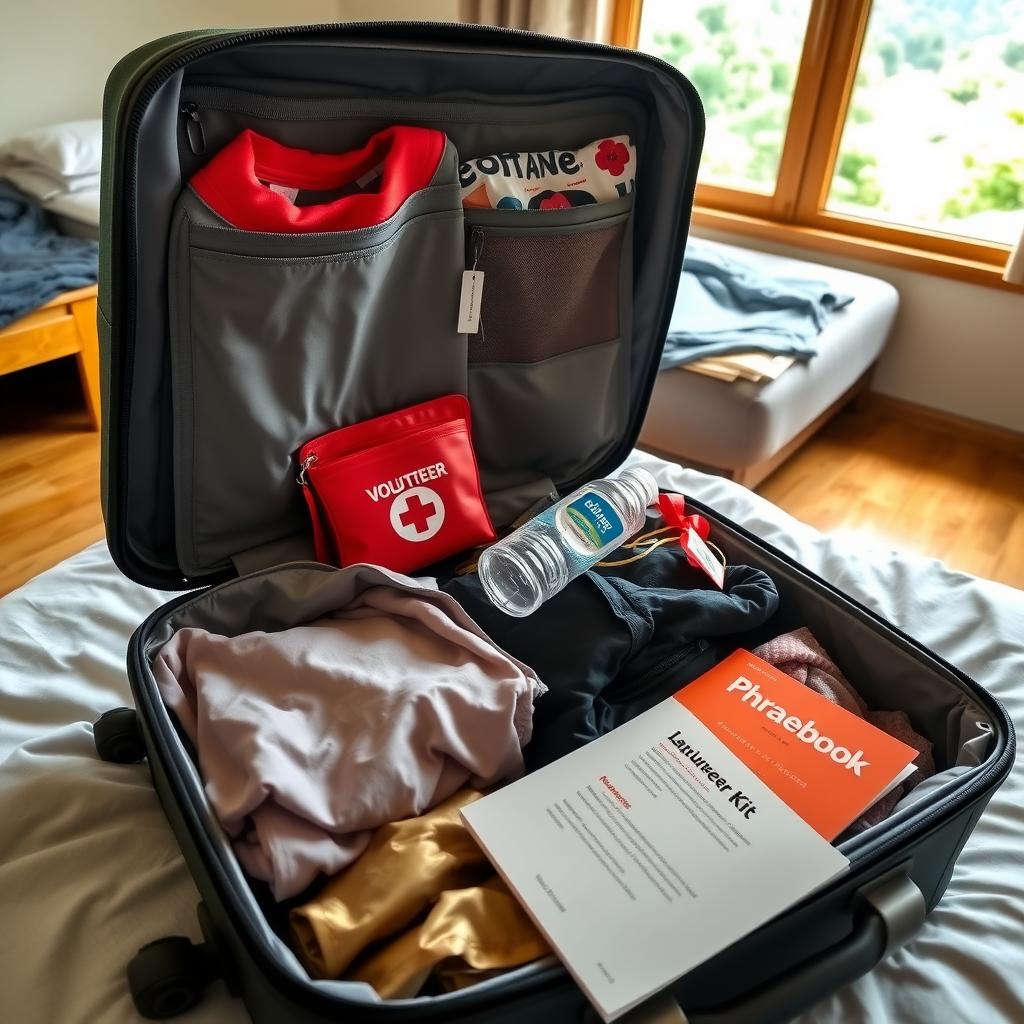
Travel day can be hectic, so plan ahead. Wear your bulkiest items, like boots or a jacket, to save suitcase space. Keep essentials—passport, phone, charger, and medications—in a carry-on. I once lost my checked bag in transit to South Africa, but my carry-on had enough to get by for days.
Double-check visa and vaccination requirements before departure. Some countries require proof of vaccinations, like yellow fever, at the border. Keep digital backups of documents on a secure cloud service.
Budget-Friendly Packing Hacks
Volunteering abroad often means tight budgets. Save money with these hacks:
| Item | Budget Hack |
|---|---|
| Clothing | Shop thrift stores for durable, modest pieces. |
| Gear | Borrow items like backpacks or sleeping bags from friends. |
| Toiletries | Use travel-sized containers and refill locally. |
These tips stretch your funds, leaving more for experiences or donations to your host community.
Final Thoughts
Packing for international volunteering is about preparation, respect, and adaptability. By packing light, respecting local customs, and aligning your gear with your role, you’ll set yourself up for a meaningful experience. As a global citizen, your journey starts with a well-packed bag and an open heart. Use these tips to travel confidently and make a lasting impact.