Peace Corps: Cross-Cultural Training Guide - https://www.peacecorps.gov
Discover the essential cross-cultural training that prepares Peace Corps volunteers for successful international volunteering. Learn practical tips on cultural etiquette, language acquisition, and building meaningful connections abroad.
2 min read
Overview
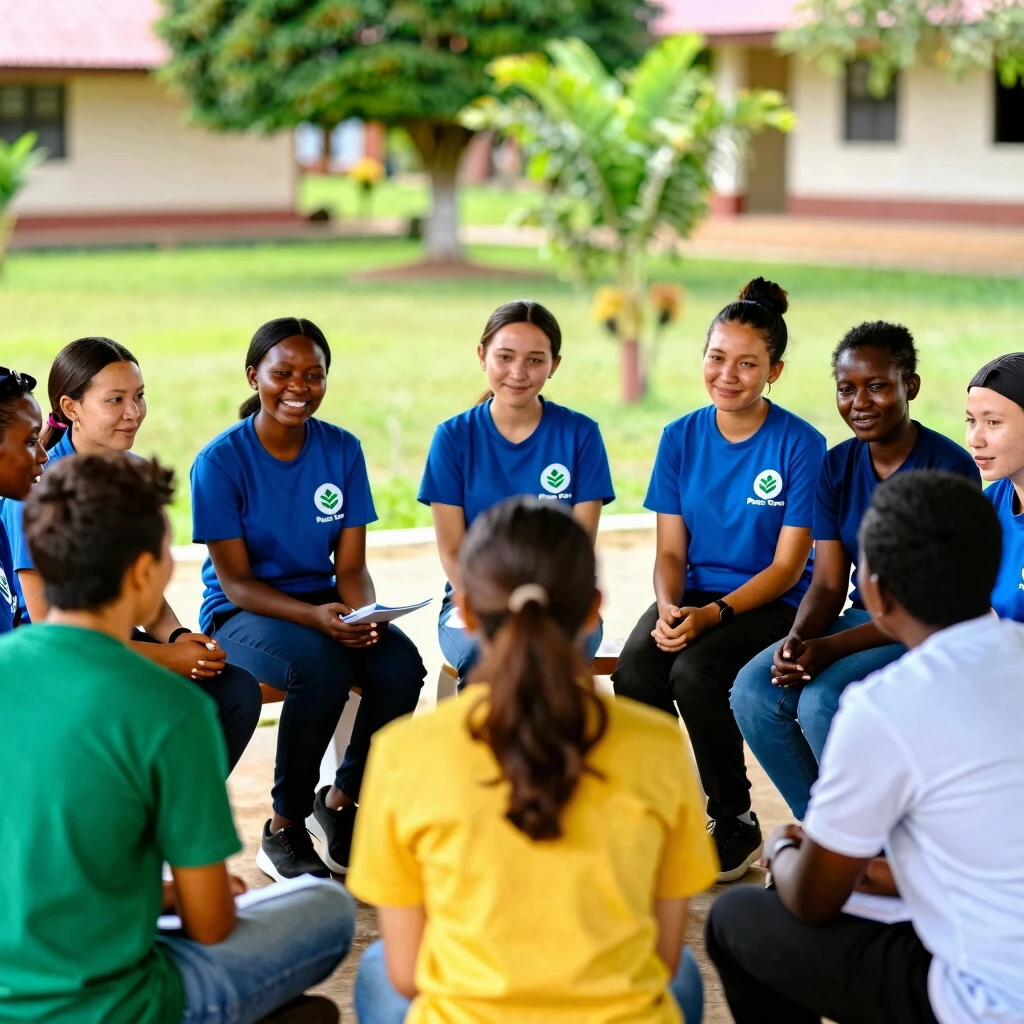
The Peace Corps equips volunteers with vital cross-cultural training to thrive in diverse communities worldwide. This guide, inspired by official resources like Culture Matters from https://www.peacecorps.gov, helps you navigate cultural differences and make a real impact through international volunteering.

If you're considering volunteering abroad, the Peace Corps stands out as a premier opportunity. Volunteers commit to 27 months of service, including three months of intensive pre-service training. Cross-cultural training forms the heart of this preparation.
The iconic resource is Culture Matters: The Peace Corps Cross-Cultural Workbook. Available through https://www.peacecorps.gov, this workbook guides volunteers in understanding cultural nuances. It uses exercises, stories from past volunteers, and expert insights to build awareness.
Why Cross-Cultural Training Matters
Culture shapes how people see the world. Without training, simple actions can cause misunderstandings. The Peace Corps trains volunteers to adapt, respect local customs, and work effectively.
Training covers: - Direct vs. indirect communication styles - Views on time, hierarchy, and relationships - American cultural values compared to host country norms
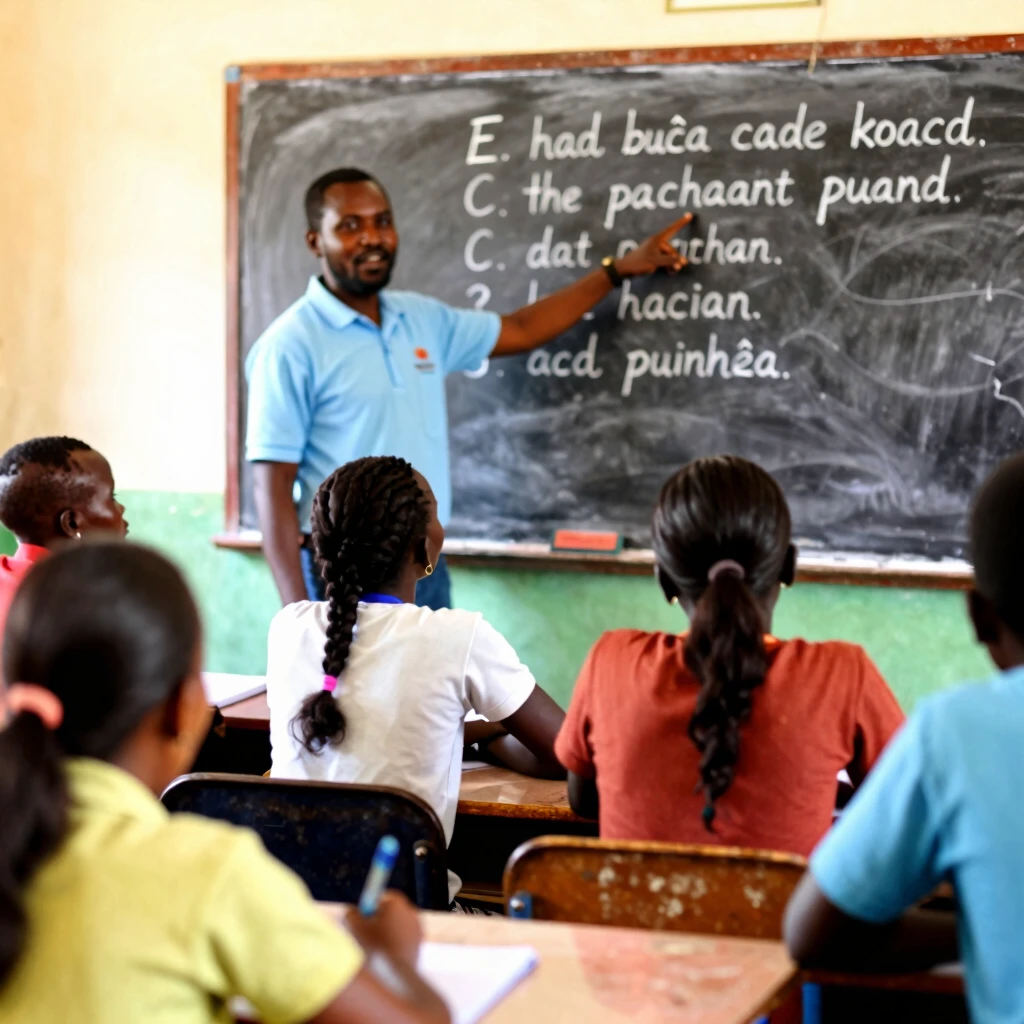
Volunteers often volunteer abroad and learn a language intensively. Language training runs 3-4 hours daily during pre-service training. Mastering basics opens doors to deeper connections.
One returned volunteer shared: 'Learning the local language turned strangers into friends. Simple greetings sparked conversations that built trust.'
Tips for language success: - Practice daily with host families - Use flashcards for vocabulary - Immerse yourself—listen to local radio or songs
Cultural Etiquette for Volunteers
Respecting local etiquette shows humility and earns acceptance. Key areas include:
| Area | Common Tip | Why It Matters |
|---|---|---|
| Greetings | Use local handshakes or bows | Builds immediate rapport |
| Dress | Dress conservatively | Aligns with community norms |
| Gestures | Avoid pointing with feet in some cultures | Prevents unintended offense |
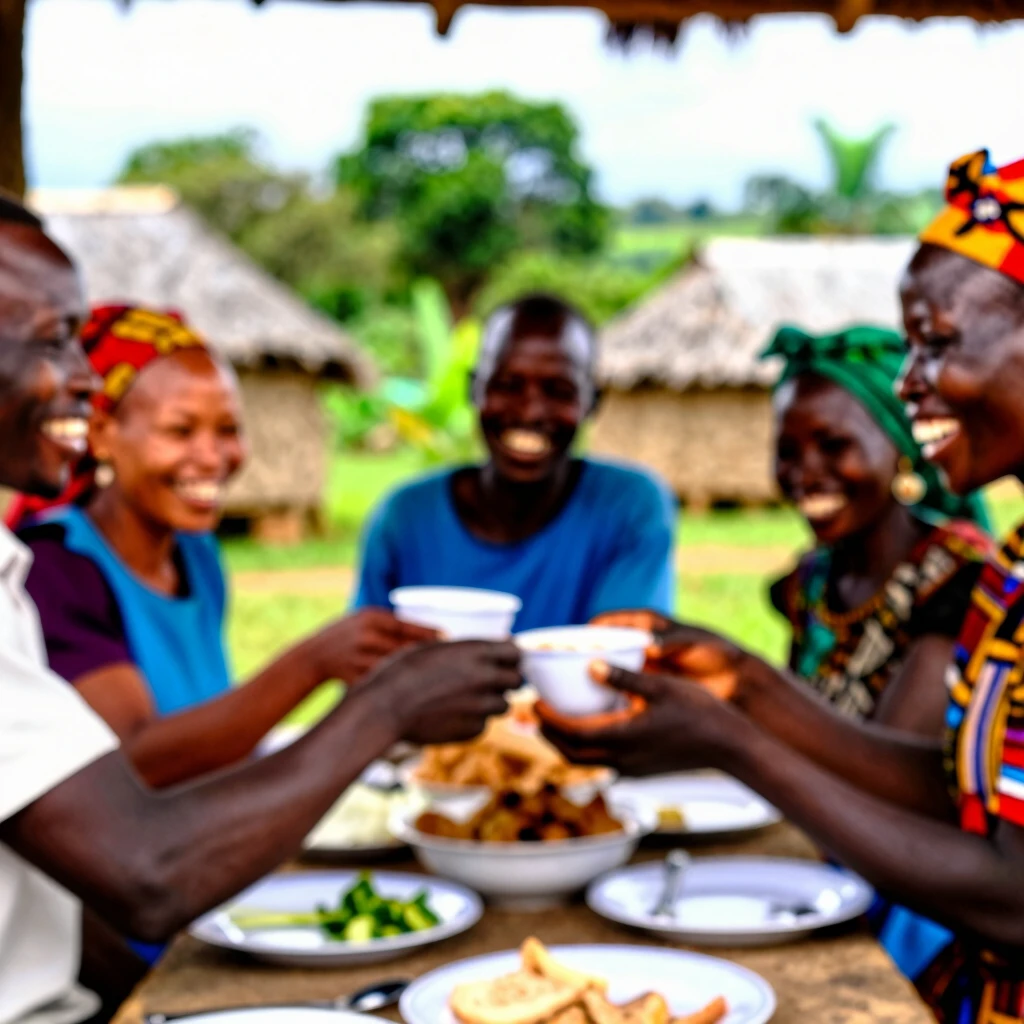
| Meals | Accept offered food graciously | Symbolizes hospitality |
Adapt your behavior. Observe locals first, then follow their lead.
Personal insights from volunteers highlight challenges and rewards. One volunteer in Africa noted frustration when indirect communication led to delays. Through training, they learned patience and reading between lines.
Another in Asia struggled with hierarchy but gained respect by consulting elders first.
International volunteering demands flexibility. Embrace differences: - View mistakes as learning opportunities - Journal your experiences - Seek feedback from counterparts
These habits foster growth and stronger community ties.
Integrating into Your Community
Live at the local level. Share meals, join festivals, and listen more than speak initially. This builds authentic relationships.
Volunteers report that full immersion leads to profound personal growth. You return home with new perspectives on your own culture.
The Peace Corps prepares you thoroughly. Training includes safety, health, and technical skills alongside cross-cultural components.
If you're ready to volunteer and make a difference, explore opportunities at https://www.peacecorps.gov.
Final Thoughts
Cross-cultural training transforms good intentions into lasting impact. It equips you to navigate differences with respect and empathy. Whether you're drawn to volunteer abroad and learn a language or practice cultural etiquette for volunteers, the Peace Corps offers an unparalleled path.
Embrace the journey—it changes lives, starting with your own.