The Power of Service Learning in Modern Classrooms
Discover how service learning transforms education by combining academic learning with community service. Explore benefits, real examples, and practical tips for why civic engagement is vital for students today.
4 min read
Overview
Service learning blends classroom lessons with hands-on community work. It helps students learn better while making a real difference. In today's world, The Power of Service Learning in Modern Classrooms shines brighter than ever as it builds skills, empathy, and responsibility. This approach turns students into active citizens who care about their communities.
What Is Service Learning?
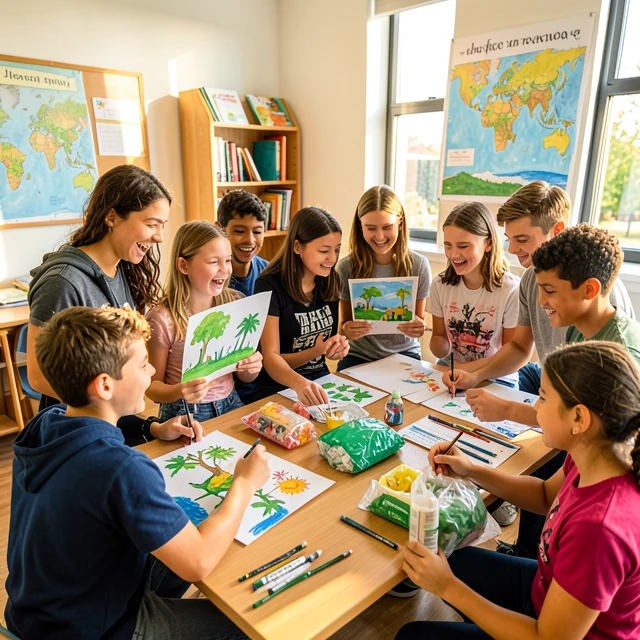
Service learning is more than just volunteer work. It connects academic subjects to real community needs. Students apply what they learn in class to solve problems outside school walls. Then they reflect on their experiences to deepen their understanding.
Unlike regular volunteering, service learning ties directly to the curriculum. A biology class might test local water quality and present findings to city officials. A history class could interview veterans and create a school exhibit. These service learning experiences in education make lessons stick.
Teachers report that students stay more engaged when their work matters to others. Kids see the purpose behind math problems or writing assignments. This connection boosts motivation and improves retention of knowledge.
Why Civic Engagement Is Vital for Students
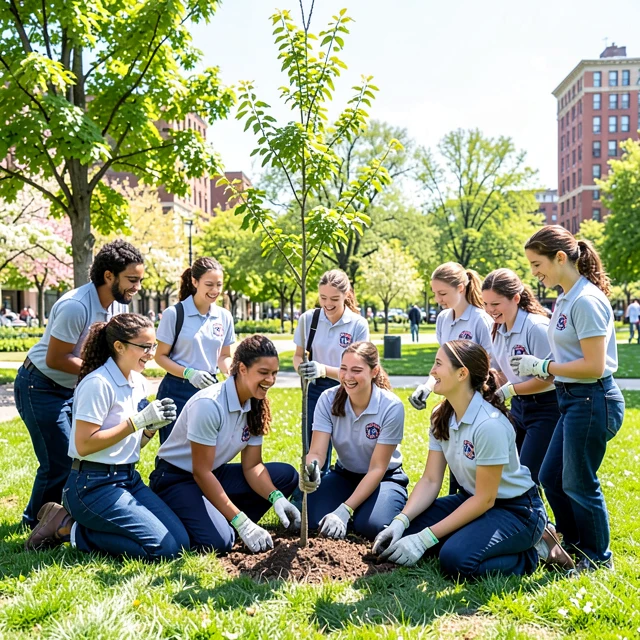
Why Civic Engagement is Vital for Students goes beyond good citizenship. Young people today face complex challenges like climate change, inequality, and political division. Service learning prepares them to tackle these issues with confidence and compassion.
Research shows clear benefits. According to a meta-analysis of service-learning programs, students in well-designed programs show gains in academic performance, civic engagement, and social skills. Effect sizes ranged from 0.27 to 0.43 across key areas.
Students develop stronger problem-solving abilities. They learn to work in teams and communicate with adults. Most importantly, they build a sense of agency – the belief that their actions can create positive change.
Key Benefits of Service Learning
- Academic Growth: Students often earn better grades and understand concepts more deeply.
- Personal Development: Increased self-confidence and leadership skills.
- Social Skills: Better empathy and ability to work with diverse groups.
- Civic Responsibility: Higher likelihood of voting and volunteering as adults.
- Career Readiness: Real-world experience that looks great on college applications and resumes.
I once spoke with a teacher whose students cleaned up a polluted stream as part of their science unit. Not only did test scores rise, but several students later pursued environmental studies in college. The experience changed their life paths.
Service Learning Experiences in Education: Real Examples
Effective service learning projects share common traits. They address genuine community needs, link tightly to academic goals, and include structured reflection.
In one middle school, students learned about nutrition in health class. They then designed and ran a garden at a local food bank. Kids studied plant biology while harvesting fresh vegetables for families in need. They reflected through journals and presentations.
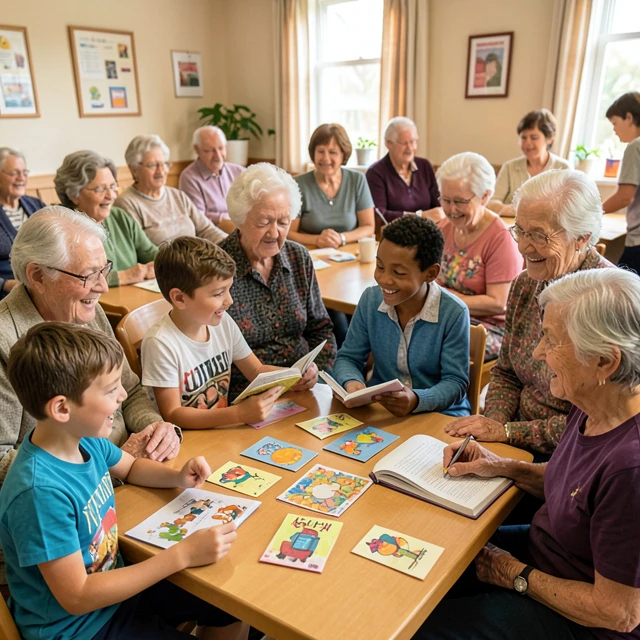
High schools often partner with nonprofits. History students might help at a museum while researching local events. English classes can write stories for senior citizens or create bilingual books for immigrant families.
According to the Wisconsin Department of Public Instruction, service-learning develops critical thinking, workplace skills, and positive changes in school culture. It connects learning to authentic purposes that students value.
Schools with strong programs report fewer behavior issues and higher attendance. Students feel more connected to their school and community.
How to Implement Service Learning Successfully
Start small. Choose projects that match your students' ages and interests. Partner with local organizations that have clear needs.
Steps for Teachers:
- Identify curriculum connections.
- Meet with community partners to define needs.
- Plan the project with student input.
- Prepare students with background knowledge.
- Carry out the service.
- Guide reflection through discussions, writing, or presentations.
- Celebrate achievements and evaluate results.
Reflection is the magic ingredient. Ask questions like: What did you learn about yourself? How does this connect to our class topic? What would you do differently next time?
Parents and administrators often become strong supporters once they see the results. Share student stories and photos (with permission) to build excitement.
Challenges and Solutions
Time constraints top the list of obstacles. Work service learning into existing units rather than adding extra activities. Many schools now use block scheduling or project-based learning periods.
Safety and logistics require planning. Background checks, transportation, and permissions take effort but become routine. Start with on-campus or virtual projects if needed.
Not every student embraces the idea at first. Connect projects to their personal interests. A gaming club might design educational apps for younger kids. An art class could create murals for a shelter.
Quality matters more than quantity. Poorly planned experiences can frustrate everyone. Focus on meaningful partnerships and clear learning objectives.
The Long-Term Impact
Students who participate in service learning often continue giving back as adults. They develop habits of civic engagement that last a lifetime. Communities benefit from fresh energy and innovative ideas from young people.
In our rapidly changing world, education must prepare students for more than tests. The Power of Service Learning in Modern Classrooms lies in creating thoughtful, capable citizens ready to lead and serve.
As one principal told me, 'We don't just teach kids facts anymore. We help them become the kind of people who improve the world around them.' Service learning makes that possible.
Summary
Service learning combines powerful academics with meaningful action. It boosts learning, builds character, and strengthens communities. By embracing service learning experiences in education, schools prepare students for success in college, careers, and life as active citizens.
The evidence is clear, the benefits are real, and the time is now. Every classroom has the potential to harness The Power of Service Learning in Modern Classrooms.