The Power of Service Learning: How Students Are Changing Communities
Discover how service learning combines education with real-world impact. Explore inspiring stories, practical benefits, and ways students are transforming local communities through meaningful volunteer work.
4 min read
Service learning connects classroom lessons with hands-on volunteer work in local communities. Students gain valuable skills while making a real difference. This approach creates stronger neighborhoods and more engaged young people. In this article, we explore the power of service learning and how it changes lives for the better.
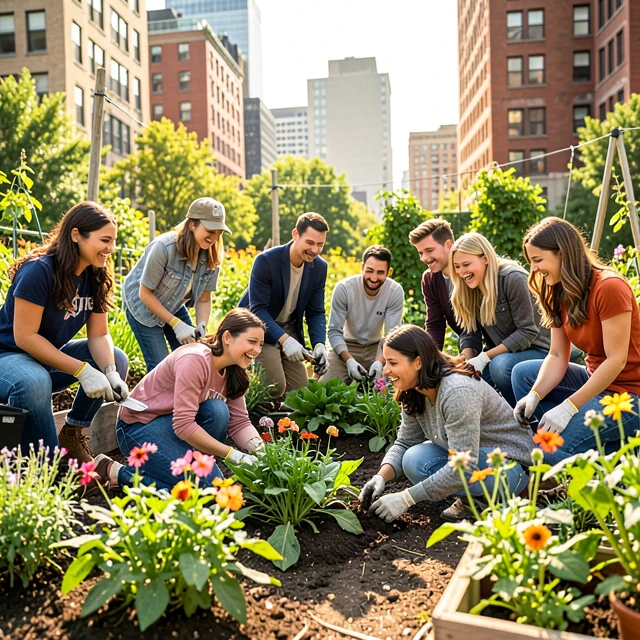
Service learning is more than just volunteer work. It combines academic study with community service. Students apply what they learn in class to solve real problems. For example, biology students might test water quality in a local river while learning about ecosystems.
This method helps students see the direct connection between their studies and the world around them. They develop critical thinking, empathy, and leadership skills that textbooks alone cannot teach.
The impact of volunteer work on local communities is profound. When students get involved, they bring fresh energy and new ideas. They help clean parks, tutor younger kids, organize food drives, and support elderly neighbors. These efforts strengthen social bonds and improve quality of life for everyone involved.
What Makes Service Learning Special
Unlike regular volunteering, service learning includes reflection and learning goals. Students think about their experiences and connect them to their studies. This creates deeper understanding and lasting change.
Many schools and universities now offer service learning opportunities in local communities. These programs range from short projects to full semester courses.
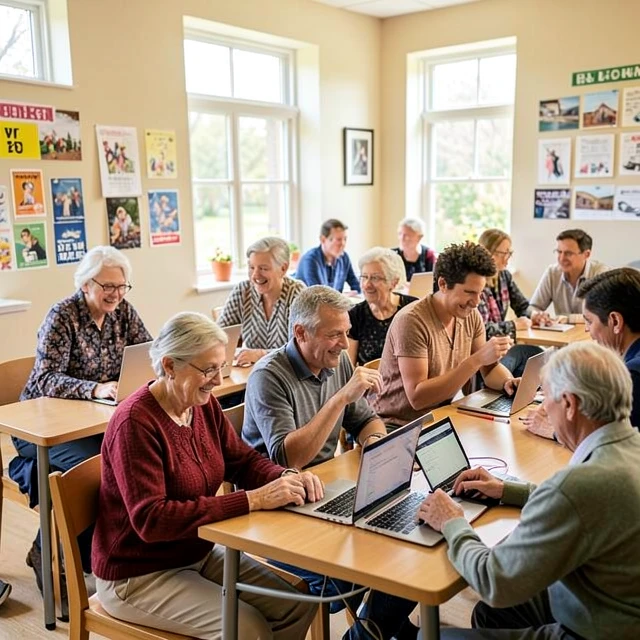
One high school student I spoke with shared her experience. Sarah joined a service learning project to build community gardens in low-income neighborhoods. She learned about nutrition, environmental science, and project management. More importantly, she saw families gain access to fresh produce.
"I never thought my science class could help people eat better," Sarah said. "Now I understand why learning matters."
Universities report similar success stories. College students tutoring in after-school programs improve their own communication skills while helping children succeed academically. Engineering students design wheelchair ramps for accessible buildings. Business students help local nonprofits with marketing plans.
Key Benefits for Students
- Real-world skills: Students practice teamwork, problem-solving, and communication.
- Career preparation: Employers value hands-on experience and community involvement.
- Personal growth: Many develop greater confidence and sense of purpose.
- Academic improvement: Connecting theory to practice often boosts grades and motivation.
- Empathy development: Working with different people builds understanding and compassion.
Research supports these benefits. Studies show students in service learning programs often perform better academically and are more likely to graduate. They also tend to continue volunteering after their programs end.
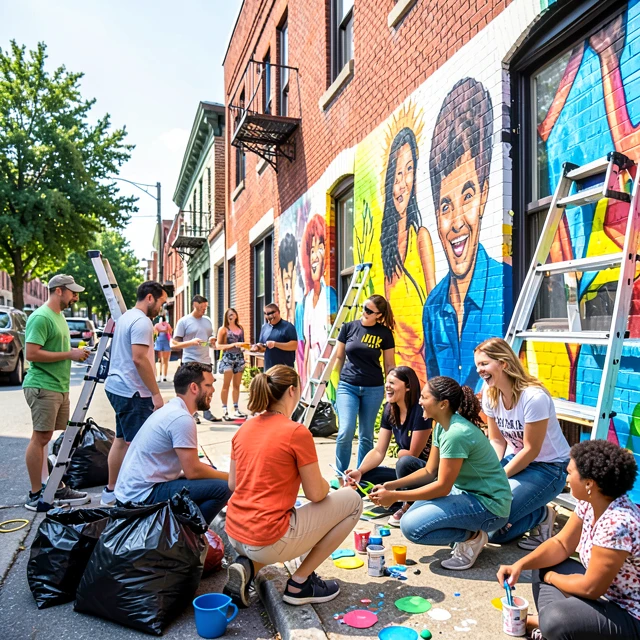
Impact of Volunteer Work on Local Communities
Communities gain immediate help from student projects. But the long-term effects go deeper. Students often inspire others to get involved. A single park cleanup can lead to ongoing maintenance groups.
Local organizations benefit from fresh perspectives and extra hands. Many nonprofits operate with limited staff and budgets. Service learning brings reliable support and innovative solutions to their challenges.
Consider these real examples:
-
Environmental science students restored a polluted stream, improving water quality and wildlife habitat.
-
Education majors created reading programs that boosted literacy rates in underserved areas.
-
Health students ran nutrition workshops that helped families make healthier food choices.
These projects address important local needs while giving students meaningful experiences.
Getting Started with Service Learning
Finding the right opportunity is easier than you might think. Start by talking to your school counselor or college service office. Many organizations post needs online. Local libraries, food banks, animal shelters, and environmental groups often welcome student help.
When choosing a project, think about your interests and skills. Passion makes the work more rewarding. Set clear goals for what you want to learn and achieve.
Successful service learning requires good planning. Students should prepare for their projects and reflect afterward. What worked well? What could improve? How did this experience change your view of the community?
Teachers and program leaders play important roles too. They help connect academic concepts to real experiences and guide meaningful reflection.
Overcoming Common Challenges
Time management can be tricky with busy student schedules. Start small and choose projects that fit your availability. Communication issues sometimes arise when working with different age groups or cultures. Patience and open-minded listening help bridge these gaps.
Remember that small efforts add up to big changes. Consistent involvement matters more than occasional large projects.
The power of service learning lies in its mutual benefits. Students grow as individuals while communities become stronger. This approach creates a cycle of positive change that continues long after the initial project ends.
As more schools adopt service learning, we can expect even greater impacts. Young people today want to make a difference. Service learning gives them the tools and opportunities to do exactly that.