The Power of Storytelling in Advocacy: Engaging Hearts and Minds
Discover how storytelling transforms advocacy by connecting emotionally with audiences and inspiring action. Learn practical steps to start your advocacy campaign using compelling narratives.
3 min read

Storytelling is a powerful tool in advocacy. It helps advocates reach people emotionally and spark action. This article dives into why storytelling matters in advocacy, how to create impactful stories, and ways to launch your own campaign. Expect personal insights and actionable tips ahead.

Why Storytelling Works in Advocacy
Stories do something facts can’t—they touch the heart. When someone shares a personal experience, it makes an issue feel real and urgent. In advocacy, this connection turns distant problems into something people care about.
Take climate change. Charts and numbers matter, but they can feel cold. Now imagine a farmer telling you how floods ruined his crops. Suddenly, it’s not just data—it’s a person’s life. That’s the power of storytelling in advocacy.
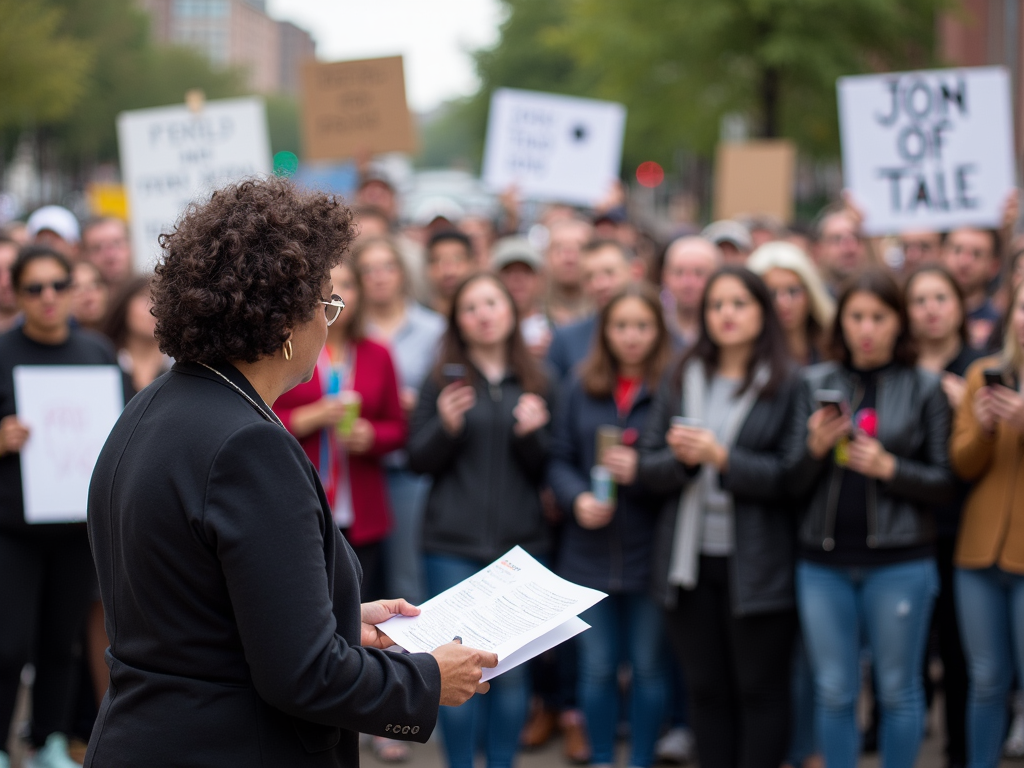
Stories also build bridges. They show different sides of an issue and bring people together. I once heard a woman at a town hall talk about losing her job due to healthcare costs. Her words hit me hard and pushed me to act. That’s when I saw how stories can change minds and rally support.

How to Tell a Great Advocacy Story
Good stories in advocacy come from the heart. They’re real, raw, and relatable. Here’s how to make yours stand out:
- Keep It Real: Share true feelings and experiences. People trust what’s honest.
- Focus on People: Show how the issue hits home for someone. It’s easier to care about a person than a statistic.
- Paint the Picture: Use details—like the sound of rain on a roof or the smell of a hospital room—to pull listeners in.
- Ask for Action: End with a clear step others can take, like signing a petition or showing up to an event.
A strong story doesn’t just inform—it moves people to do something.
Real Stories, Real Change
Look at the #MeToo movement. It exploded because survivors shared their stories. Each one showed how common harassment is, and together, they forced the world to listen. That’s storytelling driving advocacy.
Or think about the 'It Gets Better' project. LGBTQ+ folks shared their struggles and hope through videos. Those stories reached kids feeling alone and showed them a future worth fighting for. Both cases prove stories can shift culture and laws.

How to Start an Advocacy Campaign with Stories
Ready to launch your own advocacy campaign? Storytelling makes it easier. Here’s a simple plan:
- Pick Your Fight: Decide what you’re advocating for—like better schools or cleaner air.
- Find the Stories: Talk to people affected. Their experiences are your fuel.
- Shape the Narrative: Turn those experiences into stories that grab attention and show why change matters.
- Spread the Word: Share them online, at events, or in the news.
- Grow the Team: Ask others to add their stories and join in.
When I helped a friend push for safer parks, we started with a mom’s story about her kid’s injury. It got neighbors talking—and acting—fast.
Volunteers: The Storytellers of Advocacy
Volunteers bring advocacy to life. They’re often on the front lines, seeing the issue up close. Their stories can pull others in. Picture a volunteer at a shelter describing how a hot meal changed someone’s day. That kind of story sticks.
These voices show the power of pitching in. They remind us advocacy isn’t just big speeches—it’s everyday people making a difference.
Bringing It All Together
The power of storytelling in advocacy lies in its ability to make issues human. It turns strangers into allies and ideas into action. Whether you’re a volunteer or leading a charge, stories are your strength. Start small, be real, and watch your cause grow.
Try it yourself. Share a story, build your campaign, and see the ripple effect. Advocacy thrives when we listen and speak up together.