The Power of Storytelling in Advocacy Campaigns
Discover how storytelling drives advocacy campaigns, fosters social change, and builds community engagement. Learn actionable strategies to harness narratives, train volunteers, and start advocacy groups effectively.
4 min read
Overview
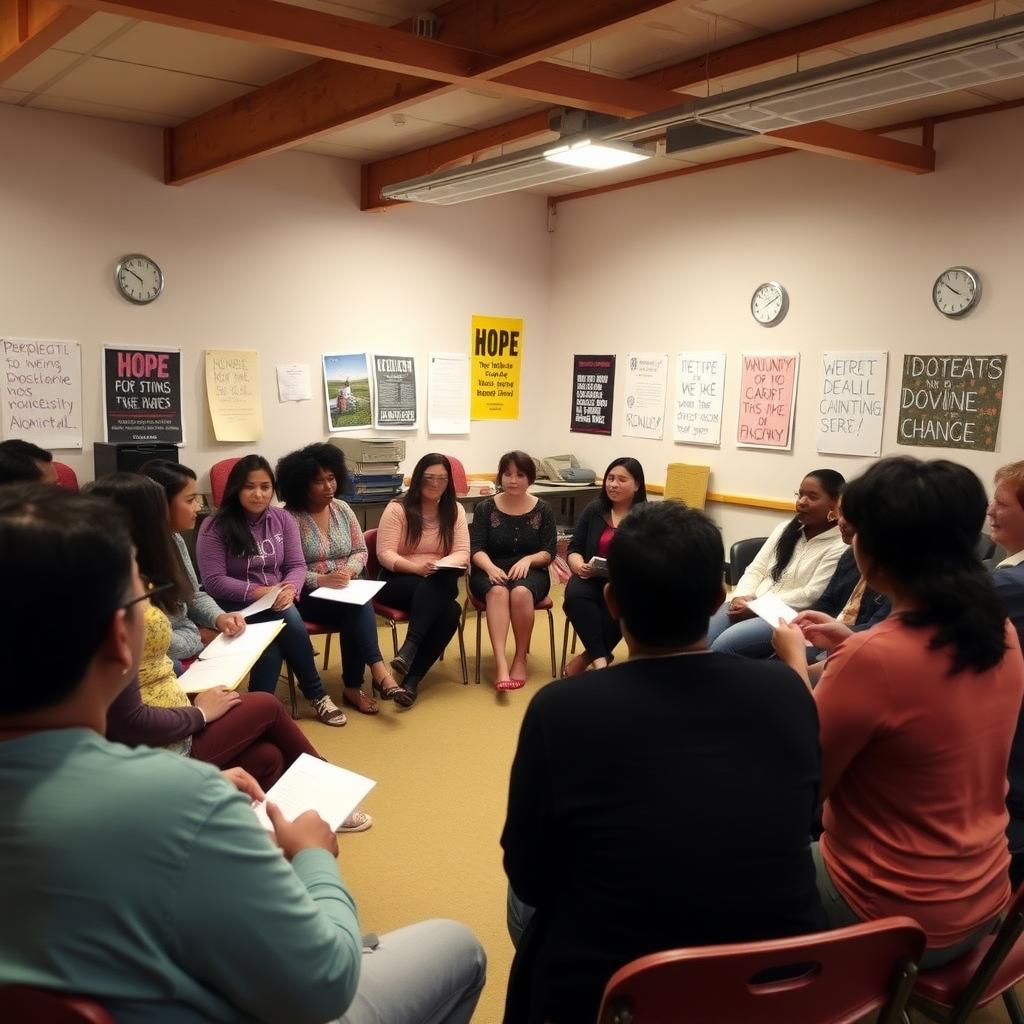
Stories have the power to change hearts and minds. In advocacy campaigns, storytelling transforms complex issues into relatable narratives, inspiring action and driving social change. This article explores The Power of Storytelling in Advocacy Campaigns, offering insights on crafting compelling stories, training volunteers, and launching community advocacy groups.
Why Storytelling Matters in Advocacy
Advocacy is about creating impact. Whether you're fighting for environmental justice, healthcare reform, or equality, The Power of Storytelling in Advocacy Campaigns lies in its ability to connect people emotionally. Facts and statistics inform, but stories persuade. They humanize issues, making them personal and urgent.
Consider a campaign for clean water. Data might show that 2.2 million people lack access to safe drinking water, as reported by the World Health Organization. But sharing a story about a single mother struggling to keep her children healthy without clean water? That sticks. It motivates people to donate, volunteer, or advocate.
Stories also build trust. When advocates share authentic experiences, audiences feel a sense of shared humanity. This connection is critical for Advocacy Strategies for Social Change. A well-told story can turn passive supporters into active participants, amplifying your campaign’s reach.

Crafting Compelling Advocacy Stories
Effective storytelling in advocacy isn’t about fiction—it’s about truth. Here’s how to craft stories that resonate:
- Start with the Why: Every story needs a purpose. Why does this issue matter? For example, an advocacy group fighting for affordable housing might share a story about a family facing eviction to highlight systemic issues.
- Focus on People: Center your story on individuals or communities affected by the issue. Avoid abstract concepts. A real person’s struggle makes the issue tangible.
- Keep it Simple: Use clear, concise language. Avoid jargon like 'systemic inequities'—instead, say 'unfair systems that hurt families.'
- Include a Call to Action: End with a clear next step. Ask readers to sign a petition, attend a rally, or share the story.
A great example comes from the Storytelling for Advocacy Toolkit by the Nonprofit Alliance. They emphasize that stories should be authentic, relatable, and tied to the campaign’s goals. For instance, a climate change campaign might share a farmer’s story about losing crops to drought, ending with a call to support renewable energy policies.
Volunteer Training for Advocacy Work
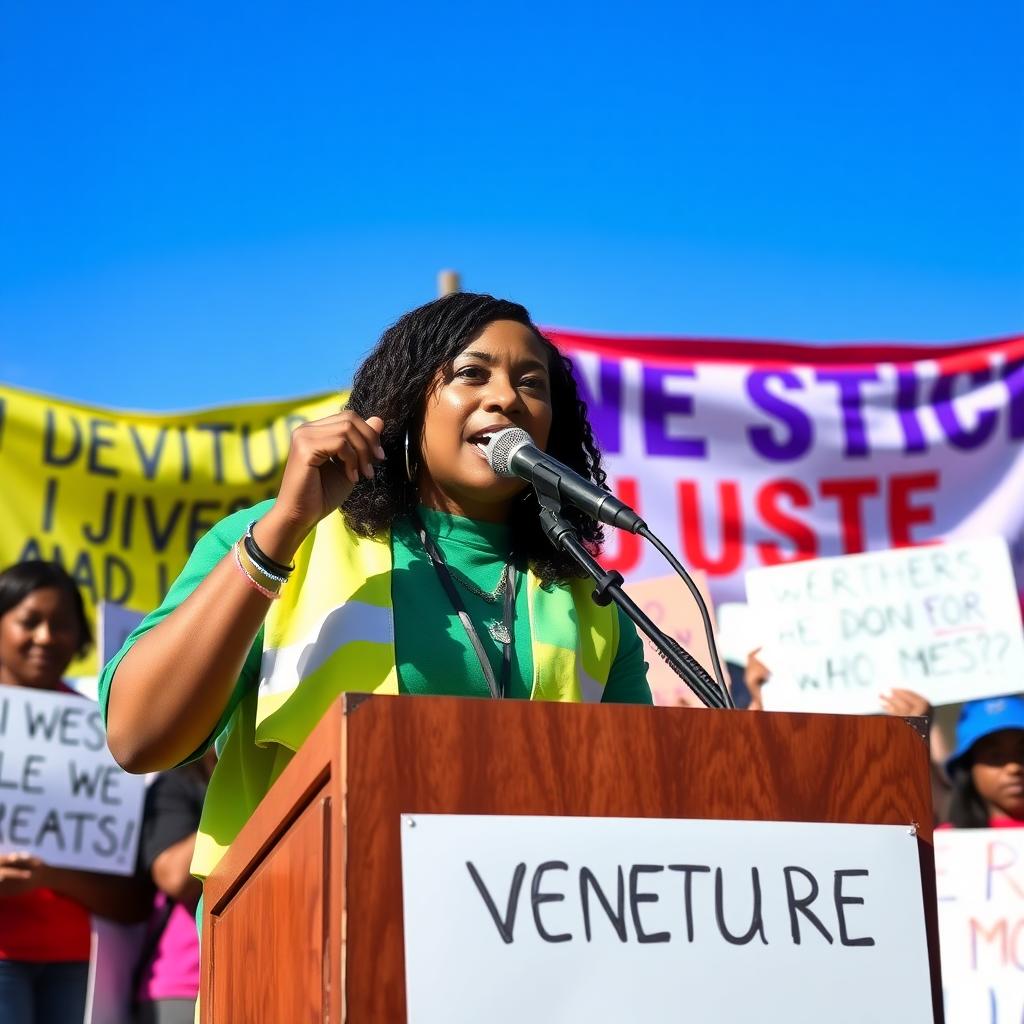
Volunteers are the backbone of advocacy campaigns, but they need training to tell stories effectively. Volunteer Training for Advocacy Work should include:
| Training Component | Description |
|---|---|
| Storytelling Workshops | Teach volunteers how to craft and share personal or community stories. Practice makes perfect. |
| Active Listening Skills | Volunteers must listen to community members to uncover authentic stories. |
| Ethical Storytelling | Ensure stories respect privacy and avoid exploitation. Always get consent from storytellers. |
| Public Speaking | Help volunteers confidently share stories at events or rallies. |
Training empowers volunteers to become storytellers themselves, amplifying your campaign’s message.
How to Start a Community Advocacy Group
Starting a community advocacy group can seem daunting, but storytelling makes it easier. Here’s a step-by-step guide to How to Start a Community Advocacy Group:
- Identify the Issue: Choose a cause that resonates with your community, like education access or mental health support.
- Build a Core Team: Recruit passionate individuals who believe in the cause. Diverse perspectives strengthen your group.
- Craft Your Story: Develop a narrative that explains why your group exists. For example, a group advocating for mental health might share stories of local families affected by inadequate services.
- Engage the Community: Host events to share stories and gather support. Use social media to amplify your message.
- Train Volunteers: Equip your team with storytelling and advocacy skills, as outlined above.
- Partner with Organizations: Collaborate with established groups, like those listed by the National Council of Nonprofits, to gain credibility and resources.
A real-world example is the #MeToo movement. Survivors shared personal stories, which sparked a global conversation about sexual harassment. These stories weren’t just emotional—they drove policy changes and inspired millions to advocate for justice.
Overcoming Challenges in Advocacy Storytelling
Storytelling isn’t without challenges. One common issue is ensuring stories are ethical. Always ask for permission before sharing someone’s story, and avoid sensationalizing their pain. Another challenge is reaching diverse audiences. Tailor your stories to resonate with different cultural or demographic groups.
For example, a campaign for immigration reform might share a story in multiple languages to reach broader communities. The Center for Community Change offers resources on inclusive storytelling, emphasizing the need to reflect diverse voices authentically.
Measuring the Impact of Storytelling
How do you know if your stories are working? Track engagement metrics like shares, donations, or event attendance. For example, a campaign story that goes viral on social media indicates strong resonance. Surveys can also gauge how stories influence attitudes or behaviors.
A 2020 study by Stanford University’s Social Innovation Review found that campaigns using personal stories increased supporter engagement by 30% compared to fact-based campaigns. This shows that storytelling isn’t just feel-good—it’s effective.
Summary
The Power of Storytelling in Advocacy Campaigns lies in its ability to connect, inspire, and mobilize. By crafting authentic narratives, training volunteers, and building community groups, advocates can drive meaningful change. Start small, stay ethical, and let stories lead the way to a better future.