The Power of Your Voice in Advocacy: Making a Difference
Discover how to harness the power of your voice in advocacy to drive change. Learn practical tips for mastering public speaking, understanding volunteer roles, and making an impact in your community. This comprehensive guide offers actionable insights for aspiring advocates.
4 min read
Overview
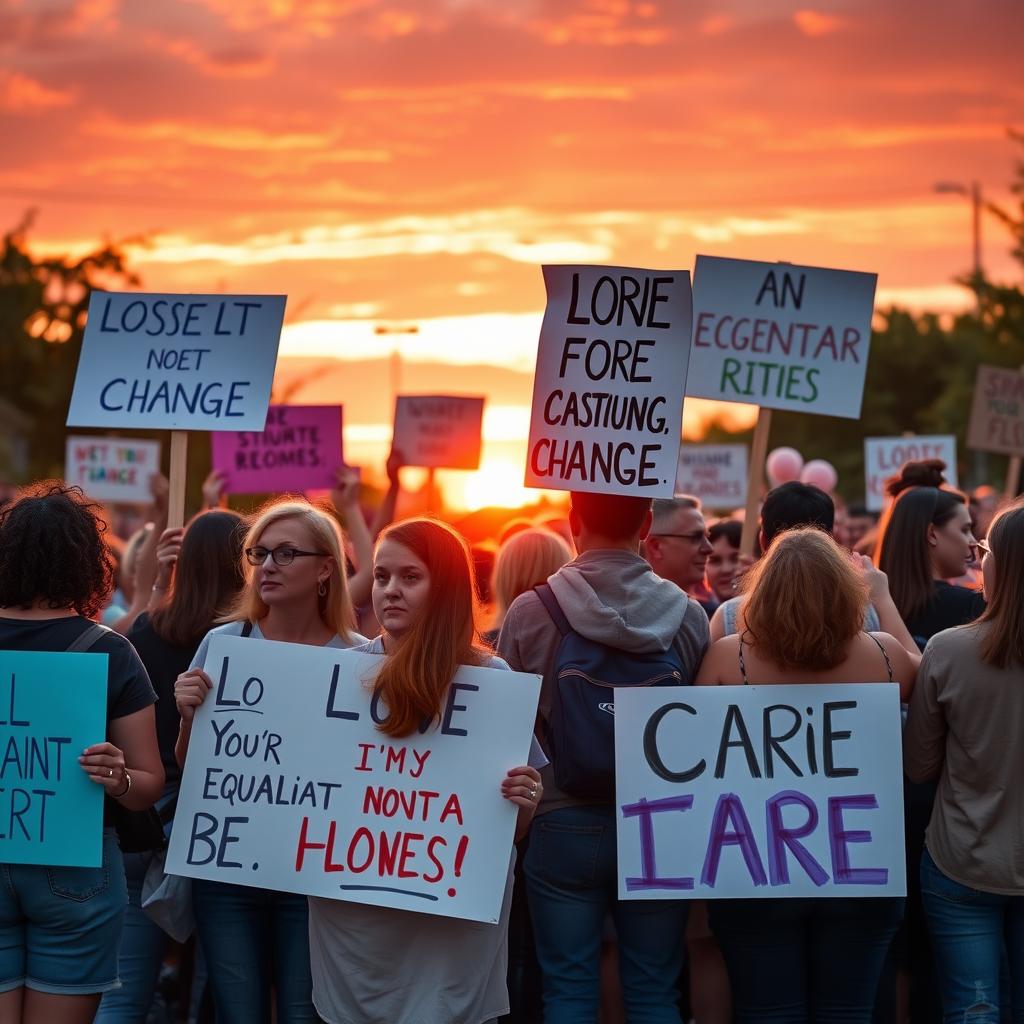
Your voice is a powerful tool for change. Whether you're speaking at a community meeting or volunteering for a cause, advocacy amplifies your impact. The Power of Your Voice in Advocacy lies in its ability to inspire, educate, and mobilize others. This guide explores how to use your voice effectively, master public speaking, and embrace advocacy volunteer roles to make a lasting difference.
Why Advocacy Matters
Advocacy is about standing up for what you believe in. It’s not just for politicians or professionals—it’s for anyone who cares about an issue. From climate change to social justice, your voice can shape policies and influence communities. Advocacy gives you a platform to share stories, raise awareness, and push for solutions.
The beauty of advocacy is its accessibility. You don’t need a degree or a title. All you need is passion and a willingness to speak up. According to the United Nations, advocacy efforts have driven global progress on issues like poverty reduction and gender equality. Your voice, no matter how small it feels, can contribute to these larger movements.

Mastering Public Speaking for Advocacy
Public speaking is often the heart of advocacy. Whether addressing a crowd or presenting to a small group, your words can inspire action. Mastering Public Speaking for Advocacy starts with preparation and confidence. Here are practical steps to shine as a speaker:
- Know Your Audience: Tailor your message to their interests. Are they policymakers, neighbors, or students? Understanding their perspective helps you connect.
- Craft a Clear Message: Focus on one or two key points. For example, if advocating for clean energy, highlight its benefits for health and jobs.
- Practice, Practice, Practice: Rehearse your speech multiple times. Record yourself to catch habits like filler words (“um,” “like”).
- Use Stories: People remember stories more than facts. Share a personal experience to make your cause relatable.
- Stay Calm: Nervous? Take deep breaths and focus on your message, not your fear.
Research from Harvard University shows that effective communication, including storytelling, increases audience engagement by up to 20%. A well-delivered speech can turn listeners into supporters.
Finding Your Voice
Your voice is unique. It’s shaped by your experiences, values, and perspective. I remember my first advocacy event—a small town hall about local recycling programs. I was nervous, stumbling over words, but I shared a story about how litter affected my neighborhood park. People nodded, connected, and later joined the cleanup effort. That moment taught me: authenticity matters more than perfection.
To find your voice, start small. Write down why your cause matters to you. Practice speaking it aloud. Over time, your confidence will grow. Don’t worry about sounding polished—just be real. Your sincerity will resonate.

Advocacy Volunteer Roles and Responsibilities
Volunteering is a great way to get involved in advocacy. Advocacy volunteer roles and responsibilities vary depending on the cause and organization. Here’s a breakdown of common roles:
| Role | Responsibilities | Skills Needed |
|---|---|---|
| Community Organizer | Plan events, recruit volunteers | Leadership, communication |
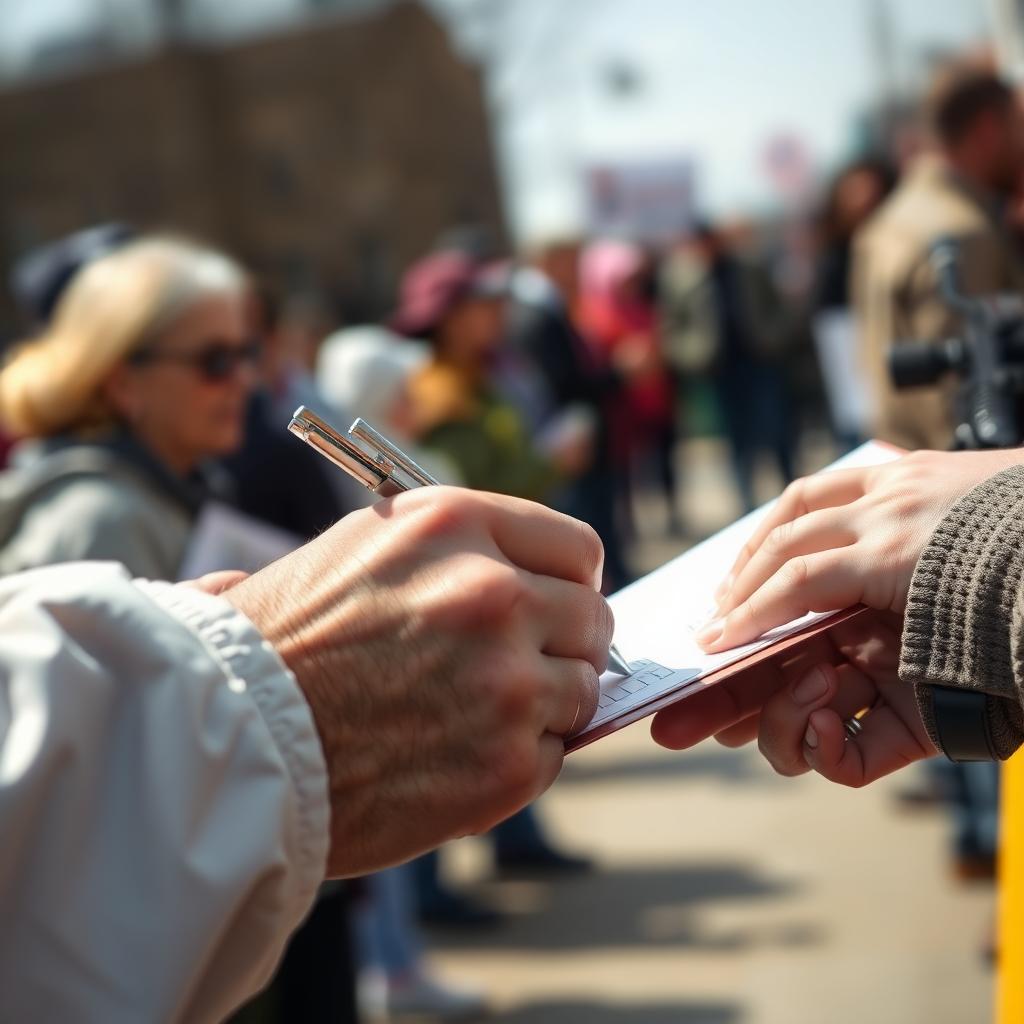
| Petition Coordinator | Collect signatures, raise awareness | Persuasion, networking |
| Social Media Advocate | Share campaigns online | Digital skills, creativity |
| Public Speaker | Deliver talks at events | Public speaking, storytelling |
Volunteers often wear many hats. For example, as a volunteer for a local animal shelter, I organized adoption events and spoke at schools. Each role taught me new skills, from event planning to handling tough questions. Organizations like Amnesty International emphasize that volunteers are critical to their campaigns, amplifying messages worldwide.
How to Get Started as an Advocate
Ready to make a difference? Here’s a step-by-step guide to begin your advocacy journey:
- Choose a Cause: Pick an issue you care about—education, healthcare, or the environment. Passion fuels persistence.
- Research: Learn the facts. Websites like Government Accountability Office offer reliable data on policy issues.
- Join a Group: Connect with local or national organizations. They provide training and community.
- Start Small: Attend a meeting, sign a petition, or share a post. Small actions build confidence.
- Speak Up: Share your story at events or online. Your voice matters.
Don’t feel pressured to do it all at once. Advocacy is a marathon, not a sprint. Every step forward counts.
Overcoming Challenges in Advocacy
Advocacy isn’t always easy. You might face skepticism, burnout, or fear of speaking out. Here’s how to push through:
- Handle Criticism: Not everyone will agree with you. Listen to feedback, but stay focused on your goal.
- Avoid Burnout: Set boundaries. Take breaks to recharge so you can keep going.
- Build a Support Network: Surround yourself with like-minded advocates. They’ll lift you up when things get tough.
I once faced a tough crowd at a city council meeting. Some dismissed my ideas about park improvements. Instead of giving up, I listened, refined my pitch, and came back stronger. Persistence pays off.
The Impact of Your Voice
Your voice can create ripples of change. A single speech can inspire action, a petition can shift policy, and a story can change hearts. Consider the civil rights movement: ordinary people speaking out led to historic change. Today, advocates use platforms like social media to reach millions. Your voice, combined with others, can move mountains.
Data from Pew Research Center shows that 64% of Americans have engaged in some form of advocacy, from signing petitions to attending rallies. Every voice adds to the momentum.
Summary
The Power of Your Voice in Advocacy lies in its ability to connect, inspire, and drive change. By mastering public speaking, embracing volunteer roles, and staying authentic, you can make a real impact. Start small, stay persistent, and let your passion guide you. Your voice is stronger than you think.