Preparing for Your First Volunteer Experience Abroad: A Complete Guide
Get ready for your first international volunteer adventure with practical tips, cultural insights, and preparation steps to make your experience safe, meaningful, and rewarding—especially for college students exploring volunteerism.
3 min read
Embarking on your first volunteer experience abroad can change your life. You'll gain new skills, build friendships across cultures, and contribute to communities in need. This guide helps you prepare thoughtfully so your trip becomes positive for everyone involved. Whether joining international volunteer programs for college students or pursuing general volunteerism, solid preparation makes all the difference.
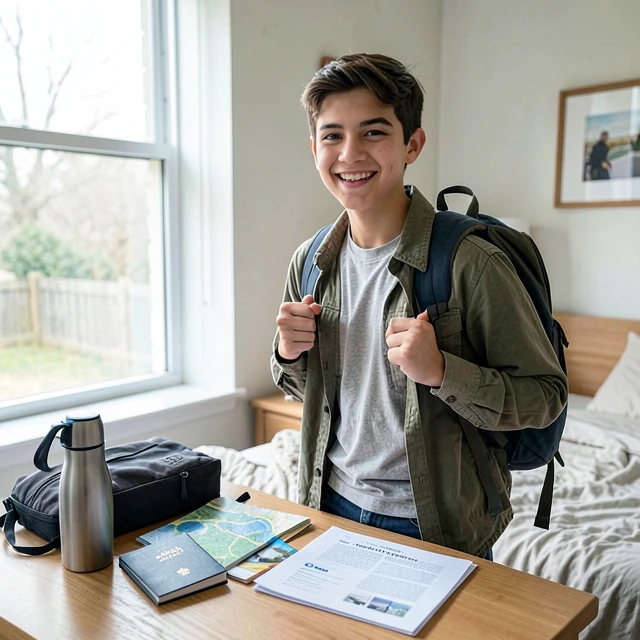
Why Volunteer Abroad? The Real Benefits
Volunteerism abroad offers more than just travel. Many college students choose international volunteer programs for college students to develop empathy, improve problem-solving, and boost resumes. Studies show participants often return with stronger global awareness and personal growth.
One report highlights that alumni from structured programs feel their experience substantially improved job performance and cultural understanding. For instance, longer commitments lead to deeper impacts on both volunteers and communities.
From my perspective, the biggest reward comes from humble contributions—teaching kids, helping with conservation, or supporting health projects. It builds confidence and reminds you how connected we all are.
Step 1: Choose the Right Program
Start by picking a reputable organization. Look for programs with strong safety records, clear impact goals, and positive reviews from past volunteers.
Avoid programs that promise quick fixes or treat volunteers as unskilled labor. Ethical volunteerism focuses on sustainable help led by local needs.
Tips for selection: - Research the organization's history and transparency. - Read reviews from real participants. - Ask about safety plans and training.
For U.S.-based options, check official guidance on safe volunteering abroad from the U.S. Department of State. They emphasize reviewing an organization's track record before committing.
College students often thrive in programs offering academic credit or skill-building in fields like education, health, or environment. Peace Corps offers immersive options, but shorter programs suit first-timers too.
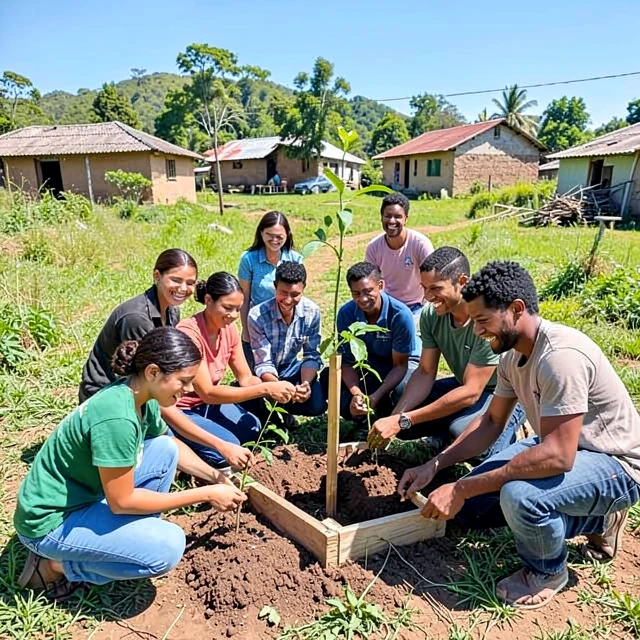
Step 2: Handle Logistics Early
Preparation prevents stress. Start 3-6 months ahead.
Key tasks include: - Passport and Visa — Ensure your passport has at least six months validity beyond your return. Apply for visas early—some arrive on arrival, others need advance processing. - Vaccinations and Health — Consult a doctor and check CDC recommendations for your destination. Get required shots like hepatitis, typhoid, or rabies if needed. - Insurance — Buy comprehensive travel insurance covering medical emergencies, trip cancellation, and evacuation. - Flights and Budget — Book flights after program confirmation. Budget for extras like food, local transport, and souvenirs—expect $50-100 weekly beyond program fees.
Make copies of documents and store them digitally. Inform your bank about travel to avoid card blocks.
Step 3: Cultural Preparation Matters Most
Culture shock hits many first-timers. Prepare by learning basics.
- Research customs, greetings, and taboos.
- Learn simple phrases in the local language.
- Understand history and current issues to avoid unintentional offense.
Approach with humility. Your role supports local efforts, not 'saves' anyone. Listen more than speak at first.
Many returnees say this mindset shift creates the most meaningful connections.
For deeper prep, explore resources like the Peace Corps preparation guidelines, which cover intercultural skills and community integration—even if you choose a different program.
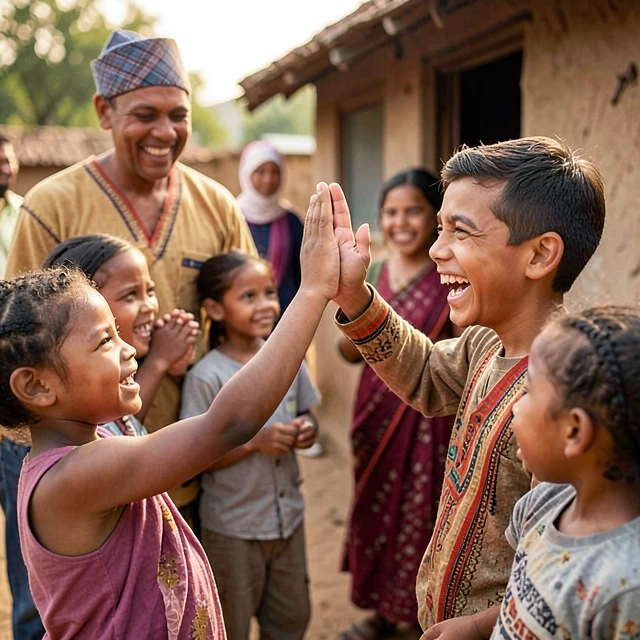
Step 4: Pack Smart and Stay Safe
Pack light—focus on versatile, modest clothing respecting local norms.
Essentials list: - Reusable water bottle and purification tablets - Comfortable shoes for work - Basic first-aid kit - Journal for reflections - Adapter plugs
Safety tips: - Follow program rules - Stay aware of surroundings - Share your itinerary with family - Know emergency contacts
Health stays key—drink bottled water, use insect repellent, and prioritize rest.
Step 5: During Your Trip – Make It Count
Arrive open-minded. Expect adjustments. Build relationships slowly.
Contribute where needed, even simple tasks. Reflect daily—what did you learn? How can you improve?
Many find the real growth happens in quiet moments: sharing meals, hearing stories, seeing resilience.
One volunteer shared: 'I expected to teach, but I learned far more from the community.' That mindset shift makes the experience transformative.
Common Challenges and How to Overcome Them
- Homesickness: Stay connected but immerse yourself.
- Frustration: Progress can feel slow—focus on long-term impact.
- Culture shock: Give yourself grace; it passes.
Preparation and flexibility help you thrive.
In summary, preparing for your first volunteer experience abroad involves thoughtful planning, cultural respect, and an open heart. Done right, it creates lasting memories, personal growth, and real contributions through volunteerism.
Take the leap—you'll return changed for the better.