Real Stories from the Volunteer Frontline: Impact, Challenges, and Empathy in Action
Discover real stories from the volunteer frontline, showcasing the transformative power of volunteering. Learn how volunteers overcome obstacles, maximize impact, and use empathy and advocacy skills to create lasting change in their communities.
4 min read

Overview: The Heart of Volunteerism
Volunteering is more than giving time—it’s about making a difference. Real Stories from the Volunteer Frontline reveal the passion, challenges, and triumphs of everyday people creating change. From community gardens to global health initiatives, these stories highlight the power of empathy, advocacy, and perseverance in transforming lives.
The Power of Volunteer Impact
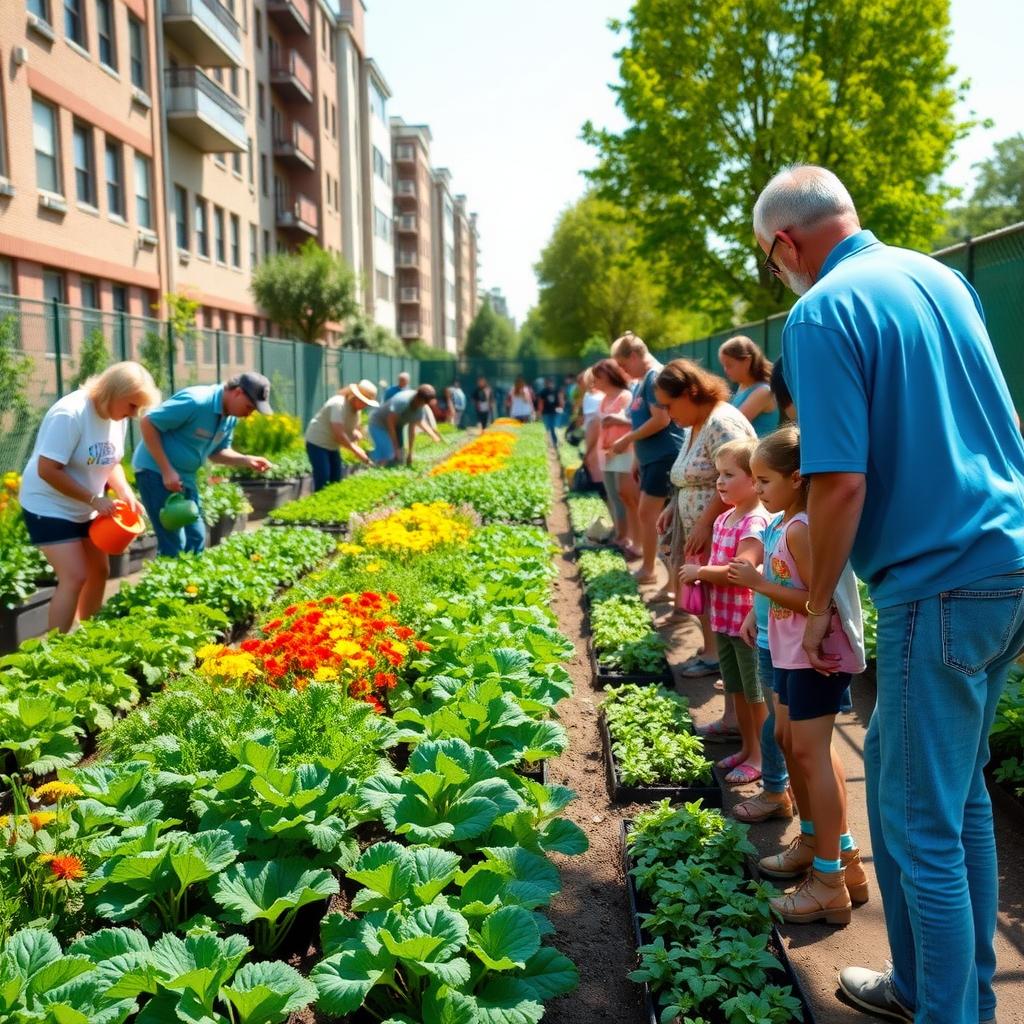
Volunteers are the backbone of community change. Whether it’s cleaning a polluted river or tutoring a struggling student, their efforts ripple outward, touching lives in unexpected ways. Take Sarah, a gardener in an urban neighborhood. She saw families struggling to access fresh produce and took action by starting a community garden. Her story, like many, shows how one person’s vision can spark widespread impact.
Sarah faced hurdles: securing land, rallying support, and finding funds for seeds. Yet, she persisted, organizing community meetings and partnering with local schools. Today, her garden feeds dozens of families and hosts workshops on sustainability. Her story is a testament to Maximizing Your Volunteer Impact: Tips from Seasoned Volunteers. Sarah’s tip? Start small, but dream big—every step forward counts.
Overcoming Obstacles in Volunteering
Volunteering isn’t always smooth sailing. Challenges like limited resources, time constraints, or emotional burnout can test even the most dedicated. John, a retired teacher, faced this when tutoring underprivileged kids. Building trust with families was tough, and each child needed a unique approach. John’s solution was to listen deeply and tailor his lessons, showing that patience and adaptability are key to overcoming obstacles.
According to a study by the Corporation for National and Community Service, 77% of volunteers report facing logistical challenges, yet those who persist see significant community impact. John’s students improved their grades, and many developed a love for learning. His story highlights the importance of resilience in volunteering.
Empathy in Action: The Volunteer’s Journey
At the heart of every volunteer’s work is empathy. It’s what drives people like Emily, an animal shelter volunteer, to keep going despite emotional challenges. Seeing neglected animals was heartbreaking, but Emily channeled her compassion into action. She organized adoption events and used social media to share animals’ stories, boosting adoption rates by 30% in her shelter.
Empathy isn’t just feeling—it’s doing. Emily’s journey shows how understanding others’ struggles fuels meaningful change. Her advice for volunteers? Connect with the cause on a personal level. It keeps you motivated, even on tough days. This Empathy in Action: The Volunteer’s Journey inspires others to turn compassion into results.

Skills Needed for Advocacy Volunteering
Advocacy volunteering takes impact to another level. It’s about using your voice to shape policies or raise awareness. Skills like communication, critical thinking, and collaboration are essential. In Kenya, the Green Belt Movement, led by volunteers, planted over 50 million trees and influenced national forest protection laws. Volunteers needed to persuade policymakers, rally communities, and stay organized.
Here’s a quick list of key skills for advocacy volunteering:
- Communication: Clearly articulate issues and solutions.
- Research: Understand the cause and its broader impact.
- Networking: Build alliances with stakeholders.
- Persistence: Push through resistance to achieve goals.
These skills, honed through experience, empower volunteers to create systemic change.
Real-Life Wins: From Small Acts to Big Change
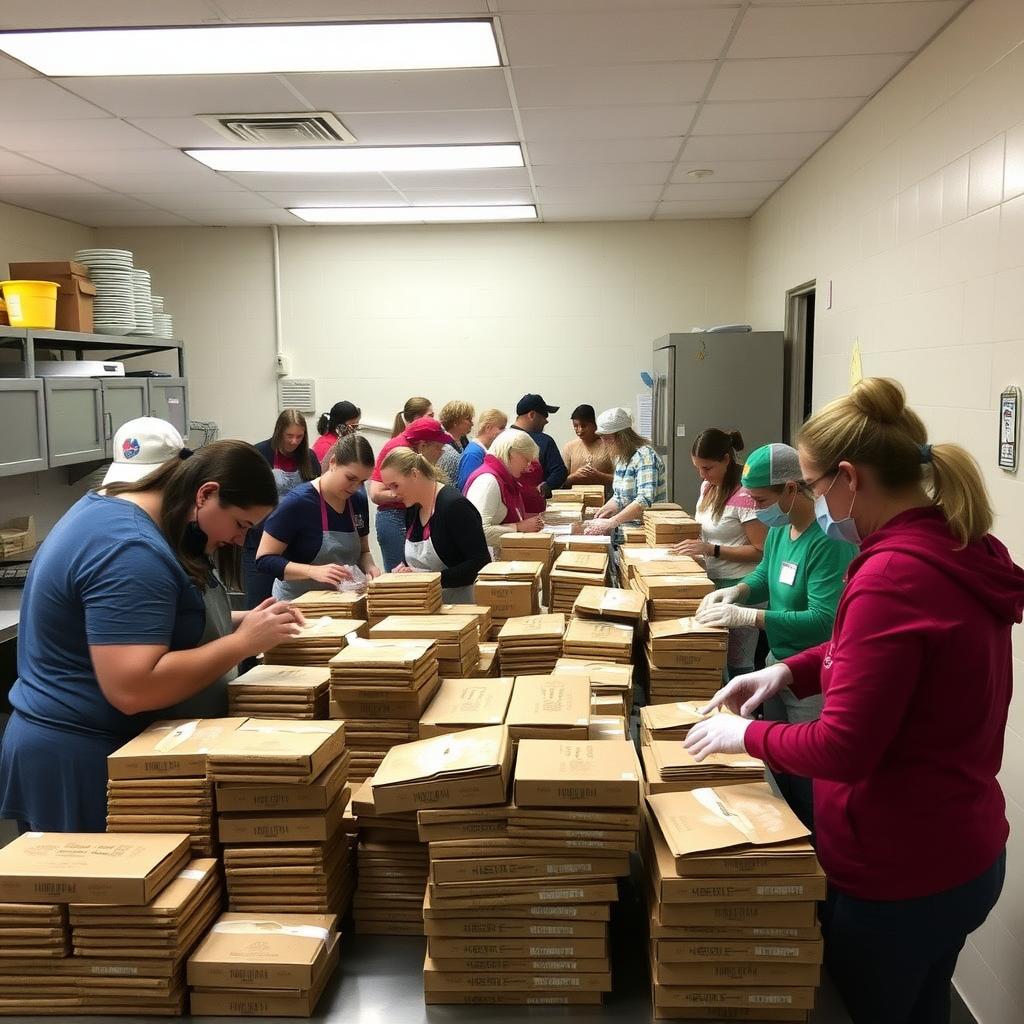
Volunteering often starts small but leads to big results. In Chicago, a group of volunteers began handing out sandwiches to families in need. What started as a weekend project grew into Meals for All, now delivering 10,000 meals monthly. Their story, shared by Volunteer Connection, shows how consistent effort can scale into transformative programs.
The volunteers faced logistical challenges, like coordinating deliveries and securing food donations. They overcame these by partnering with local businesses and using social media to recruit help. Their success proves that small, consistent actions can lead to lasting community change.
Tips for Maximizing Your Volunteer Impact
Seasoned volunteers like Sarah, John, and Emily share practical advice for making a difference:
| Tip | How to Apply It |
|---------|--------------------|
| Start with passion | Choose a cause you care about deeply. |
| Build relationships | Connect with community members and organizations. |
| Stay flexible | Adapt to challenges with creative solutions. |
| Use technology | Leverage social media to amplify your efforts. |
| Keep learning | Attend workshops or training to build skills. |
These tips, rooted in real experiences, help volunteers create meaningful, lasting impact.
The Ripple Effect of Volunteering
Every volunteer’s story creates a ripple effect. One person’s actions inspire others, building stronger, more connected communities. According to Points of Light, over 1 billion people volunteer globally, contributing to economic and social growth. Whether it’s planting trees, tutoring kids, or advocating for change, these efforts show the power of collective action.
Summary: The Volunteer’s Legacy
Real Stories from the Volunteer Frontline show that anyone can make a difference. From overcoming obstacles to using empathy and advocacy skills, volunteers like Sarah, John, and Emily prove that small actions lead to big change. Their stories inspire us to get involved, stay resilient, and create a lasting impact.