Real Stories of Service Learning in Action
Discover how service learning transforms education through real-life examples, best practices, and actionable insights for implementing this impactful approach in classrooms.
3 min read
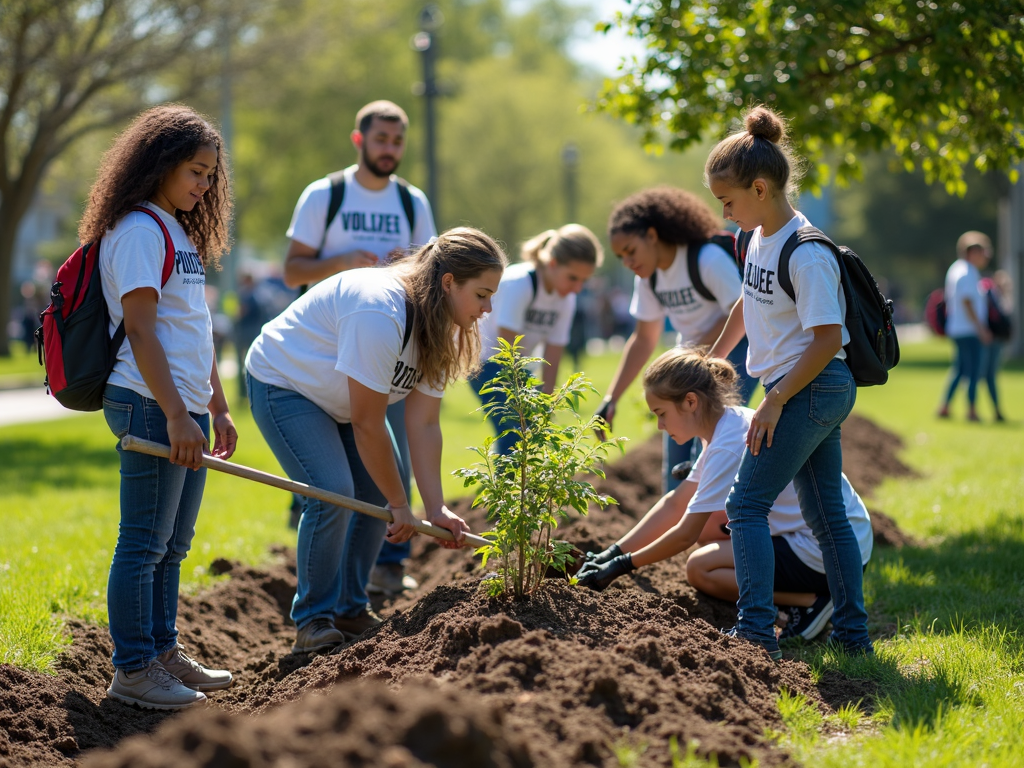
Service learning is more than just a buzzword in education; it's a powerful tool that bridges the gap between classroom theory and real-world application. By engaging students in meaningful community service projects tied to academic goals, educators can foster critical thinking, empathy, and a sense of civic duty. According to the National Service-Learning Clearinghouse, service learning is "a teaching and learning strategy that integrates meaningful community service with instruction and reflection to enrich the learning experience, teach civic responsibility, and strengthen communities." This article delves into real stories of service learning in action, offering insights into how this approach is transforming education and providing best practices for implementation.

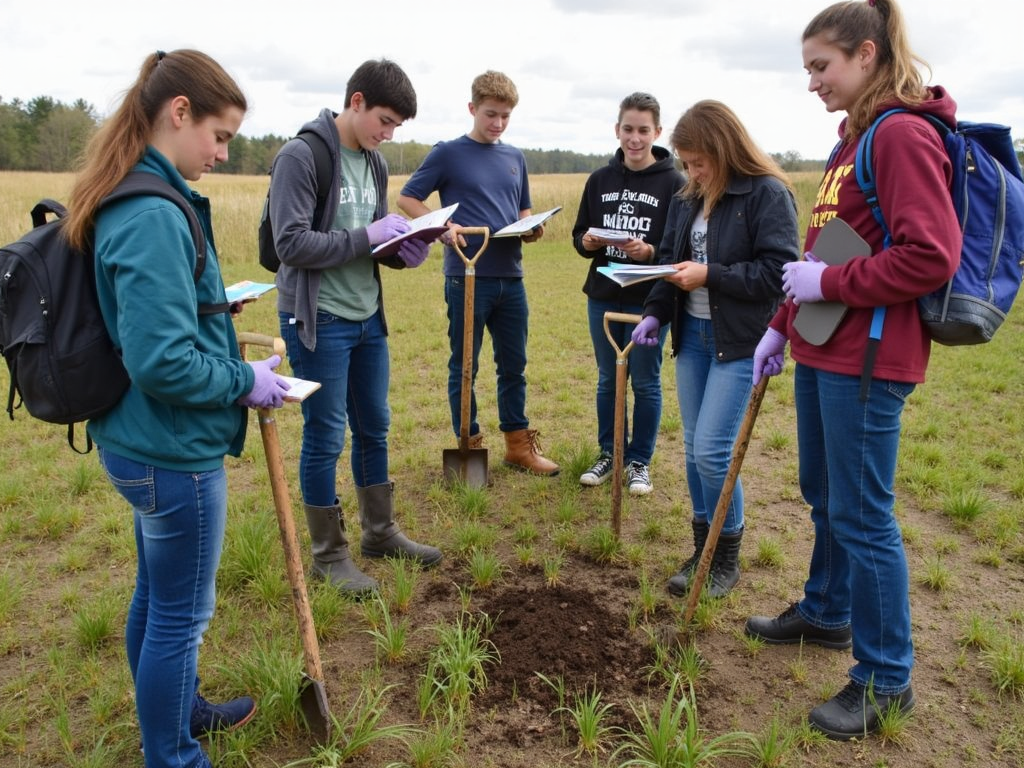
One inspiring example comes from a high school in Chicago, where students in a biology class partnered with a local environmental organization to restore a nearby wetland. Through this project, students not only learned about ecosystems and biodiversity but also gained hands-on experience in environmental conservation. The project culminated in a community event where students presented their findings and the impact of their work, fostering a sense of pride and accomplishment.
"Service learning has completely changed my perspective on education," says Ms. Johnson, the biology teacher who spearheaded the wetland restoration project. "Seeing my students so engaged and passionate about making a difference in their community has been incredibly rewarding. It's not just about memorizing facts; it's about applying knowledge to solve real problems."
In a middle school in Seattle, an English language arts teacher integrated service learning into her curriculum by having students create a community newsletter. The project involved interviewing local residents, writing articles about community issues, and distributing the newsletter to raise awareness. This not only honed students' writing and communication skills but also connected them with their community in meaningful ways.
"Through this project, I learned that my voice matters," shares Emily, a seventh-grade student. "I got to talk to people in my neighborhood and share their stories. It made me realize that even as a kid, I can make a difference."
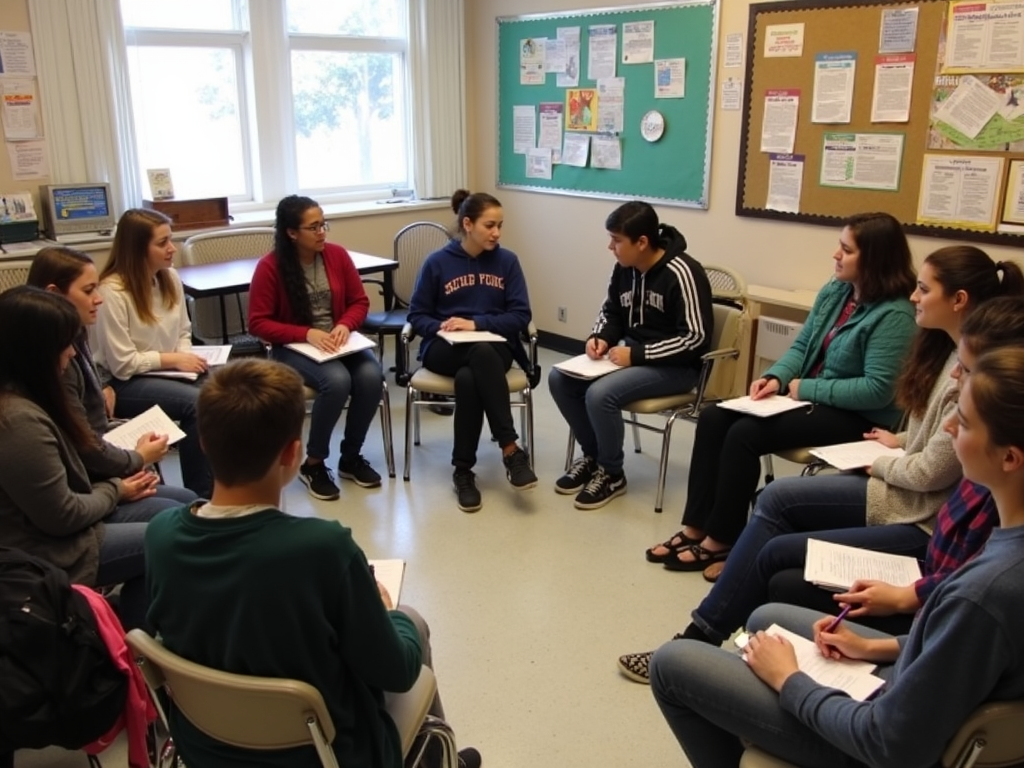
Implementing service learning requires careful planning and collaboration. Here are some best practices to consider:
- Align with Curriculum: Ensure that the service project directly relates to the academic content being taught. This integration is key to making the experience meaningful and educational.
- Partner with Community Organizations: Collaborate with local nonprofits, government agencies, or community groups to identify service opportunities that align with your learning objectives. The Corporation for National and Community Service offers resources for finding community partners.
- Involve Students in Planning: Empower students to take ownership of the project by involving them in the planning process. This fosters leadership and critical thinking skills.
- Reflect and Assess: Incorporate reflection activities throughout the project to help students process their experiences and connect them to academic concepts. Use assessments to measure both academic and personal growth. For more on assessment, see this guide from the University of Minnesota.
| Best Practice | Description |
|---|---|
| Align with Curriculum | Ensure the service project directly relates to academic content. |
| Partner with Community Organizations | Collaborate with local groups to identify relevant service opportunities. |
| Involve Students in Planning | Empower students to take ownership and develop leadership skills. |
| Reflect and Assess | Use reflection and assessment to connect experiences to learning objectives. |
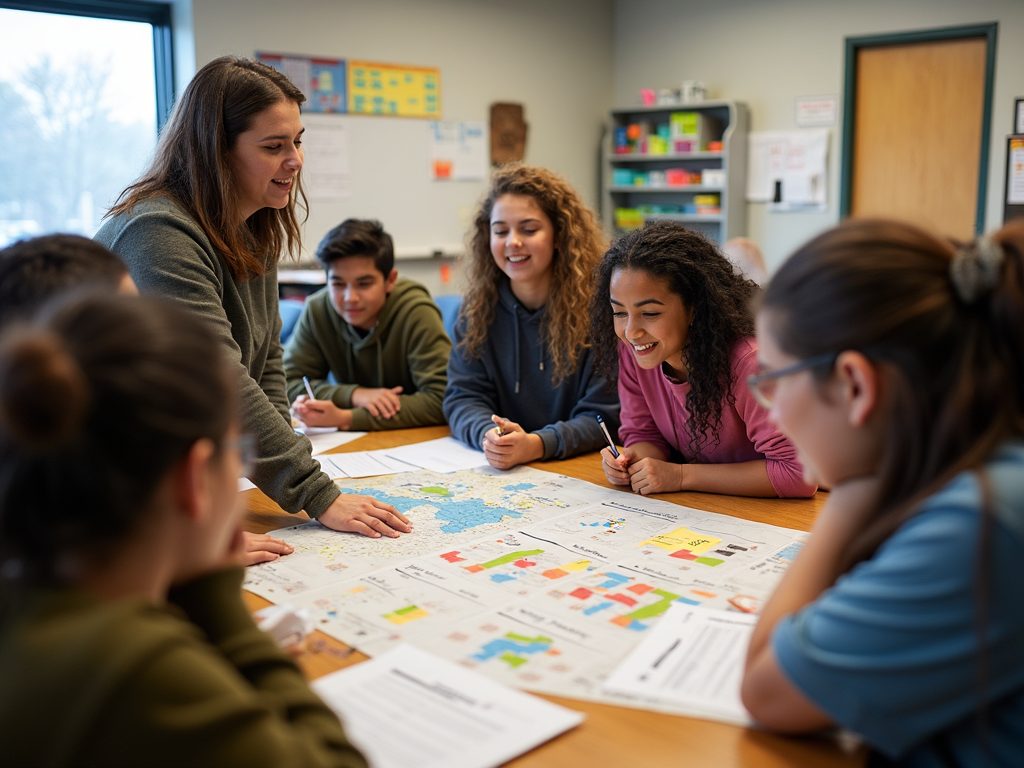
While service learning offers numerous benefits, it also presents challenges. Time constraints, logistical issues, and ensuring academic rigor are common concerns. To address these, educators can:
- Start Small: Begin with a small-scale project to test the waters and gradually expand as you gain experience.
- Seek Support: Engage school administrators, parents, and community members to provide resources and assistance.
- Document and Share: Keep detailed records of the project's impact and share success stories to garner support for future initiatives. For inspiration, read about how one school district overcame challenges to implement service learning.

Service learning is a transformative approach that enriches education by connecting academic learning with community service. Through real stories and best practices, we've seen how this method fosters student engagement, develops critical skills, and strengthens communities. By implementing service learning in your classroom, you can create meaningful learning experiences that extend beyond the walls of the school.