Real-World Examples of Service Learning Success Stories
Explore real-world examples of service learning success stories and how they shape future leaders through community involvement and personal growth.
4 min read
Service learning is a powerful educational approach that combines academic learning with community service, fostering personal growth and leadership skills in students. This article explores real-world examples of service learning success stories, highlighting how these experiences shape future leaders and benefit communities.
Service learning is more than just volunteering; it's a structured educational experience that combines community service with academic learning. According to the National Youth Leadership Council, service learning is "a teaching and learning strategy that integrates meaningful community service with instruction and reflection to enrich the learning experience, teach civic responsibility, and strengthen communities."
Key components of service learning include:
- Meaningful Service: Projects address real community needs.
- Curriculum Integration: Service is tied to academic content.
- Student Leadership: Students take active roles in planning and execution.
- Reflection: Students reflect on their experiences to deepen learning.
- Community Involvement: Collaboration with community partners is essential.

This approach ensures that both the service and the learning are equally valued, creating a mutually beneficial experience for students and communities alike.
Service learning offers a win-win scenario for both students and communities. For students, the benefits include:
- Enhanced Learning: Applying academic knowledge in real-world settings deepens understanding.
- Personal Growth: Students develop empathy, leadership, and a sense of civic responsibility.
- Career Readiness: Service learning provides practical experience and networking opportunities.
For communities, the benefits include:
- Addressing Real Needs: Projects are designed to meet specific community needs.
- Building Capacity: Students bring fresh ideas and energy to community organizations.
- Fostering Partnerships: Service learning strengthens ties between educational institutions and communities.
While service learning offers numerous benefits, it's not without challenges. Common issues include:
- Time Constraints: Balancing academic responsibilities with service commitments can be challenging for students.
- Resource Limitations: Projects may require funding or materials that are not readily available.
- Cultural Sensitivity: Students must be mindful of cultural differences and avoid imposing their own values.
- Sustainability: Ensuring that projects have a lasting impact beyond the students' involvement.
To address these challenges, careful planning and collaboration with community partners are essential. Educators should also provide adequate support and resources to students throughout the process.
What if learning didn’t just happen in classrooms but also in communities, solving real problems? That’s what service learning offers. It’s an approach where students use their academic skills to tackle community needs, gaining hands-on experience while making a difference. This article dives into real-world examples of service learning success stories, showing how these projects transform students into leaders and strengthen the places they serve.
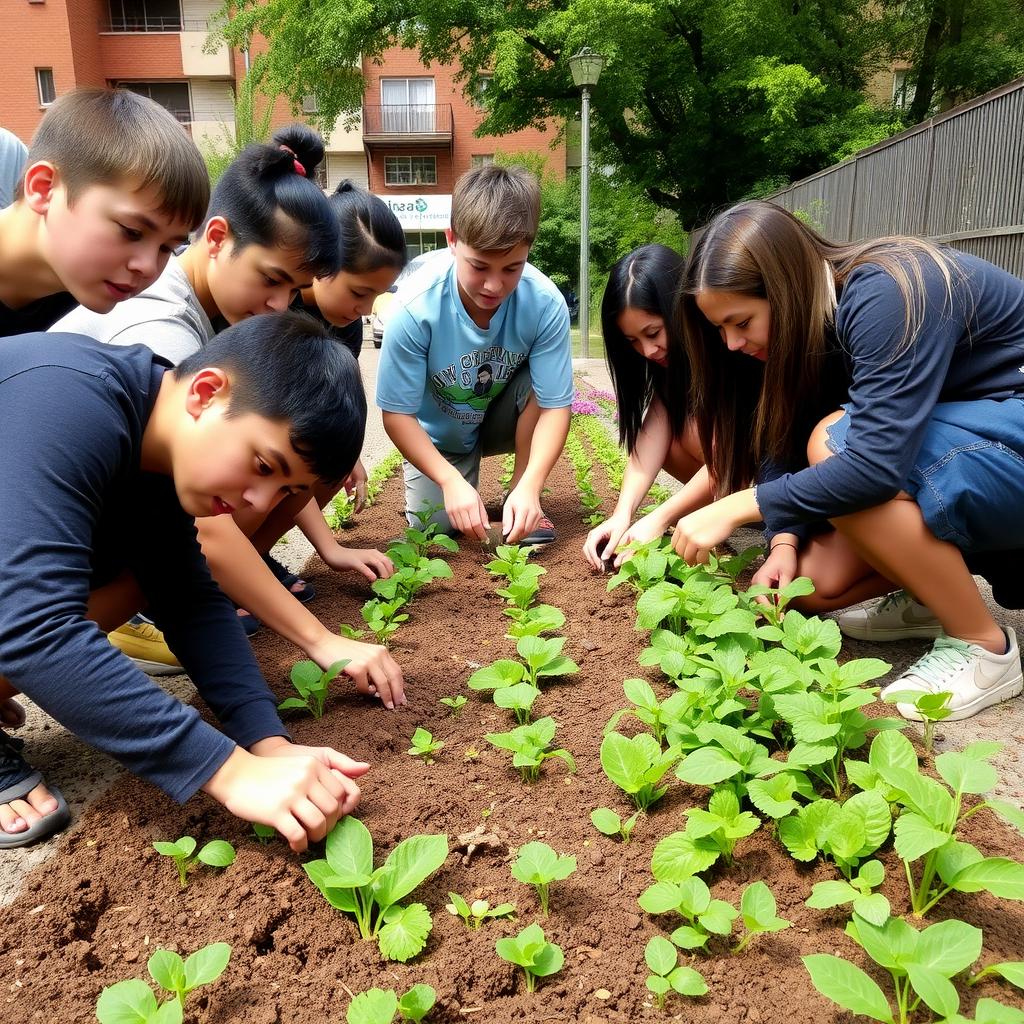
Students at St. Catherine University joined a public health course that took them to an urban farm. They teamed up with a local nonprofit to grow fresh food in the city. This wasn’t just about planting—it tackled food insecurity while teaching them about nutrition in action.
One student said, “I learned more digging in the dirt than reading about health. It showed me how food access changes lives.”
The farm fed the community and turned students into advocates for better food systems.
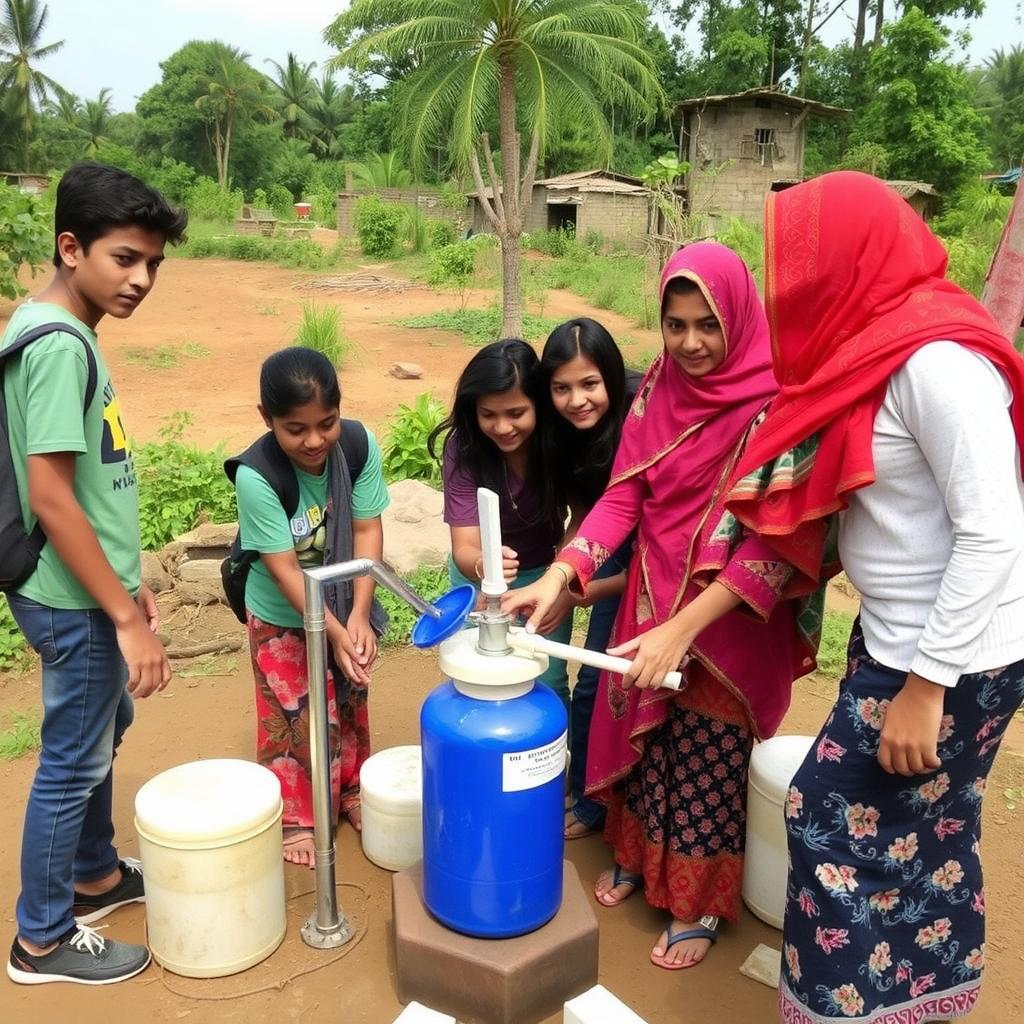
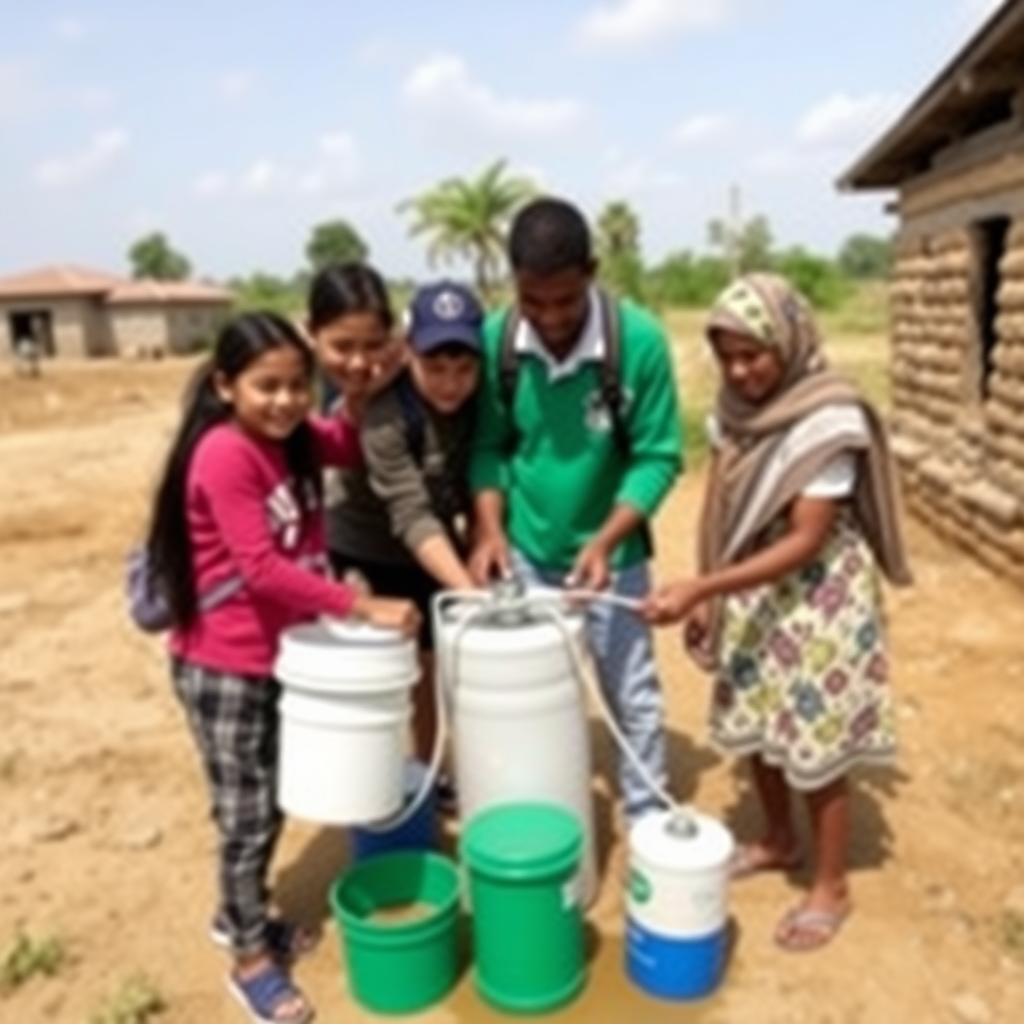
Engineering students from a U.S. university went to Guatemala to build water purification systems. Part of their sustainable engineering class, they worked with villagers to set up systems that fit local needs. This project gave clean water to families and taught students about global challenges.
A student named Katie shared, “Seeing how people lived was tough, but helping them get clean water felt amazing.”
This effort shaped them into engineers who care about people, not just tech.
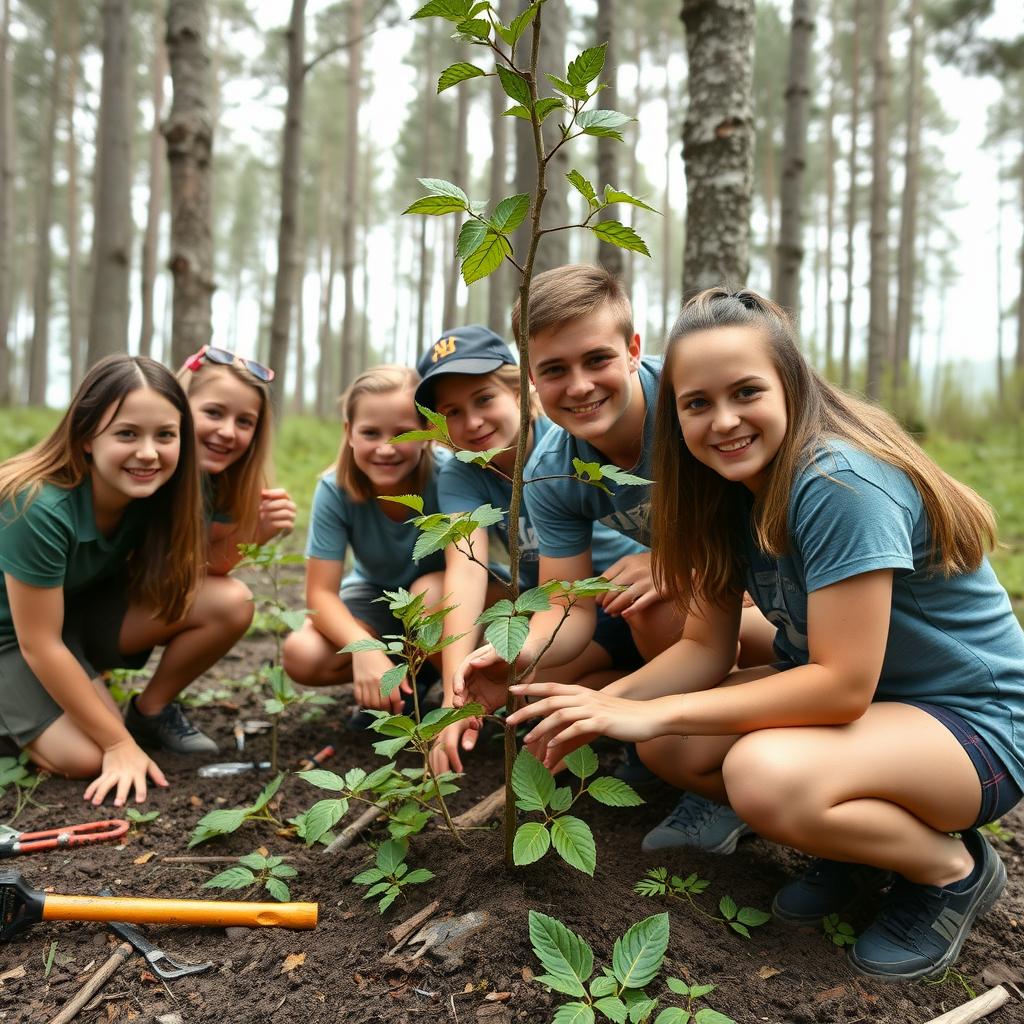
High schoolers in California joined an environmental service learning project. They worked with local groups to fix up natural areas and teach others about going green. It was a chance to use their science lessons and see results.
One teen said, “I didn’t know how much effort it takes to save nature. Now I want to keep doing it.”
They helped the planet and found a passion for protecting it.
Service learning isn’t just about projects—it’s about building leaders. Students grow by:
- Stepping Up: They spot problems and act on them.
- Working Together: They learn to team up with all kinds of people.
- Solving Problems: Real challenges push them to think hard.
- Understanding Others: They connect with communities and care more.
- Learning from It: Reflection turns experiences into lessons.
These skills stick with them, preparing them to lead with heart and smarts. A study from Vanderbilt University shows service learning boosts leadership and civic duty in students.
Want to make it work? Try these:
- Listen First: Find out what the community really needs.
- Match the Class: Link it to what students study.
- Let Them Lead: Give students control.
- Talk It Out: Help them think about what they learned.
- Check Results: See how it helped everyone.
These steps make projects hit the mark.
Service learning isn’t just schoolwork—it’s a way to learn, lead, and lift up communities.