Recognizing Volunteer Burnout: Prevention and Recovery Strategies
Discover how to spot the signs of volunteer burnout early, understand its causes, and implement effective prevention and recovery strategies to keep your passion for helping others alive and sustainable.
4 min read
Quick Overview
Volunteer burnout happens when dedicated people give too much for too long without enough rest or support. It leads to exhaustion, frustration, and even quitting. This guide covers how to recognize the signs, prevent it, and recover so you can keep making a difference without losing yourself. (https://example.com/recognizing-volunteer-burnout)
Volunteering feels great at first. You help others, meet new people, and see real change. But over time, many volunteers hit a wall. I remember my own experience coaching youth sports for three years straight. What started as joy turned into dread. I felt tired all the time and snapped at the kids over small things. That was volunteer burnout creeping in.
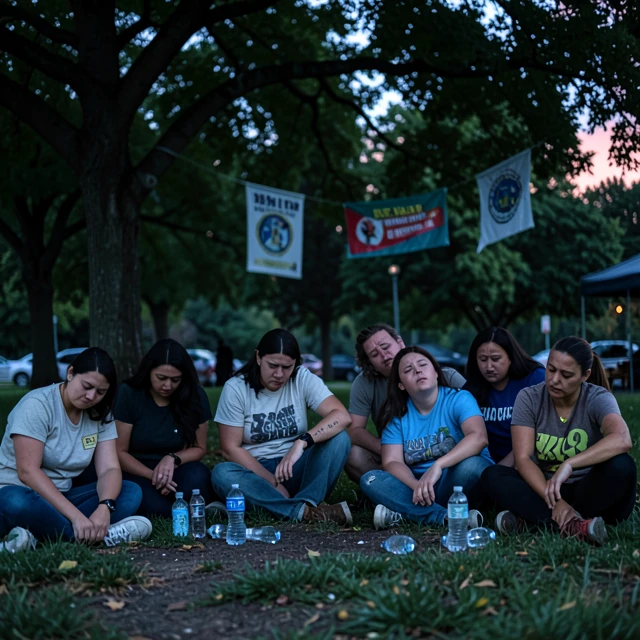
What Is Volunteer Burnout?
Burnout is more than just being tired. It's a state of emotional, physical, and mental exhaustion from ongoing stress. For volunteers, it often comes from giving without getting enough back in return. Unlike paid work, volunteers rarely get breaks or boundaries enforced for them.
The World Health Organization describes burnout as an occupational phenomenon, but it applies to volunteering too. Chronic stress leads to feeling drained, detached, and less effective. In advocacy programs for volunteers, this shows up when people stop showing up or lose their drive to push for change.
Common Signs of Volunteer Burnout
Spotting burnout early saves a lot of pain. Here are key warning signs many volunteers miss until it's too late:
- Emotional exhaustion: You feel drained even after rest. Small tasks feel huge.
- Cynicism and detachment: You start doubting the impact or get irritated with the cause or people involved.
- Reduced performance: You make more mistakes, show up late, or do the bare minimum.
- Physical symptoms: Headaches, trouble sleeping, getting sick more often.
- Loss of enjoyment: What once excited you now feels like a chore.
- Irritability: Snapping at friends, family, or fellow volunteers.
- Withdrawal: Pulling away from social events or avoiding volunteer duties.
In my time leading advocacy programs for volunteers, I saw these signs in people who once lit up rooms with their energy. One friend went from posting daily about our cause to going silent for weeks. When we talked, she admitted feeling hopeless about making change.

Causes of Volunteer Burnout
Burnout doesn't happen randomly. Common triggers include:
- Overcommitment – Saying yes to too many shifts or roles.
- Lack of recognition – Feeling your efforts go unnoticed.
- Emotional demands – Especially in advocacy or direct service roles dealing with heavy issues.
- Poor boundaries – No clear end to duties or time off.
- Imbalance – Volunteering takes over personal life, family, or self-care.
- Organizational issues – Inadequate support, training, or resources from the group.
Advocacy programs for volunteers often face extra pressure because the work feels urgent and endless. When systemic change moves slowly, volunteers can feel their efforts are pointless, speeding up burnout.
Prevention Strategies: Keep Burnout at Bay
The best fix is stopping it before it starts. Here are practical steps that work:
- Set clear boundaries from day one. Decide how many hours or days you can give each month.
- Take regular breaks. Schedule time off just like you would from a job.
- Practice self-care daily: exercise, eat well, sleep enough, and do things you enjoy.
- Seek support. Talk to friends, mentors, or join volunteer support groups.
- Rotate tasks. Try new roles to keep things fresh.
- Celebrate wins. Track progress and acknowledge your impact.
- Say no when needed. It's okay to protect your energy.
Organizations running advocacy programs for volunteers should check in regularly, offer training on stress management, and create flexible schedules. Simple things like thank-you notes or appreciation events make a big difference.

Recovery Strategies: Coming Back Stronger
If burnout has already hit, recovery takes time but it's possible. Start with these steps:
- Acknowledge it. Admit you're burned out without guilt.
- Step back. Take a real break from volunteering – even a few weeks helps.
- Rest and recharge. Focus on sleep, nutrition, and relaxing activities.
- Reflect. Journal about what led to burnout and what needs to change.
- Seek help. Talk to a counselor or trusted friend if feelings are deep.
- Return slowly. Start with small commitments and monitor your energy.
- Build better habits. Use prevention strategies going forward.
I took a six-month break after my own burnout. During that time, I focused on hobbies and family. When I returned, I set strict limits and felt renewed passion. Recovery isn't weakness – it's smart self-management.
Final Thoughts
Volunteer burnout is common, but it's not inevitable. By recognizing the signs early, setting boundaries, and prioritizing self-care, you protect your ability to help others long-term. Whether you're in advocacy programs for volunteers or casual community service, remember: sustainable giving starts with caring for yourself. Your well-being matters as much as the cause.