How to Recruit and Retain Advocacy Volunteers: Proven Strategies for Building a Strong Team
Master how to recruit and retain advocacy volunteers with actionable steps, best practices in advocacy volunteering, and proven tips for measuring success in advocacy efforts. Build a dedicated team that drives real change for your cause.
4 min read
Overview
Advocacy groups thrive when powered by passionate people who show up consistently. This comprehensive guide on How to Recruit and Retain Advocacy Volunteers - /recruit-retain-advocacy-volunteers walks you through proven methods to attract committed individuals and keep them engaged long-term. You will discover best practices in advocacy volunteering, gain personal insights from real-world experience, and learn how to track progress with Measuring Success in Advocacy Efforts. Whether you lead a local environmental campaign or a national rights movement, these strategies deliver lasting results.
Volunteers form the backbone of every successful advocacy effort. They knock on doors, write letters to lawmakers, organize events, and spread your message online. Without them, even the strongest cause stalls. Yet many organizations struggle to find enough people or watch them leave after a few months. The good news? You can change that with clear, people-first approaches.
In my years supporting advocacy nonprofits, I have seen one truth stand out: volunteers stay when they feel valued, see impact, and connect with others. Recruitment is only step one. Retention turns good teams into unstoppable forces. Let’s dive into practical steps that work.
Why Advocacy Volunteers Matter More Than Ever
Today’s causes face complex challenges. One person alone cannot shift policy or change minds at scale. Advocacy volunteers multiply your reach. They bring fresh energy, local knowledge, and personal stories that resonate with decision-makers and the public. Studies show organizations with strong volunteer programs achieve greater community trust and faster progress on their goals.
Step-by-Step: How to Recruit Advocacy Volunteers
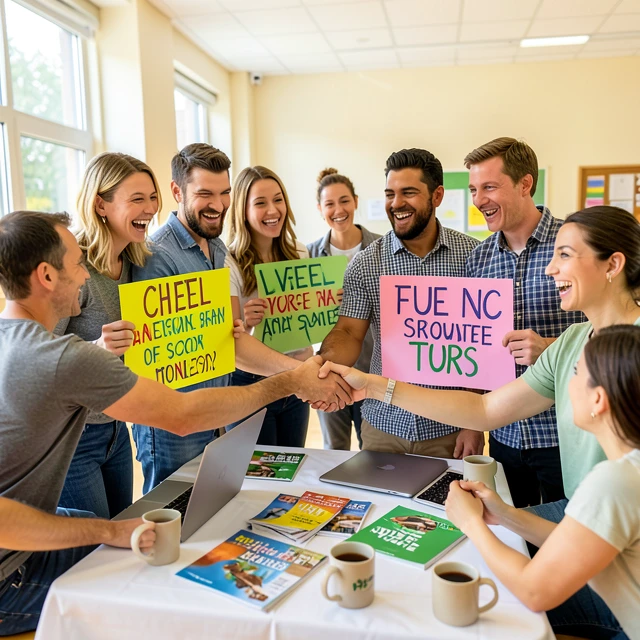
Start by defining clear roles. Write short descriptions that list exact tasks, time needed, and skills required. Post these everywhere potential volunteers look.
Use these proven channels:
- Social media posts with real stories and calls to action
- Community events and tabling at local fairs
- Partnerships with universities and faith groups
- Email newsletters to existing supporters
Personal invitations work best. Ask current volunteers to bring one friend. This builds immediate trust.
Screen thoughtfully but warmly. A quick application and friendly chat help you match people to the right tasks. Avoid long forms that scare off busy professionals. According to the University of San Diego’s guide on volunteer management, clear role descriptions and tailored outreach attract volunteers whose skills and values align with your mission.
Target different motivations. Some people want to do the right thing for the community. Others seek fun, skill-building, or public recognition. The University of Florida’s research on volunteer motivations shows matching tasks to these drivers dramatically improves sign-up rates. Offer short-term projects for beginners and deeper roles for longtime supporters.
Best Practices in Advocacy Volunteering
Train volunteers right away. A one-hour orientation covers your cause, safety rules, and messaging guidelines. Follow up with skill-specific sessions, such as writing effective letters or using social media tools.
Give flexibility. Let volunteers choose shifts that fit their lives—virtual calls, weekend events, or weekday research. This respect keeps doors open for working parents and students.
Foster connection. Host monthly check-ins where volunteers share wins and challenges. Pair new recruits with mentors. These small touches create belonging. FEMA’s report on volunteer retention highlights that personal invitations, mentoring, and flexible schedules cut dropout rates significantly—even in high-demand fields.
How to Retain Advocacy Volunteers Long-Term
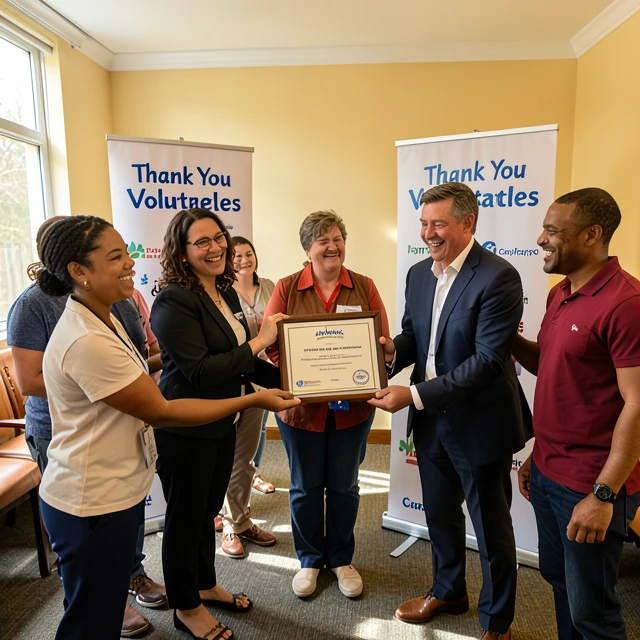
Recognition matters most. Send handwritten thank-you notes. Spotlight stories in newsletters. Host appreciation events. Small gestures show you notice their effort.
Offer growth. Let volunteers lead projects or learn new skills like public speaking. This keeps work interesting and builds their resumes.
Listen actively. Send short surveys every quarter: What’s working? What needs fixing? Act on feedback fast. In my experience, groups that close the loop on suggestions see retention jump by 40 percent or more. Volunteers feel ownership when their ideas shape the program.
Create community. Organize social mixers or virtual coffee chats. Shared meals and laughs turn colleagues into friends. People stay for the relationships as much as the cause.
Here is a quick comparison of retention tactics:
| Tactic | Impact on Retention | Easy to Start |
|--------|---------------------|---------------|
| Monthly recognition | High | Yes |
| Mentor pairing | Very High | Medium |
| Flexible scheduling | High | Yes |
| Skill workshops | Medium-High | Medium |
| Exit surveys | High (for future) | Yes |
Measuring Success in Advocacy Efforts
Tracking results keeps everyone motivated. Use simple metrics:
- Number of active volunteers and hours contributed
- Policies changed or bills supported
- Media mentions and petition signatures gathered
- Event attendance and follower growth
Tools like free Google Forms or spreadsheets work well for small teams. Review numbers quarterly and celebrate wins together.
Go deeper with stories. Collect testimonials from volunteers and the people your advocacy helps. These qualitative wins prove your program creates real change. Combine numbers with stories for powerful reports that attract funders and new recruits.

Common Challenges and How to Overcome Them
Time conflicts top the list. Counter this with micro-volunteering options—tasks that take 15 minutes.
Burnout hits hard during intense campaigns. Build in rest periods and rotate leadership roles.
Diversity gaps limit reach. Actively welcome all backgrounds and adjust outreach language. Inclusive teams produce stronger results.
Budget limits? Many free tools exist. Partner with local businesses for printing or venues. Small investments in appreciation events pay off through higher retention.
Summary
How to recruit and retain advocacy volunteers comes down to respect, clarity, and connection. Define roles, train well, recognize often, and measure what matters. When you apply these best practices in advocacy volunteering, your team grows stronger and your cause advances faster. Start small today—invite one new person, thank one current volunteer, and track one metric. The results will inspire you to keep going.