Resources for Securing Service Learning Grants and Funding: Your Ultimate Guide
Discover essential resources for securing service learning grants and funding. Learn about the impact of service learning in education and get actionable tips to fund your volunteer projects effectively.
4 min read
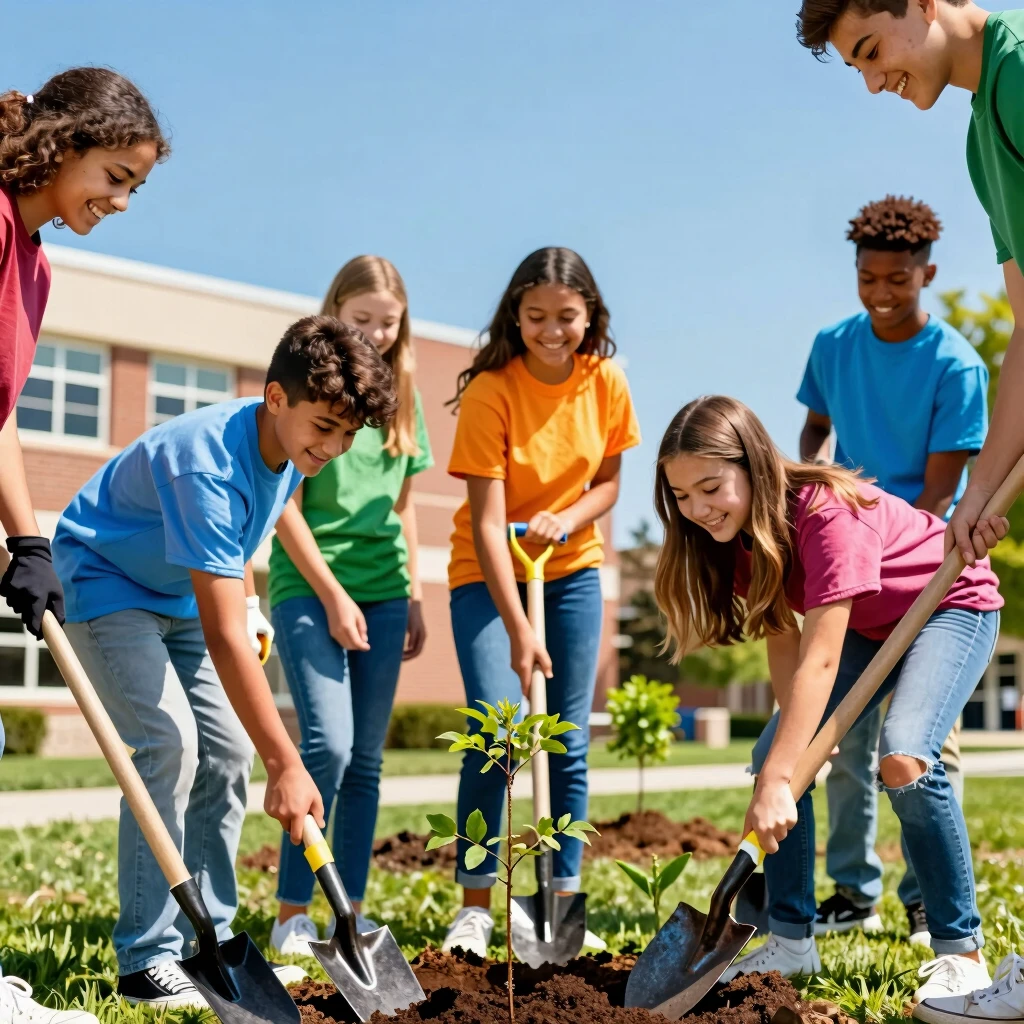
A Quick Overview
Service learning blends hands-on volunteer work with classroom goals, creating real change while boosting student growth. If you're an educator or program leader hunting for funds, this guide covers key resources for securing service learning grants and funding. From federal options to university mini-grants, you'll find practical steps to turn your ideas into funded realities—in just 1500 words of straightforward advice.

Understanding Service Learning and Its Lasting Impact
Let's start with the basics. Service learning isn't just about volunteering—it's a structured way to connect academic lessons with community action. Students tackle real-world problems, like cleaning local rivers or tutoring kids, while tying it back to subjects like science or history.
I've seen this firsthand. As a former coordinator for a high school program, I watched shy teens transform into confident leaders after a semester of service. They didn't just log hours; they built skills that stuck with them.
The Impact of Service Learning in Education
Why bother? The evidence is clear. Service learning boosts academic performance, empathy, and civic responsibility. A landmark study from the Higher Education Research Institute at UCLA found that students in service learning courses saw gains in critical thinking, leadership, and even GPA. Check out this comprehensive UCLA report on how service learning affects students for the full breakdown—it's packed with data showing positive effects across the board.
On a personal note, one project I led had students partner with a food bank. Not only did they learn logistics and nutrition, but they also reported feeling more connected to their community. That's the magic: it turns abstract concepts into personal victories.
In short, service learning fosters deeper learning. It encourages volunteer spirit while addressing social needs, making education feel alive and relevant.
Why Funding Matters for Service Learning Success
Great ideas need backing. Without service learning grants and funding, many projects fizzle out before they start. Budgets cover supplies, transportation, and even stipends for community partners.
From my experience, underfunded programs limit reach. We once scrapped a literacy initiative because we couldn't afford books. Securing even a small grant changed that—we expanded to three neighborhoods.
Funding also builds sustainability. It lets you scale up, train volunteers, and measure impact. Plus, grant applications sharpen your pitch, a skill useful beyond education.

Key Resources for Securing Service Learning Grants and Funding
Ready to dive in? Here's a curated list of top resources. I've prioritized federal and academic sources for reliability.
Federal Funding Opportunities
Start with the big players. The U.S. Department of Agriculture's Food and Agriculture Service Learning Program (FASLP) targets projects linking farms, schools, and nutrition education. Grants up to $250,000 support K-12 initiatives—perfect for eco-focused volunteer work.
For broader options, head to Grants.gov, the federal hub for all opportunities. Search 'service learning' to find matches from Education and Health departments. Pro tip: Set up alerts for new postings.
University and State-Level Grants
Don't overlook your backyard. Many schools offer mini-grants. Purdue University's Service-Learning Grant Program awards $100–$500 to students and faculty for innovative projects. It's quick to apply and funds everything from field trips to materials.
State education departments often chip in too. For example, Wisconsin's Department of Public Instruction highlights service learning benefits and links to local funds—explore their why service learning page for inspiration and ties to funding.
| Resource | Type | Amount | Best For |
|---|---|---|---|
| FASLP (USDA) | Federal | Up to $250,000 | Agriculture & Nutrition Projects |
| Grants.gov | Federal Search | Varies | All Service Learning |
| Purdue Mini-Grants | University | $100–$500 | Student-Led Initiatives |
| State Ed Depts | Local | Varies | Community-Specific |
This table gives a snapshot—use it to match your project's scale.
Step-by-Step Guide to Applying for Service Learning Grants
Securing funds feels daunting, but break it down. Here's my no-fluff process, honed from writing a dozen successful proposals.
-
Define Your Project Clearly: What problem does it solve? Link volunteer activities to learning goals. For instance, a beach cleanup ties to environmental science.
-
Research Fits: Use the resources above. Tailor your ask—FASLP loves food-system ties.
-
Build a Strong Proposal: Include goals, timeline, budget, and impact metrics. Show how it builds on past work. I always add testimonials from past volunteers to add heart.
-
Partner Up: Collaborate with nonprofits. Letters of support boost credibility.
-
Submit and Follow Up: Double-check deadlines. Post-submission, a polite email keeps you top-of-mind.
Personal insight: My first grant rejection taught me to emphasize outcomes. Revise, resubmit, and win big next time.
- Common Pitfall: Vague budgets. Be specific—$200 for gloves, not 'supplies.'
- Pro Tip: Start small with mini-grants to build a track record.
- Timeline Hack: Apply in cycles; many reopen annually.
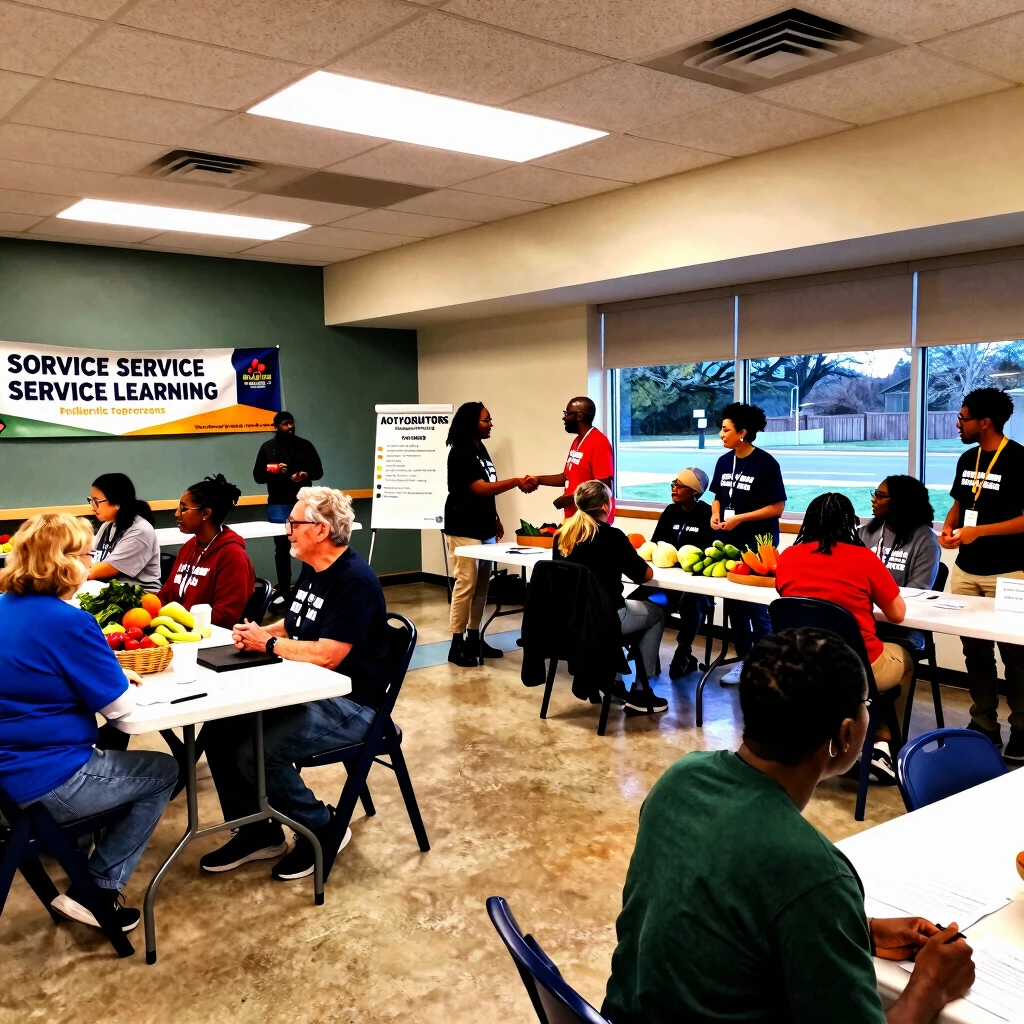
Challenges and How to Overcome Them
Not every application flies. Rejections sting, but they're learning ops. Budget constraints or mismatched goals often trip folks up.
From my runs, underestimating admin time is huge. Block hours for writing—it's 80% prep, 20% polish.
Diversity matters too. Ensure your project includes underrepresented voices; funders prioritize equity.
Finally, track impact post-funding. Photos, surveys, stories—these fuel future apps.
Wrapping It Up: Fuel Your Service Learning Journey
Service learning grants and funding unlock doors to transformative education. By tapping resources like FASLP and Grants.gov, you empower students to volunteer meaningfully and grow.
Remember the impact: stronger communities, sharper minds, lasting change. Start small, stay persistent, and watch your projects thrive. You've got this—now go fund that next big idea.