The Role of Advocacy in Modern Volunteering
Discover how advocacy has transformed volunteering in the 21st century, empowering individuals to drive real change through voice, action, and influence in causes like environment, politics, and community issues.
3 min read
Overview
In today's world, volunteering goes beyond hands-on tasks. Advocacy plays a key role, allowing volunteers to speak up for causes and push for lasting change. This shift makes modern volunteering more impactful and engaging.
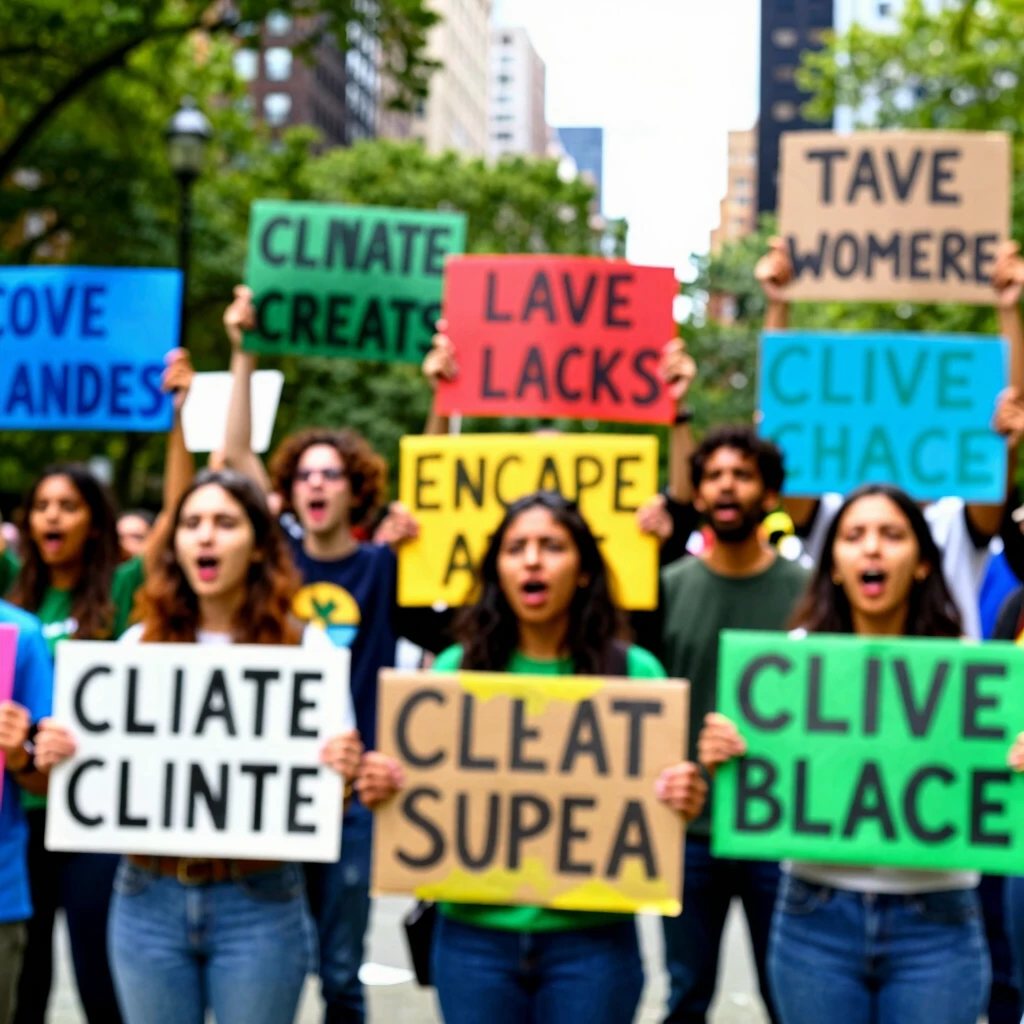
Volunteering has evolved a lot over the years. Gone are the days when it mostly meant showing up to sort donations or clean parks. Now, many volunteers focus on advocacy—using their voices to influence policies, raise awareness, and build support for important issues.
This change comes from a new kind of volunteer. As described in The New Breed: Understanding and Equipping the 21st Century Volunteer by Jonathan McKee and Thomas W. McKee, today's volunteers want flexible roles, meaningful impact, and a say in how things run. They don't just want to help; they want to make a real difference.
I remember my first experience with advocacy volunteering. A few years ago, I joined a local group fighting for better public parks. We didn't just plant trees—we wrote letters to city leaders, organized petitions, and spoke at council meetings. It felt powerful to see our efforts lead to real funding changes.
Why Advocacy Matters in Volunteering Today
Advocacy turns individual actions into broader movements. Volunteers advocate for everything from environmental protection to social justice.
Here are some key benefits:
- Amplifies Impact: One voice can reach thousands through social media or campaigns.
- Builds Skills: Volunteers learn public speaking, organizing, and leadership.
- Engages More People: It's flexible—anyone can sign a petition or share a post from home.
- Drives Policy Change: Many laws start with grassroots advocacy.

Organizations like Points of Light, the world's largest network dedicated to volunteer service, highlight how advocacy fits into modern efforts. They mobilize millions to address community challenges through both direct service and civic engagement, including advocacy activities.
Advocacy Volunteering in Political Campaigns
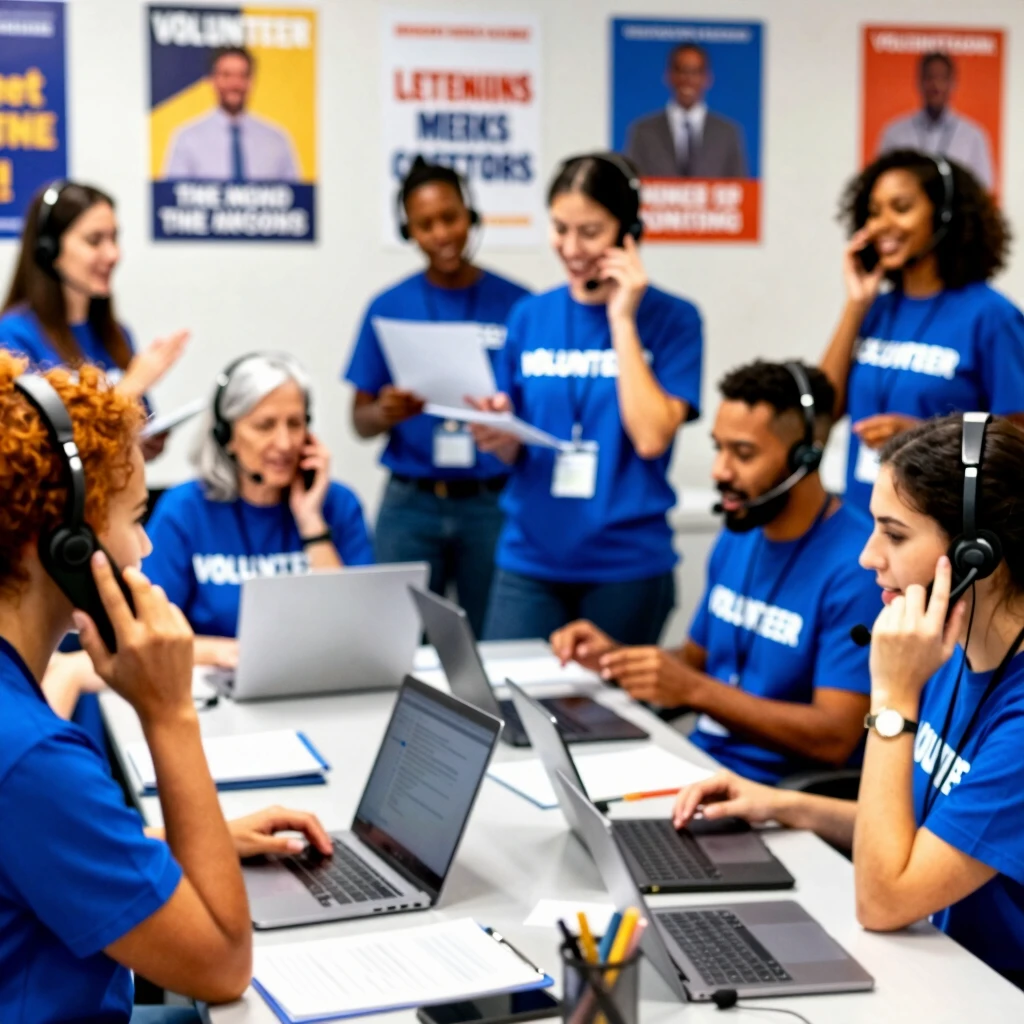
One clear example is advocacy volunteering in political campaigns. Volunteers make phone calls, knock on doors, and run social media drives to support candidates or issues.
Research from Tufts University's CIRCLE shows that nearly one-third of young people are actual or potential volunteers for political campaigns, representing millions ready to get involved. This kind of work helps shape elections and policies.
In political settings, volunteers often focus on voter outreach and issue advocacy. They educate communities and mobilize support, proving how powerful unpaid efforts can be.

Best Practices for Managing Advocacy Volunteers
Leading advocacy volunteers requires smart approaches. Draw from Volunteer Management: Best Practices for Campaign Coordinators ideas, like clear communication and empowerment.
Key tips include:
- Set Clear Goals: Explain how their advocacy fits the big picture.
- Provide Tools: Offer templates for emails, social posts, or petitions.
- Offer Training: Teach effective storytelling and outreach.
- Recognize Efforts: Celebrate wins, big or small.
- Be Flexible: Allow remote or short-term commitments.
AmeriCorps, the federal agency for service, supports programs that include advocacy elements, engaging hundreds of thousands in community improvement.
From my perspective, the best coordinators listen to volunteers. Let them suggest ideas—this builds ownership and keeps them motivated.
Challenges and How to Overcome Them
Advocacy isn't always easy. Burnout happens when progress feels slow. Opposition can discourage people too.
To counter this:
- Focus on small wins to build momentum.
- Create supportive communities for sharing experiences.
- Use data to show impact, like petition signatures or policy shifts.
Nonprofits and campaigns thrive when they blend traditional service with advocacy. It attracts passionate people who stay longer.
Getting Started with Advocacy Volunteering
Ready to try it? Start small:
- Join an online petition.
- Share posts about a cause you care about.
- Contact your local representatives on an issue.
- Volunteer for a campaign or nonprofit focused on change.
Every action counts and builds toward bigger results.
Summary
The role of advocacy in modern volunteering is central. It empowers people to create systemic change, not just temporary fixes. By speaking up and organizing, volunteers today drive progress in ways that fit busy lives. Embrace advocacy—it's where real transformation happens.