The Role of Data in Advocacy Success: A Guide to Impactful Campaigns
Discover how data drives advocacy success. Learn practical steps to start an advocacy campaign, leverage volunteer efforts, and use data to amplify your impact. This comprehensive guide offers actionable insights for creating meaningful change.
4 min read

Overview
Data is the backbone of successful advocacy. By using data to understand issues, engage volunteers, and measure impact, advocates can create campaigns that resonate and drive change. This article explores The Role of Data in Advocacy Success, offering practical steps to start and sustain effective advocacy campaigns.
Why Data Matters in Advocacy
Advocacy is about creating change—whether it’s influencing policy, raising awareness, or mobilizing communities. But without data, advocacy can feel like shouting into the void. Data provides the evidence needed to make your case compelling and credible. It helps you understand the problem, target the right audience, and measure your progress.
For example, when I volunteered with a local environmental group, we used data to show how pollution levels affected specific neighborhoods. This wasn’t just numbers on a page—it was proof that rallied residents and convinced lawmakers to act. Data turns stories into undeniable facts.

How Data Shapes Advocacy Campaigns
Data isn’t just for scientists or analysts—it’s a tool anyone can use to strengthen advocacy. Here’s how it plays a critical role:
- Understanding the Issue: Data helps you define the problem. For instance, if you’re advocating for better healthcare access, data on hospital wait times or uninsured rates can highlight the urgency.
- Identifying Your Audience: Knowing who to target is key. Data like demographics or survey results can show who cares about your cause and how to reach them.
- Crafting Your Message: Numbers make your message stick. A statistic like “1 in 5 children face food insecurity” is more powerful than vague claims.
- Measuring Success: Data tracks your impact. Are more people signing your petition? Are policies changing? Numbers tell the story.
How to Start an Advocacy Campaign
Starting an advocacy campaign can feel overwhelming, but breaking it down into steps makes it manageable. Here’s a clear roadmap to get you started:
- Define Your Goal: What change do you want to see? Be specific. Instead of “improve education,” aim for “increase funding for after-school programs by 10%.”
- Gather Data: Research the issue. Look for credible sources like government reports, academic studies, or nonprofit data. For example, the Pew Research Center offers reliable statistics on social issues.
- Build a Team: Recruit volunteers who share your passion. Use data to show them why the cause matters. I once convinced a friend to join a campaign by sharing a single stat: “Our city’s air quality is 30% worse than the national average.”
- Create a Plan: Outline your strategy, including timelines, target audiences, and key messages. Use data to set realistic goals.
- Engage and Act: Spread your message through events, social media, or petitions. Data-driven visuals, like infographics, can boost engagement.
- Track Progress: Use metrics like volunteer turnout or petition signatures to measure success and adjust your approach.
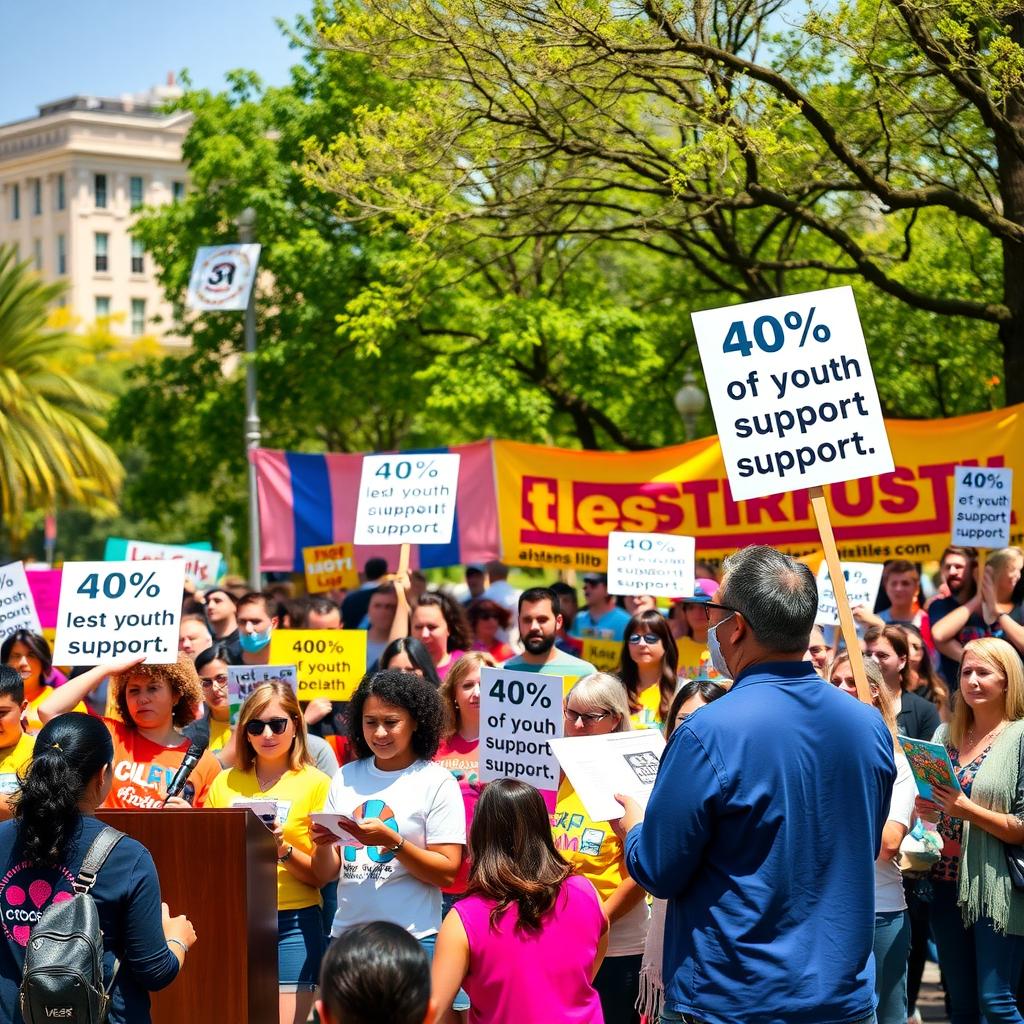
The Power of Volunteers in Data-Driven Advocacy
Volunteers are the heart of any advocacy campaign, and data can make their efforts more effective. When volunteers understand the numbers behind a cause, they’re more motivated to act. For example, in a campaign I worked on to reduce homelessness, we shared data showing that 20% of our city’s homeless population were veterans. This sparked a wave of volunteer support from local veteran groups.
Here’s how to empower volunteers with data:
- Train Them: Teach volunteers how to interpret and share data. Simple tools like Google Sheets or free visualization platforms can help.
- Assign Data Tasks: Have volunteers collect data through surveys or community feedback. This makes them feel involved and provides fresh insights.
- Celebrate Wins: Share data on campaign milestones, like “500 signatures collected!” to keep volunteers energized.
Tools for Data-Driven Advocacy
You don’t need to be a data expert to use it effectively. Here are some accessible tools to support your campaign:
| Tool | Purpose | Example Use |
|---|---|---|
| Google Sheets | Organize and analyze data | Track volunteer hours or petition signatures |
| Canva | Create data visualizations | Design infographics for social media |
| SurveyMonkey | Collect community feedback | Gauge public support for your cause |
| Tableau Public | Build interactive dashboards | Show trends in local issues |
These tools are user-friendly and often free, making them perfect for grassroots campaigns. I’ve used Canva to create infographics that turned dry stats into eye-catching visuals, doubling our campaign’s social media shares.

Challenges and Solutions in Using Data
Data isn’t a magic bullet—it comes with challenges. Here are common hurdles and how to overcome them:
- Data Overload: Too much data can overwhelm you. Focus on a few key metrics that align with your goal.
- Access to Data: Not all data is free or easy to find. Check local government websites or partner with universities for access.
- Misinterpretation: Misreading data can harm your credibility. Double-check sources and consult experts if needed.
When I started advocating for cleaner parks, I struggled to find reliable data on litter levels. Partnering with a local college’s environmental club gave us access to their research, which strengthened our campaign.
Real-World Examples of Data-Driven Advocacy
Data has powered some of the most successful advocacy campaigns. For instance, the #MeToo movement used survivor stories paired with data on workplace harassment to spark global change. Similarly, climate advocacy groups like 350.org rely on data about carbon emissions to push for policy reform.
In my own experience, a campaign to improve local bus routes succeeded because we presented data showing that 60% of low-income residents relied on public transit. This convinced city officials to add new routes. Data doesn’t just inform—it persuades.
Summary
The Role of Data in Advocacy Success cannot be overstated. From defining your cause to rallying volunteers, data provides the clarity and credibility needed to make an impact. By following the steps to start an advocacy campaign and using tools to harness data, anyone can drive meaningful change. Start small, stay focused, and let data guide your path to success.