The Role of Reflection in Service Learning
Explore the role of reflection in service learning, its benefits, challenges, and best practices for enhancing student engagement and skill development.
4 min read

Service learning blends community service with classroom learning, and reflection is what makes it special. It’s not just about helping out—it’s about thinking deeply about the experience and connecting it to what you study. Reflection boosts learning, builds skills, and helps students grow. This article dives into the role of reflection in service learning, its benefits, and how it works in action.
Overview
Service learning combines hands-on community work with academic goals. Reflection is the key that turns service into a learning experience. It helps students process what they’ve done, link it to their studies, and grow personally and professionally. Here, we’ll explore how reflection shapes service learning and why it matters.


Types of Reflection Activities
There are various ways to incorporate reflection into service learning courses. The choice of activity depends on the course objectives, the nature of the service, and the students' needs. Here are some common reflection methods:
- Journaling: Students write regular entries about their service experiences, focusing on their thoughts, feelings, and insights. Journaling allows for personal reflection and can be structured with prompts to guide students.
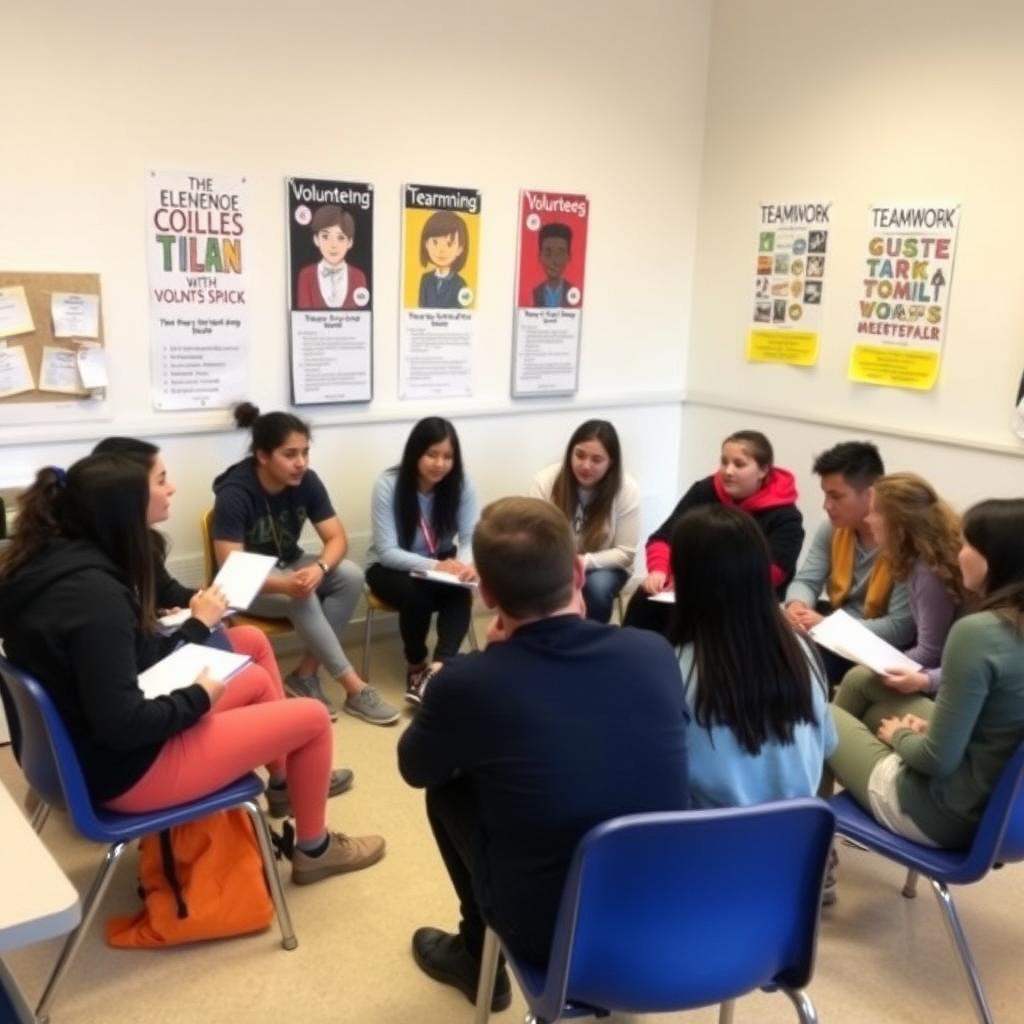
- Group Discussions: Facilitated discussions encourage students to share their experiences, listen to others, and explore different perspectives. This method promotes dialogue and collective learning.
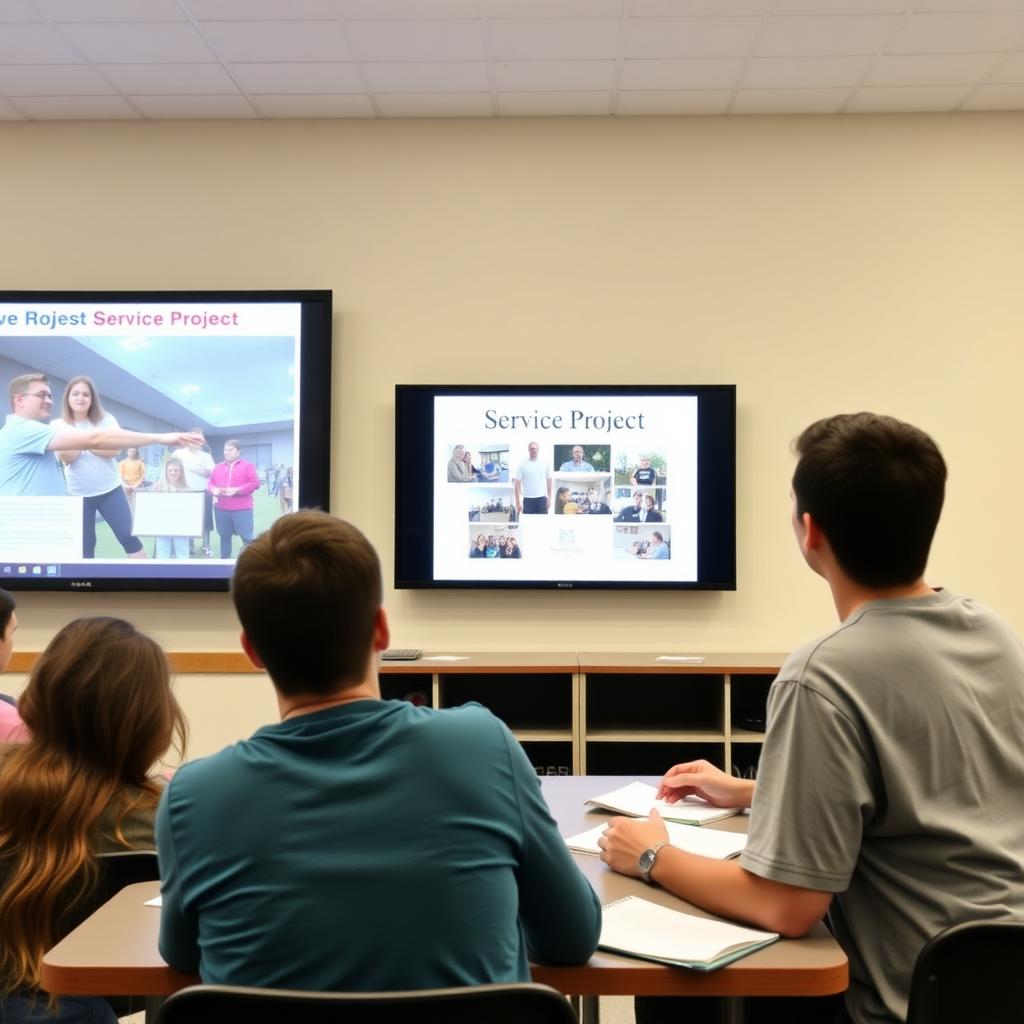
- Presentations: Students present their service projects to the class, explaining what they did, what they learned, and how it relates to the course. Presentations help students articulate their experiences and practice communication skills.
- Creative Projects: Activities like creating artwork, videos, or portfolios allow students to express their reflections in non-traditional ways. This can be particularly effective for students who find writing challenging.
Benefits of Reflection in Service Learning
Reflection offers numerous benefits that enhance the service learning experience. It not only deepens academic understanding but also promotes personal and professional growth. Here are some key benefits:
- Enhanced Learning: Reflection helps students connect their service experiences to course content, reinforcing academic concepts. It encourages critical thinking and allows students to see the practical application of their studies.
- Skill Development: Through reflection, students develop essential skills such as communication, problem-solving, and leadership. For example, group discussions can improve interpersonal skills, while presentations enhance public speaking abilities.
- Personal Growth: Reflection encourages self-awareness and empathy. Students gain a better understanding of their values, strengths, and areas for improvement. It also fosters a sense of social responsibility and community engagement.
- Professional Development: Reflection can help students identify career interests and develop professional skills. It provides opportunities to practice skills like project management and teamwork, which are valuable in the workplace.
Challenges and Best Practices in Implementing Reflection
While reflection is crucial, implementing it effectively can be challenging. Common obstacles include time constraints, student resistance, and lack of structure. Here are some best practices to overcome these challenges:
- Provide Clear Guidelines: Give students specific prompts or questions to guide their reflection. This helps them focus on key aspects of their experience and ensures they connect it to course content.
- Make It Regular: Incorporate reflection throughout the service learning experience, not just at the end. Regular reflection allows students to track their progress and deepen their understanding over time.
- Offer Multiple Formats: Use a variety of reflection methods to cater to different learning styles. Some students may prefer writing, while others might excel in group discussions or creative projects.
- Create a Safe Space: Encourage open and honest reflection by creating a supportive environment. Emphasize that reflection is about learning and growth, not judgment.
Funding and Grants for Service Learning
Funding is essential for sustaining service learning programs and supporting reflection activities. Several organizations provide grants specifically for service learning initiatives. Here are some top service learning grant providers:
- Corporation for National and Community Service: Offers grants through programs like Learn and Serve America, which supports service learning in schools and communities.
- Campus Compact: Provides funding and resources to higher education institutions for service learning and civic engagement projects.
- Youth Service America: Offers grants to youth-led service projects, including those that incorporate reflection and skill development.
These grants can fund materials, transportation, and stipends for community partners, ensuring that service learning programs are well-resourced. They also support the development of reflection activities, such as workshops and training for facilitators.
Summary
Reflection is the cornerstone of service learning, transforming community service into a powerful educational experience. It helps students connect their service to academic concepts, develop critical skills, and grow personally and professionally. By incorporating structured reflection activities, educators can enhance the impact of service learning and foster a deeper understanding of civic responsibility.
For those interested in exploring this topic further, here are some recommended readings: - "The Role of Reflection in Service Learning" by Indiana University - "Skills Development through Volunteering: A Case Study" by University of Minnesota - "How Service Learning Boosts Student Skills" by Campus Compact
These resources provide additional insights into the transformative power of reflection in service learning and offer practical guidance for educators and students alike.