The Role of Service Learning in Education
Explore the transformative role of service learning in education, focusing on community partnerships and funding strategies.
4 min read
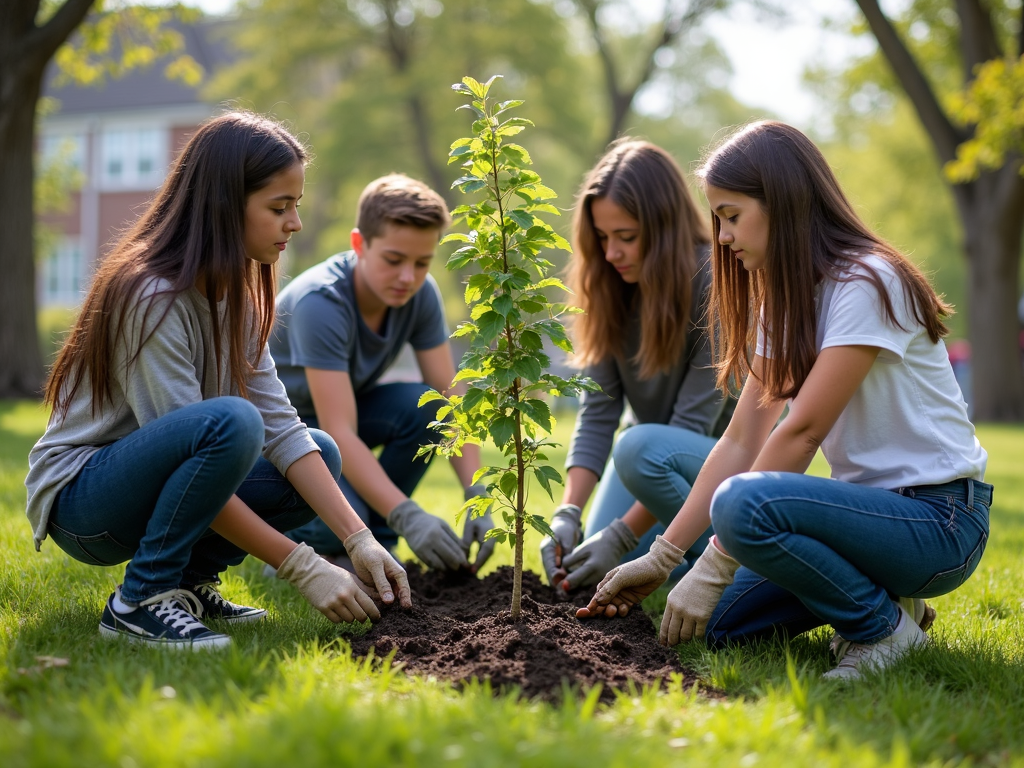
Service learning is a teaching method that combines classroom learning with community service. It helps students apply what they learn in school to real-world problems, making education more meaningful and impactful.

Service learning is more than just a teaching method—it’s a way to make education relevant and impactful. By connecting classroom learning with community service, students gain practical skills, deepen their understanding, and develop a sense of civic responsibility. Building strong community partnerships, understanding how to implement service learning, and securing funding are all crucial steps in making these projects successful. When done right, service learning can transform education and communities alike.
What Is Service Learning and Why It Matters
Service learning is a hands-on way to teach. Students don’t just read about ideas—they live them by helping their communities. Think of it as learning by doing. For example, instead of only studying pollution in science class, students might clean up a local park and test soil samples. This approach ties schoolwork to life beyond the classroom.
I’ve seen this work wonders. Years ago, I watched middle schoolers build a community garden. They learned math by measuring plots, science by studying plants, and teamwork by working together. By the end, they weren’t just proud of their garden—they understood why their efforts mattered. That’s the power of service learning.
It’s not just for students, either. Communities gain from the help, and teachers see kids light up with purpose. Studies, like those from the National Service-Learning Clearinghouse, show students involved in these projects often do better in school and feel more connected to their neighborhoods.
Benefits at a Glance
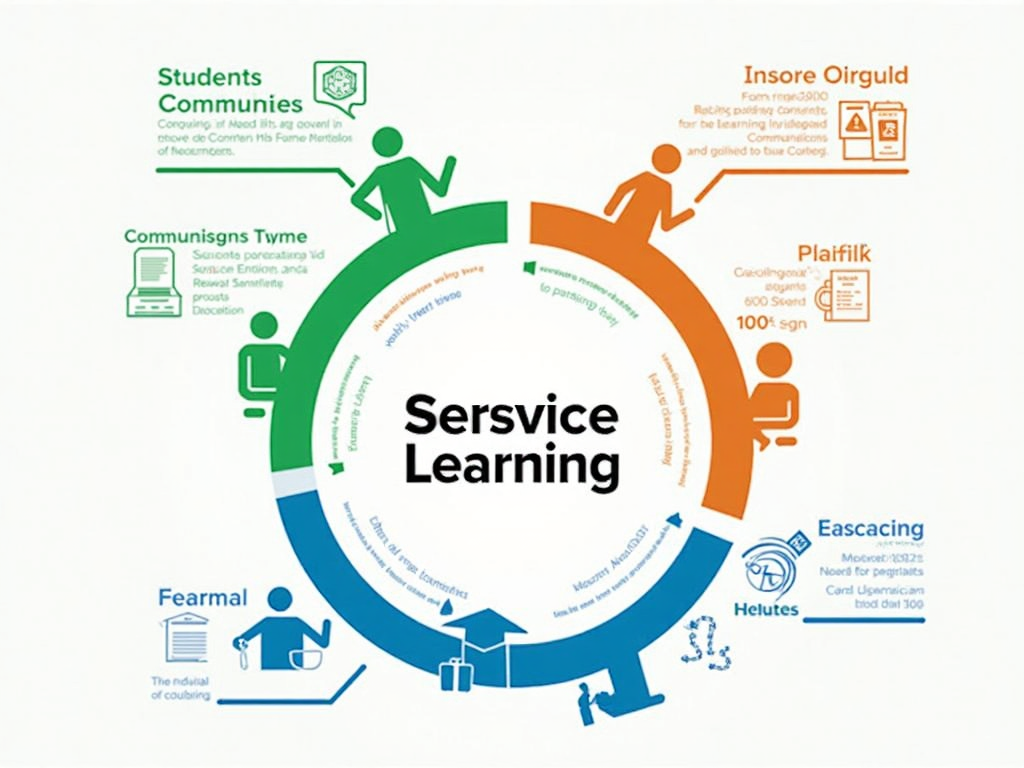
- Students: Gain practical skills, confidence, and a sense of responsibility.
- Communities: Get real solutions to local problems.
- Educators: See higher engagement and motivation in class.
How to Build Strong Community Partnerships
Service learning doesn’t happen in a vacuum. It needs solid ties with community groups. These partnerships make projects possible and keep them running smoothly.
Start by finding organizations that match your goals. Teaching history? Connect with a local museum. Science? Try a nature center. The trick is picking partners whose work fits your lessons. Then, reach out. A simple email or phone call can kick things off.
Building trust is next. Be upfront about what you want and what you can give. Maybe your students can volunteer, and the group offers resources or expertise in return. I once saw a school team up with a homeless shelter. The kids organized a clothing drive while learning about social issues. The shelter provided guest speakers. Both sides won.
Keep the lines open. Check in regularly, share updates, and ask for feedback. Strong partnerships grow from respect and communication.
Steps to Partner Up
- Identify groups tied to your subject.
- Reach out with a clear pitch.
- Offer something valuable—like student help.
- Stay in touch to keep the bond strong.
Understanding Service Learning: A Guide for Educators
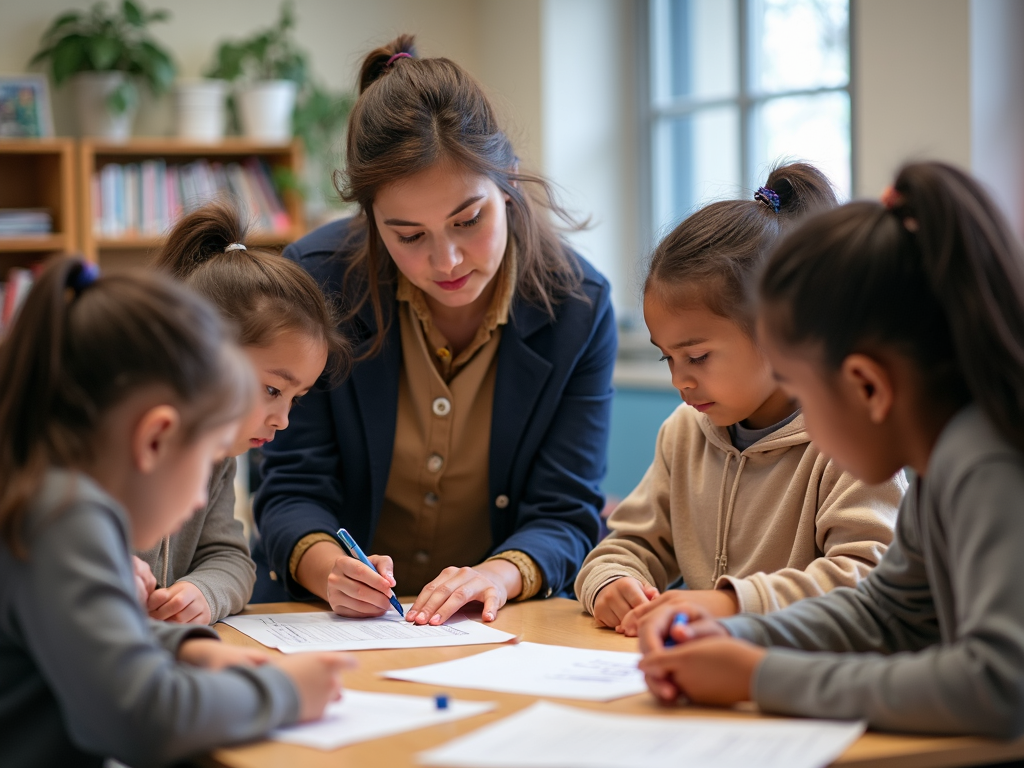
If you’re a teacher, service learning might sound daunting. But it’s easier than you think. You don’t need to rewrite your whole playbook—just add a project that fits what you already teach.
Pick a topic your students care about. Maybe it’s animal welfare or clean water. Then, tie it to your lessons. In English class, they could write letters to raise awareness. In math, they might budget a fundraiser. The key is making it relevant.
Get students involved early. Let them brainstorm ideas or pick tasks. When I taught, my class decided to help a local animal shelter. They chose to make posters and collect donations. Giving them ownership kept them excited.
Afterward, talk it out. Ask what they learned and how they felt. This step locks in the lessons. One student told me she never realized how much math went into planning a supply drive. That’s when I knew it clicked.
Quick Tips for Teachers
- Start small with one project.
- Match it to your curriculum.
- Let students lead where they can.
- Reflect together at the end.
For more, check out our guide on starting service learning projects.
How to Write a Winning Grant Proposal for Service Learning Projects
Money can be a roadblock. Supplies, transportation, tools—they add up. That’s where service learning grants and funding come in. A good grant proposal can unlock the cash you need.
First, hunt for grants. Look at Grants.gov or local education boards. Some focus on service learning, others on youth or community work. Narrow it down to ones that fit your project.
Writing the proposal is the big step. Keep it simple. Say what your project is, why it matters, and how you’ll pull it off. Numbers help—maybe “50 students will serve 200 meals.” I helped a school win $5,000 once by showing how their project would boost reading scores and stock a library for kids in need.
Be real about costs and goals. Grant reviewers spot fluff a mile away. End with passion—show why this matters to you and your students.
Grant Writing Checklist
| Step | Action |
|---|---|
| Research | Find grants that match your needs. |
| Purpose | Explain the project’s impact. |
| Plan | Detail how it’ll work. |
| Budget | List costs clearly. |
| Passion | Show why it’s worth funding. |
Need more help? See our grant writing tips.
Bringing It All Together
Service learning isn’t just another task for educators—it’s a game-changer. It turns lessons into action, builds bridges with communities, and shows students their work has purpose. With the right partnerships, a clear plan, and some funding, any school can make it happen. The payoff? Kids who are ready for the world and communities that thrive because of it.
For deeper dives, explore our full service learning resources.
Recommended Readings
- "Service Learning: A Practical Guide for Teachers"
- "Community Partnerships in Education: A Handbook"
- "Grant Writing for Educators: Tips and Strategies"
- "The Impact of Service Learning on Student Achievement"
- "Funding Your Service Learning Project: A Step-by-Step Guide"