The Role of Social Media in Advocacy: Amplifying Voices for Change
Explore how social media transforms advocacy by connecting communities, amplifying voices, and driving real-world change. Learn from success stories of advocacy volunteers and discover actionable strategies to harness the power of community advocacy effectively.
4 min read
Overview
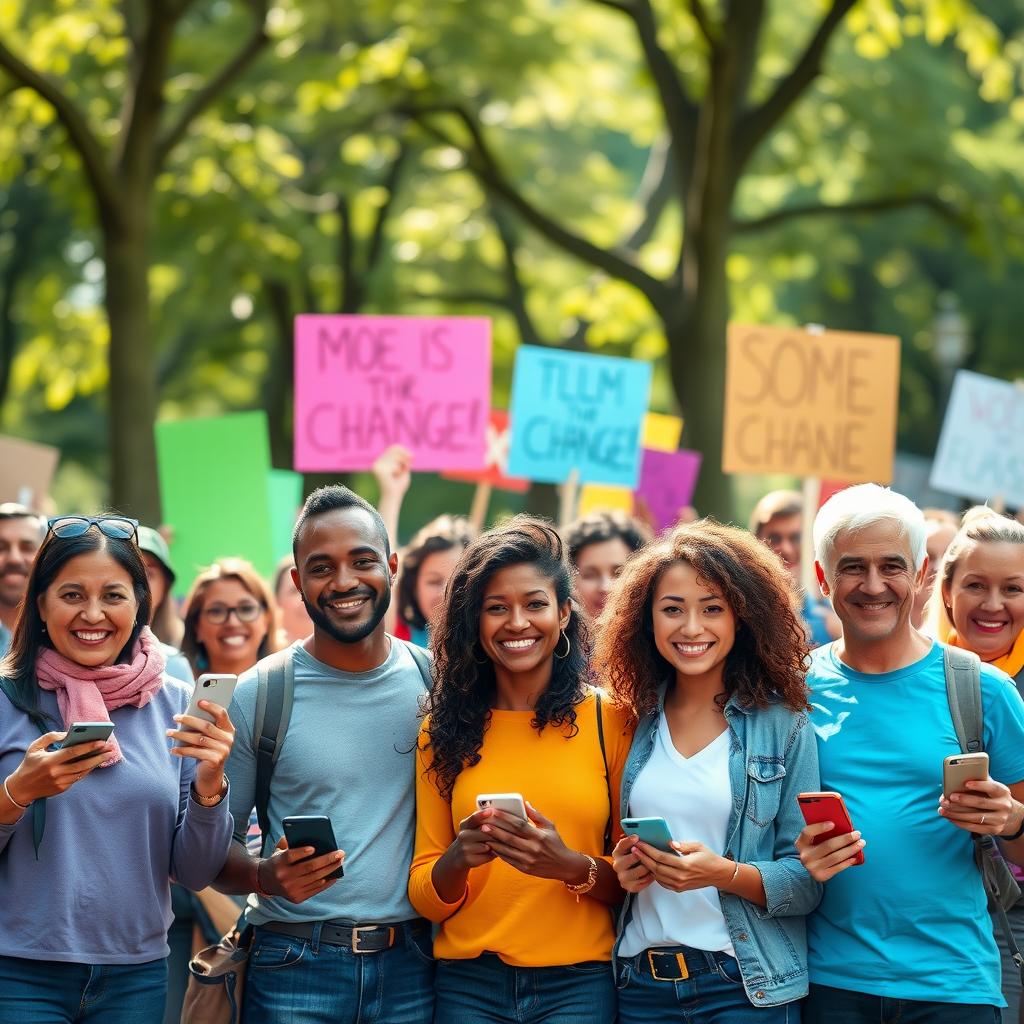
Social media has become a game-changer in advocacy, giving everyday people a platform to share their stories and push for change. From raising awareness to mobilizing communities, it’s a tool that amplifies voices like never before. This article dives into The Role of Social Media in Advocacy, exploring its power, sharing success stories of advocacy volunteers, and offering practical tips for making an impact.
Why Social Media Matters in Advocacy
Advocacy used to rely on rallies, letters, or face-to-face meetings. While those still matter, social media has opened new doors. Platforms like Twitter, Instagram, and TikTok let advocates reach millions instantly. A single post can spark a movement, connect like-minded people, and even influence policy. The Power of Community Advocacy shines here—when individuals unite online, their collective voice becomes unstoppable.
Take hashtags, for example. They organize conversations and make it easy for people to find and join causes. Think #BlackLivesMatter or #MeToo—these movements grew because social media gave them a space to spread fast. According to a 2023 Pew Research study, 70% of Americans say social media is a key tool for activism. It’s not just about posting; it’s about building communities that drive real-world action.

How Social Media Amplifies Advocacy
Social media’s strength lies in its reach and speed. Here’s how it transforms advocacy:
- Instant Reach: A post can go viral in hours, spreading a message globally.
- Low Cost: Anyone with a phone and internet can advocate—no budget needed.
- Engagement: Likes, shares, and comments create a feedback loop that keeps momentum going.
- Storytelling: Personal stories resonate deeply, making issues relatable and urgent.
For example, when Greta Thunberg started posting about climate change, her simple, honest messages inspired millions. Her story shows how one voice, amplified online, can ignite The Power of Community Advocacy. Volunteers can now connect across borders, share resources, and plan actions without ever meeting in person.
Success Stories of Advocacy Volunteers
Real people have used social media to create change. Let’s look at a few inspiring examples:
Malala Yousafzai
Malala’s fight for girls’ education gained global attention through social media. Her Twitter posts and YouTube videos shared her story, rallying support for education access worldwide. Today, the Malala Fund uses platforms like Instagram to highlight stories of young women, proving how success stories of advocacy volunteers inspire others.
The Sunrise Movement
This youth-led climate group uses TikTok and Twitter to mobilize volunteers. Their creative videos, like dance challenges tied to climate messages, have engaged millions. In 2020, their campaigns helped push U.S. policymakers to prioritize green policies. Their success shows how volunteers can turn passion into action online.
Local Heroes
In 2024, a group of volunteers in Atlanta used Instagram to raise awareness about food insecurity. By sharing stories of families and organizing donation drives, they provided meals to over 2,000 people in six months. These volunteers didn’t need big budgets—just smartphones and a cause.

Strategies for Effective Social Media Advocacy
Want to make a difference? Here are practical tips to harness The Role of Social Media in Advocacy:
| Strategy | Description | Example |
|---|---|---|
| Share Personal Stories | Connect emotionally with your audience. | Post a short video about why a cause matters to you. |
| Use Hashtags | Organize your message and reach wider audiences. | Create or join a hashtag like #ClimateActionNow. |
| Engage Consistently | Post regularly to keep your cause visible. | Share weekly updates on your advocacy progress. |
| Collaborate | Partner with influencers or groups to amplify your message. | Tag organizations with similar goals in your posts. |
| Call to Action | Encourage followers to act—donate, sign petitions, or attend events. | End posts with clear steps, like “Sign this petition today!” |
These strategies work because they’re simple and human. People connect with authenticity, not polished ads. For instance, a 2022 study by Sprout Social found that 64% of users trust brands or advocates who share real, unfiltered content. Be real, and your audience will listen.
Challenges of Social Media Advocacy
It’s not all smooth sailing. Social media advocacy has hurdles:
- Misinformation: False info can spread faster than truth. Always fact-check before sharing.
- Trolls and Harassment: Advocates often face online hate. Block, report, and focus on your message.
- Algorithm Dependence: Platforms prioritize paid content, so organic reach can be tough. Posting at peak times (like evenings) can help.
- Burnout: Constant posting can exhaust volunteers. Schedule posts or take breaks to stay energized.
Despite these challenges, the rewards are worth it. Every share, comment, or like can bring your cause closer to its goal.

The Power of Community Advocacy
At its core, advocacy thrives on community. Social media makes it easier to build one. Whether it’s a local group fighting for cleaner parks or a global movement for human rights, platforms connect people who care. Volunteers don’t need to be experts—they just need passion and a willingness to share.
For example, during the 2023 Australian bushfires, volunteers used Facebook to coordinate relief efforts. They shared updates, organized fundraisers, and delivered supplies to affected areas. This shows how The Power of Community Advocacy turns individual efforts into collective impact.
To get started, find a cause you care about. Join online groups, follow relevant hashtags, and share your voice. Even small actions, like retweeting a petition, can make a difference.
Summary
Social media has redefined advocacy, making it accessible, fast, and powerful. From success stories of advocacy volunteers like Malala to grassroots efforts in local communities, platforms empower people to drive change. By sharing authentic stories, using smart strategies, and building communities, anyone can become an advocate. The key is to stay genuine, engage consistently, and never underestimate The Power of Community Advocacy. Start small, stay focused, and watch your impact grow.