The Role of Volunteers in Political Campaigns: A Comprehensive Guide
Explore the vital contributions of volunteers in political campaigns, from grassroots efforts to voter turnout. This guide covers key roles, benefits, and tips for getting involved in advocacy volunteering in political campaigns.
3 min read
Overview
Volunteers form the backbone of successful political campaigns. They bring energy, reach, and authenticity that money alone can't buy. In this comprehensive guide, we dive into the role of volunteers in political campaigns and show how volunteer work benefits campaigns and individuals alike.
Political campaigns thrive on people power. Without dedicated volunteers, many candidates would struggle to connect with voters on a personal level. From local races to national elections, volunteers handle essential tasks that drive success.
I've seen this firsthand. In one local campaign I supported, a small team of volunteers knocked on thousands of doors. Their efforts helped turn undecided voters into supporters and boosted turnout on election day.
Why Volunteers Matter
Volunteers extend a campaign's limited resources. Paid staff focus on strategy, but volunteers provide the grassroots muscle needed for direct voter contact.
Studies show that face-to-face conversations are one of the most effective ways to persuade voters. Volunteers make these interactions possible at scale.
They also build trust. People often listen more to neighbors or community members than to ads or paid callers.
Key Roles for Volunteers
Volunteers take on a variety of tasks. Here are some common ones:
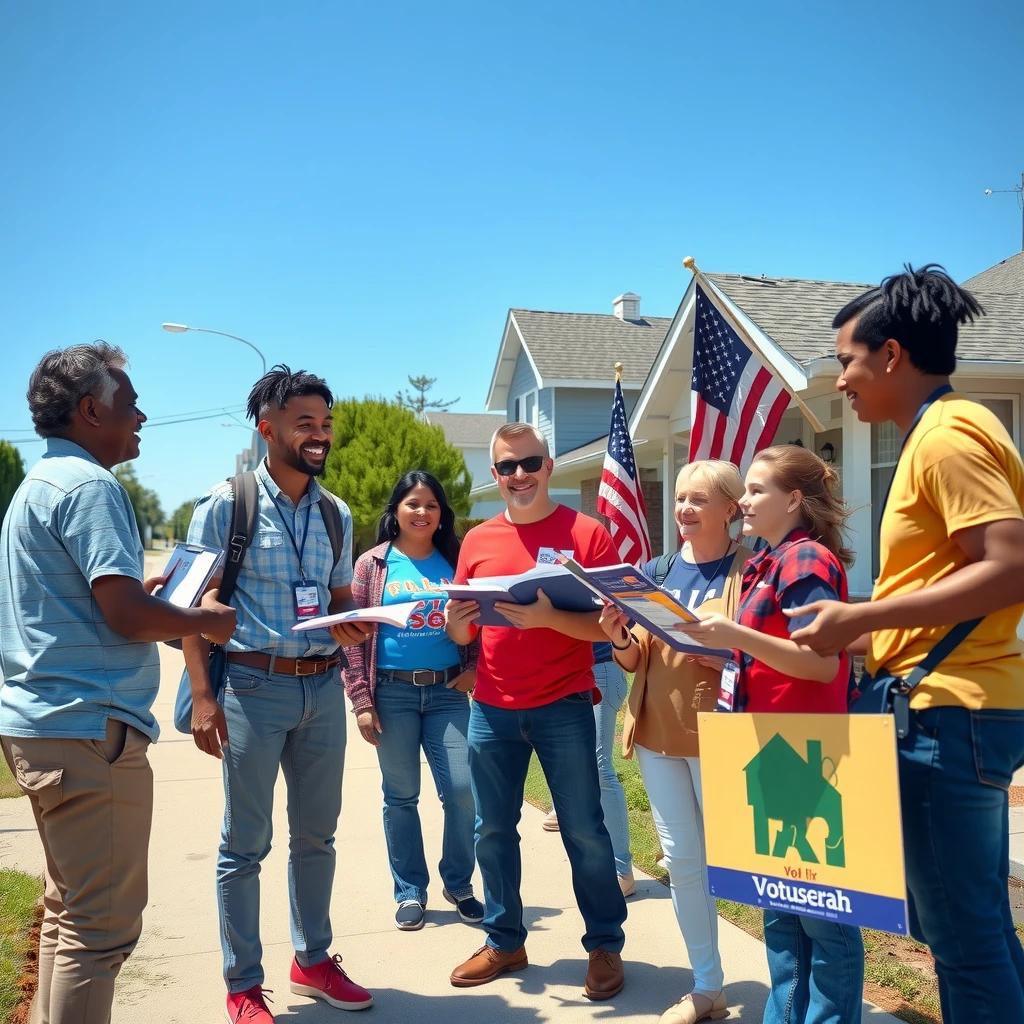
- Canvassing: Knocking on doors to talk about the candidate and issues.
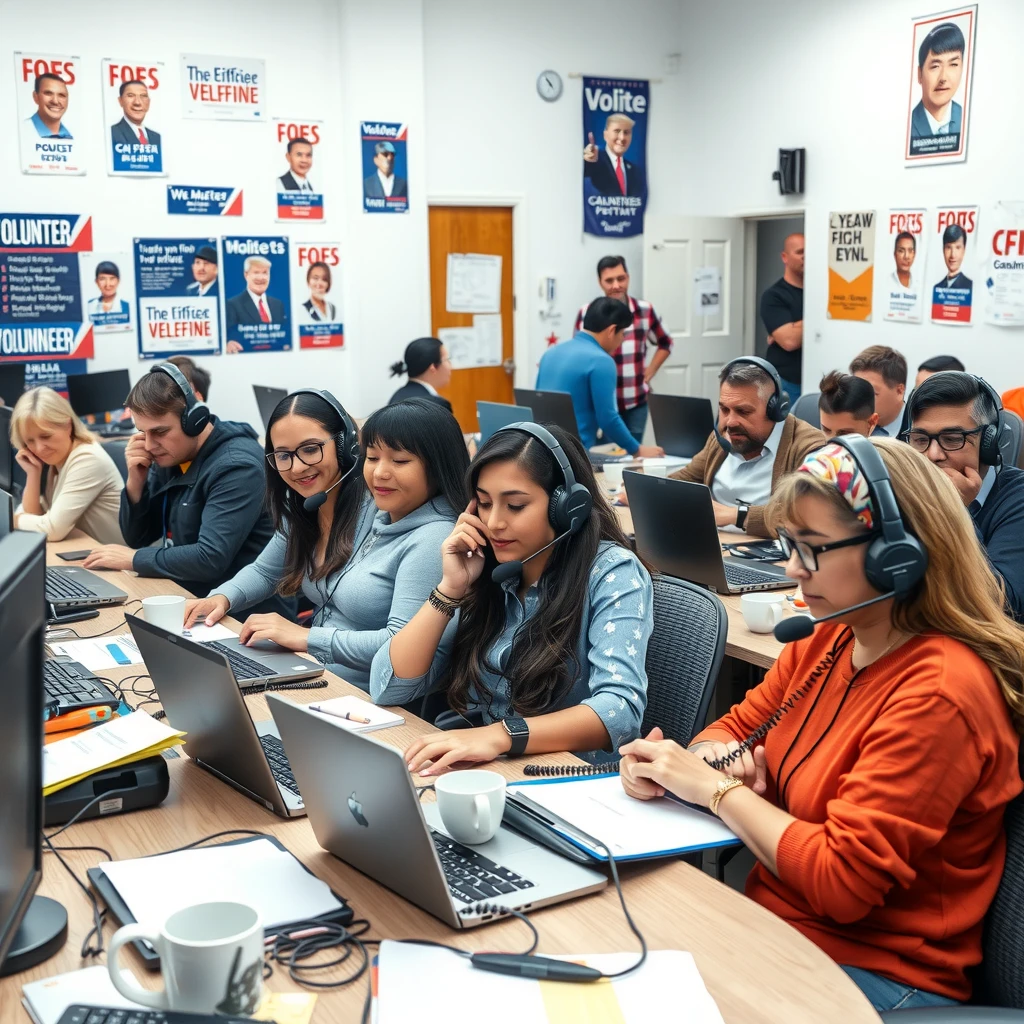
- Phone Banking: Calling voters to remind them to vote or share information.
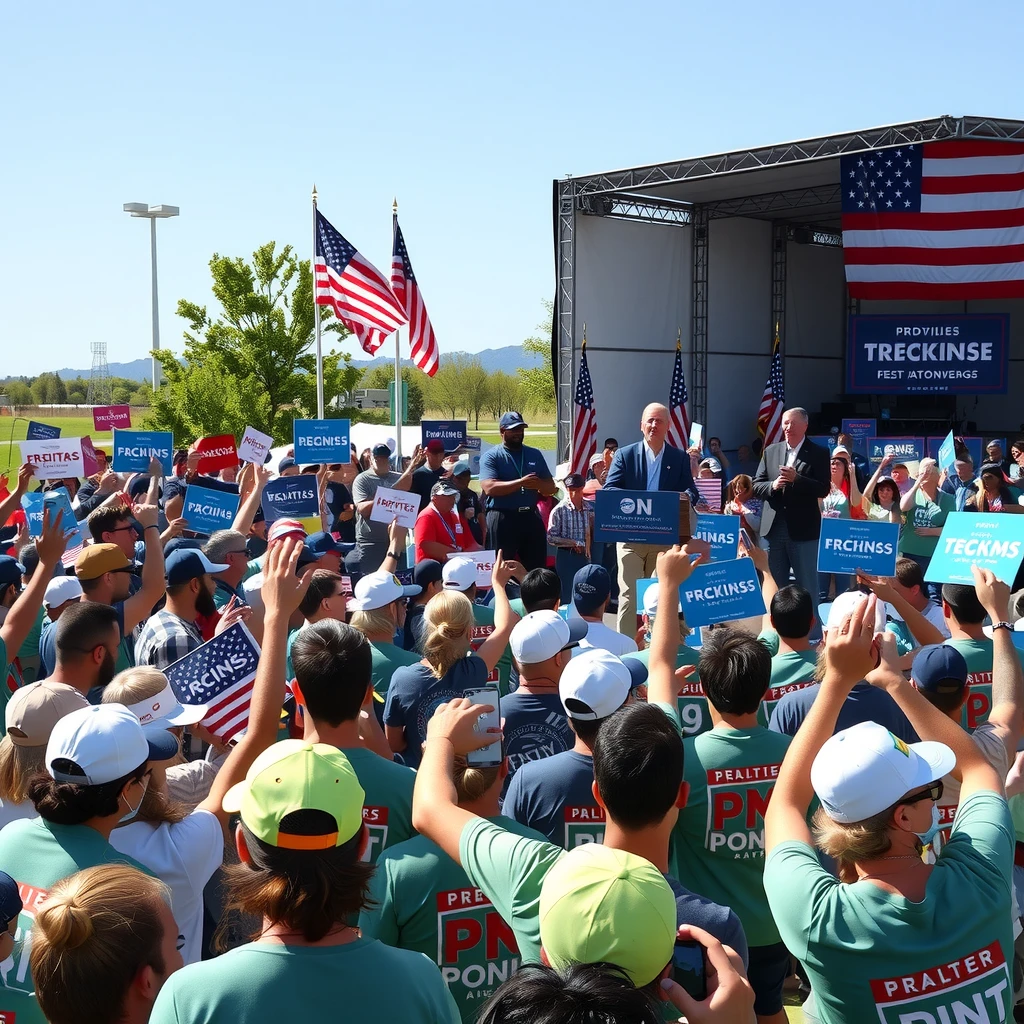
- Event Support: Helping at rallies, town halls, or fundraisers.
- Data Entry: Updating voter lists and tracking contacts.
- Social Media: Sharing posts and engaging online supporters.
In advocacy volunteering in political campaigns, volunteers often focus on specific issues like education or healthcare reform.
Many campaigns also need help with voter registration drives and get-out-the-vote (GOTV) efforts on election day.

How Volunteer Work Benefits Campaigns
Volunteer efforts directly impact results. They increase voter turnout, which can decide close races.
Volunteers save money. Campaigns stretch budgets further by relying on free labor for labor-intensive tasks.
They spread authentic messages. A volunteer's passion convinces others more than scripted ads.
In one campaign, volunteers organized community events that drew hundreds of new supporters who might never have attended otherwise.
Benefits for Volunteers
Joining a campaign builds skills and connections.
Personal Growth
You gain confidence in public speaking, learn organization skills, and understand how government works up close.
Networking
Many volunteers meet future leaders or land jobs in politics or related fields.
Community Impact
You help shape policies that affect your life and others.
As one volunteer shared, "It felt great knowing my efforts helped elect someone who fights for issues I care about."
Tips for Effective Volunteering
Start by finding a campaign that matches your values. Visit candidate websites or use platforms like Mobilize.us to sign up.
Be reliable. Show up on time and follow through on commitments.
Listen more than talk during voter contacts. People appreciate feeling heard.
Stay positive, even when facing rejection. Not every conversation goes perfectly.
Use this table for common volunteer activities and time commitments:
| Activity | Time Needed | Skills Used |
|---|---|---|
| Door-to-Door Canvassing | 2-4 hours/shift | Communication, Walking |
| Phone Banking | 1-3 hours/shift | Talking, Data Entry |
| Event Help | Varies | Organization, Energy |
| Social Media | Flexible | Writing, Tech Skills |
| Data Entry | Flexible | Attention to Detail |
Challenges and How to Overcome Them
Volunteering can be tiring. Long hours and emotional ups and downs are common.
Campaigns should provide training and support. Good ones offer scripts, snacks, and debriefs.
Burnout happens, so pace yourself. Even a few hours a week make a difference.
Respect rules. Follow laws on campaign finance and voter contact, as outlined by the Federal Election Commission (fec.gov).
The Future of Volunteer Advocacy
Technology changes things. Now, volunteers text voters or manage online ads from home.
But personal connections remain key. Advocacy volunteering in political campaigns will always need people who care enough to show up.
Final Thoughts
Volunteers drive real change in democracy. Whether you're new or experienced, your time as a volunteer matters.
Get started today. Find a cause, sign up, and join the effort. The role of volunteers in political campaigns is irreplaceable – and rewarding.