The Role of Social Media in Environmental Advocacy
Explore how social media fuels environmental advocacy, empowering volunteers and amplifying global conservation efforts. Learn actionable ways to engage in advocacy, from sharing impactful content to organizing volunteer activities, and discover the power of digital platforms in driving real-world change.
4 min read
Overview
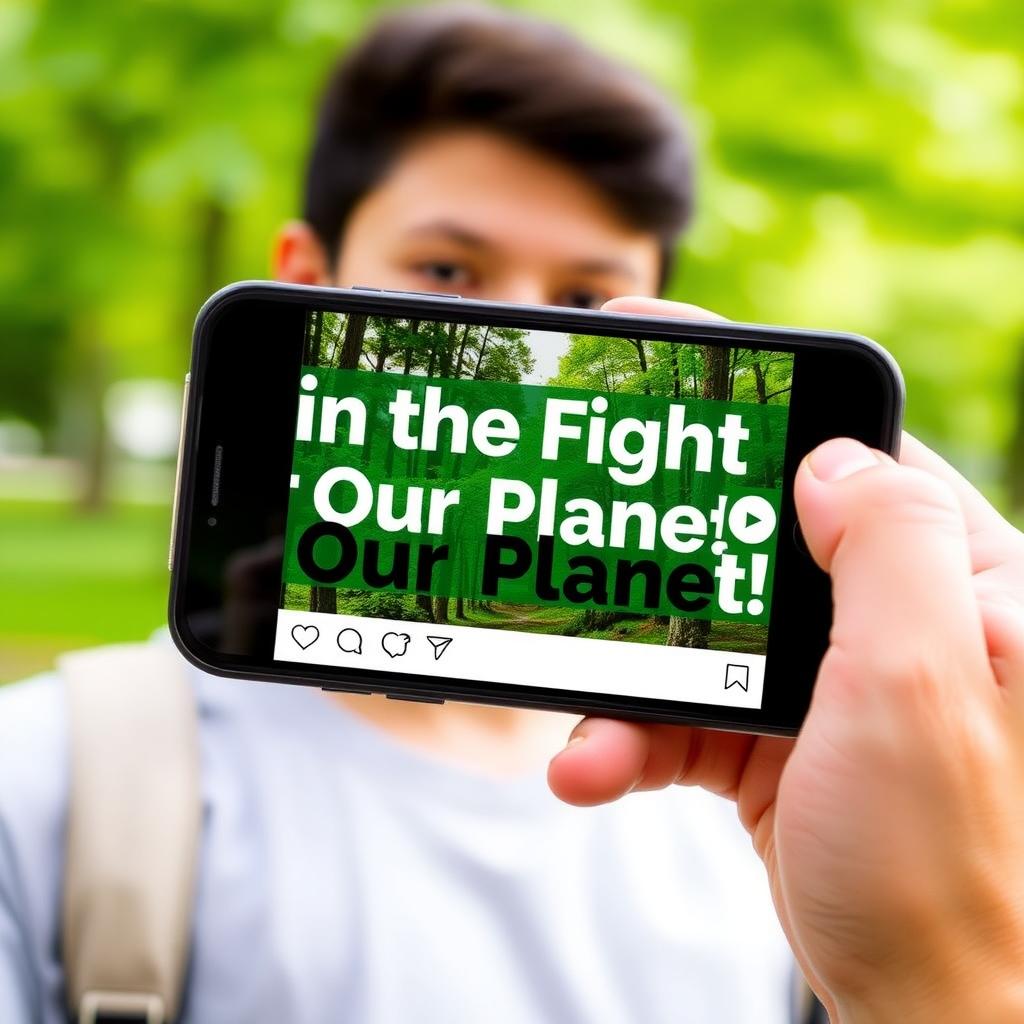
Social media has transformed how we connect, share, and act on issues that matter. In environmental advocacy, platforms like Instagram, X, and TikTok have become powerful tools for raising awareness, mobilizing communities, and inspiring action. This article dives into The Role of Social Media in Environmental Advocacy, exploring how digital spaces empower volunteers and amplify efforts to protect our planet.
Why Social Media Matters for Environmental Advocacy
Imagine a single post reaching millions, sparking conversations about climate change or plastic pollution. That’s the power of social media. It breaks down barriers, letting anyone with a smartphone become an advocate. From sharing eye-opening statistics to organizing local cleanups, platforms give voices to everyday people who care about the environment.
Unlike traditional media, social media is fast, accessible, and interactive. A viral video of a polluted beach can inspire thousands to act within hours. According to a 2023 Pew Research study, 70% of adults say they’ve learned about environmental issues through social media. This reach makes it a game-changer for advocacy.

How Social Media Amplifies Advocacy
Social media doesn’t just spread information—it builds communities. Hashtags like #ClimateAction or #PlasticFreeJuly connect people across the globe, creating a sense of shared purpose. These digital spaces allow advocates to share stories, from a volunteer cleaning a riverbank to a scientist explaining carbon emissions in a 60-second video.
Here’s how platforms drive advocacy:
- Awareness: Infographics and short videos make complex issues like deforestation or renewable energy easy to understand.
- Engagement: Polls, challenges, and live streams encourage people to participate actively.
- Mobilization: Event pages and group chats organize environmental advocacy volunteer activities like tree plantings or protests.
For example, the #TrashTag challenge, which went viral on X and TikTok, motivated thousands to clean up littered areas and share their results. This shows how a simple idea can turn into a global movement.
Getting Involved: Volunteer Opportunities Through Social Media
Social media isn’t just for sharing—it’s a gateway to action. Many organizations use platforms to recruit volunteers for environmental advocacy volunteer activities. Whether it’s joining a beach cleanup or signing a petition, opportunities are endless.
Here are some ways to get involved:
| Activity | Platform | How to Find It |
|---|---|---|
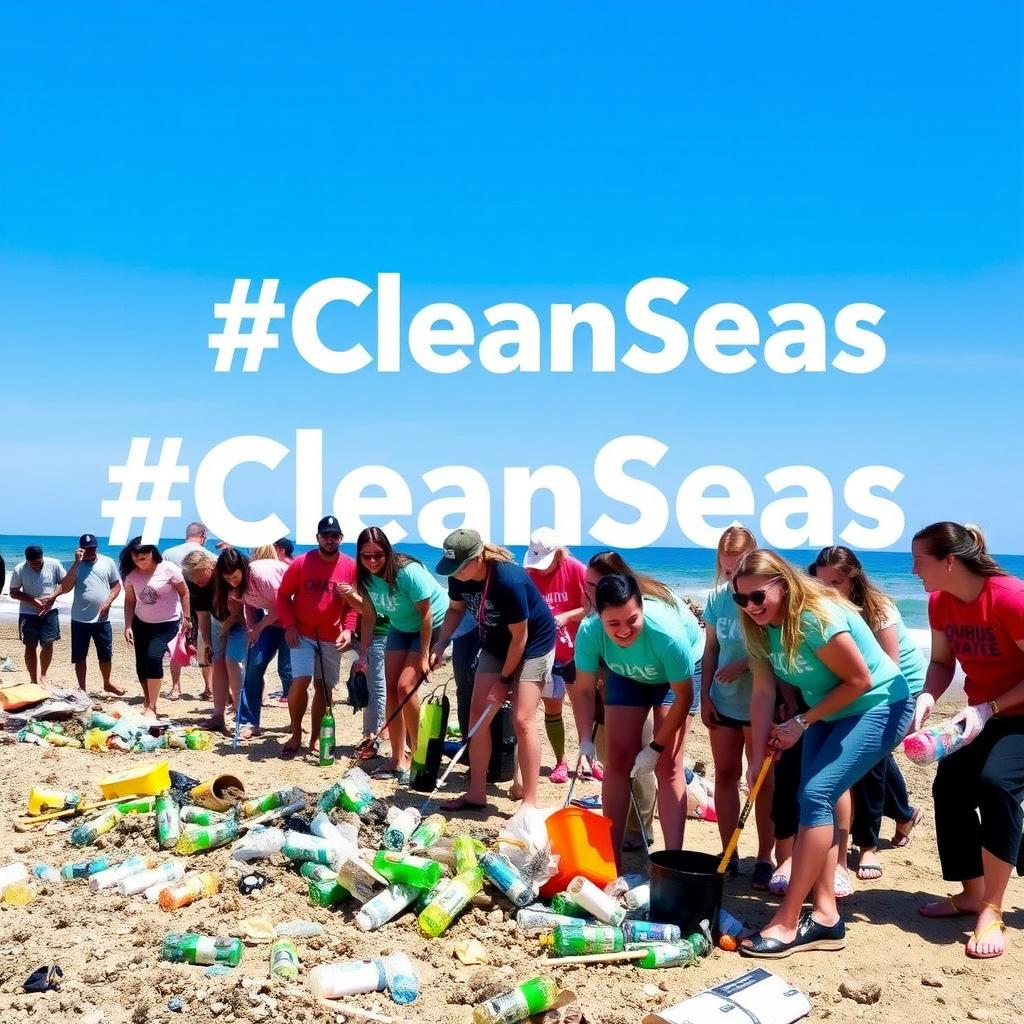
| Beach Cleanups | Instagram, X | Search hashtags like #CleanSeas or #BeachCleanup |
| Tree Planting | Join local environmental group pages | |
| Petitions | Change.org, X | Follow advocacy accounts like Greenpeace |
| Virtual Campaigns | TikTok, Instagram | Look for challenges like #EcoChallenge |
Last year, I joined a local tree-planting event I found through a Facebook group. The post was shared by a friend, and within days, I was planting saplings with strangers who became friends. That’s the magic of social media—it connects you to real-world impact.
Crafting Effective Advocacy Content
Want to make a difference? It starts with what you share. Creating content that resonates is key to advocacy. Here’s how to craft posts that inspire action:
- Tell a Story: Share personal experiences, like why you started recycling or how a local park changed your perspective.
- Use Visuals: Photos or videos of nature grab attention. A picture of a polluted river hits harder than words alone.
- Keep It Simple: Break down big issues. For example, explain how single-use plastics harm marine life in a short caption.
- Add a Call to Action: End posts with clear steps, like “Join our cleanup this Saturday!” or “Share this to spread the word!”
When I posted about my first volunteer cleanup, I included a photo of the trash we collected and a link to the organizing group. The post got shared dozens of times, and three friends joined the next event. Small actions add up.
Challenges and Pitfalls
Social media isn’t perfect. Misinformation can spread as fast as truth, and “slacktivism”—liking or sharing without real action—can dilute impact. To avoid this, focus on credible sources. Follow organizations like the World Wildlife Fund or check posts from verified accounts on X.
Another challenge is burnout. Constant exposure to environmental crises can feel overwhelming. I’ve felt this myself, scrolling through endless posts about melting ice caps. To stay grounded, I set boundaries, like limiting my screen time and focusing on one issue at a time, like reducing plastic use.

The Future of Environmental Advocacy Online
The role of social media in environmental advocacy will only grow. New platforms and technologies, like immersive VR campaigns, are emerging. Imagine joining a virtual tour of a coral reef to see the impact of warming oceans firsthand. These tools could make advocacy even more engaging.
Younger generations, especially Gen Z, are leading the charge. They’re using TikTok to share quick, creative videos that educate and inspire. A 2024 report from the United Nations noted that youth-led campaigns on social media have driven policy changes in over 20 countries. That’s proof of real impact.
To stay effective, advocates must adapt. Learn new platforms, experiment with formats, and always prioritize action over likes. Whether you’re a seasoned volunteer or just starting, your voice matters.
Summary
The Role of Social Media in Environmental Advocacy is undeniable. It’s a tool for raising awareness, building communities, and driving action. By sharing stories, joining volunteer efforts, and creating compelling content, anyone can contribute to a greener future. Start small, stay informed, and use social media to make a difference.