The Role of Volunteers in Advocacy Campaigns: Driving Change with Passion
Discover the critical role volunteers play in advocacy campaigns, from grassroots efforts to social media strategies. Learn how to get involved, leverage hashtags, and make a difference through online advocacy volunteering options.
5 min read
Overview
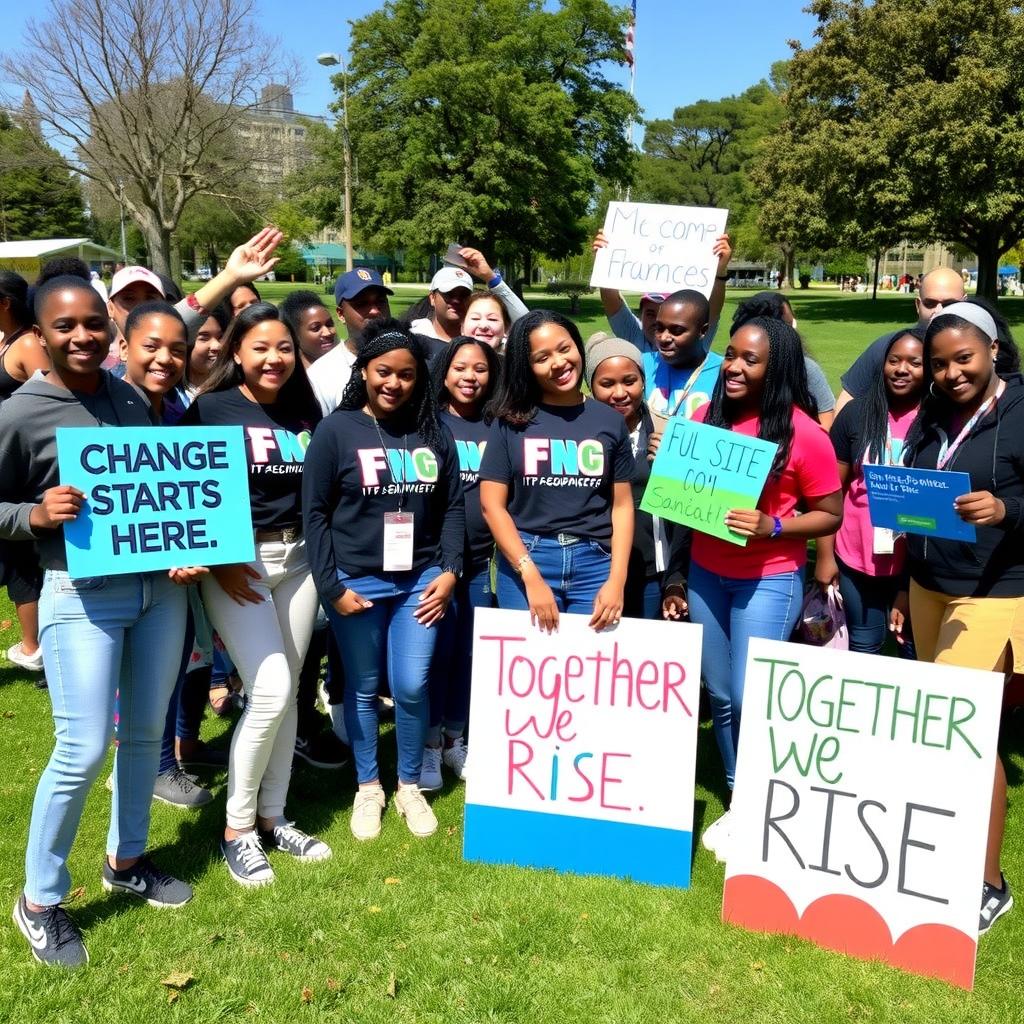
Volunteers are the heartbeat of advocacy campaigns, fueling change with passion and dedication. From organizing events to amplifying messages online, their efforts drive impact. This article explores the role of volunteers in advocacy campaigns, highlighting their contributions, social media strategies, and online volunteering options.
Why Volunteers Matter in Advocacy
Advocacy campaigns aim to influence decisions, raise awareness, or shift public opinion. Whether it’s fighting for environmental policies or supporting human rights, volunteers make these efforts possible. They bring energy, local knowledge, and diverse skills to the table. Without them, many campaigns would lack the manpower to succeed.
Volunteers often act as the face of a campaign. They connect with communities, share personal stories, and build trust. Their authenticity resonates in ways paid staff or automated systems can’t. For example, a volunteer sharing their experience with a cause can inspire others to act, creating a ripple effect.

Key Roles Volunteers Play
Volunteers wear many hats in advocacy campaigns. Their tasks vary depending on the campaign’s goals, but here are some common roles:
- Community Organizers: Volunteers plan events, rallies, or workshops to engage local communities.
- Storytellers: They share personal experiences to humanize the cause and connect with audiences.
- Canvassers: Going door-to-door or setting up booths, they spread the word and gather support.
- Digital Advocates: Using social media, they amplify messages and engage online communities.
Each role is vital. A single volunteer’s tweet or conversation can spark widespread interest. Their collective efforts turn small ideas into powerful movements.
The Power of Hashtags in Advocacy Campaigns
Hashtags are more than catchy phrases—they’re tools for uniting people around a cause. Volunteers use hashtags to make campaigns visible and searchable. A well-crafted hashtag can turn a local issue into a global conversation.
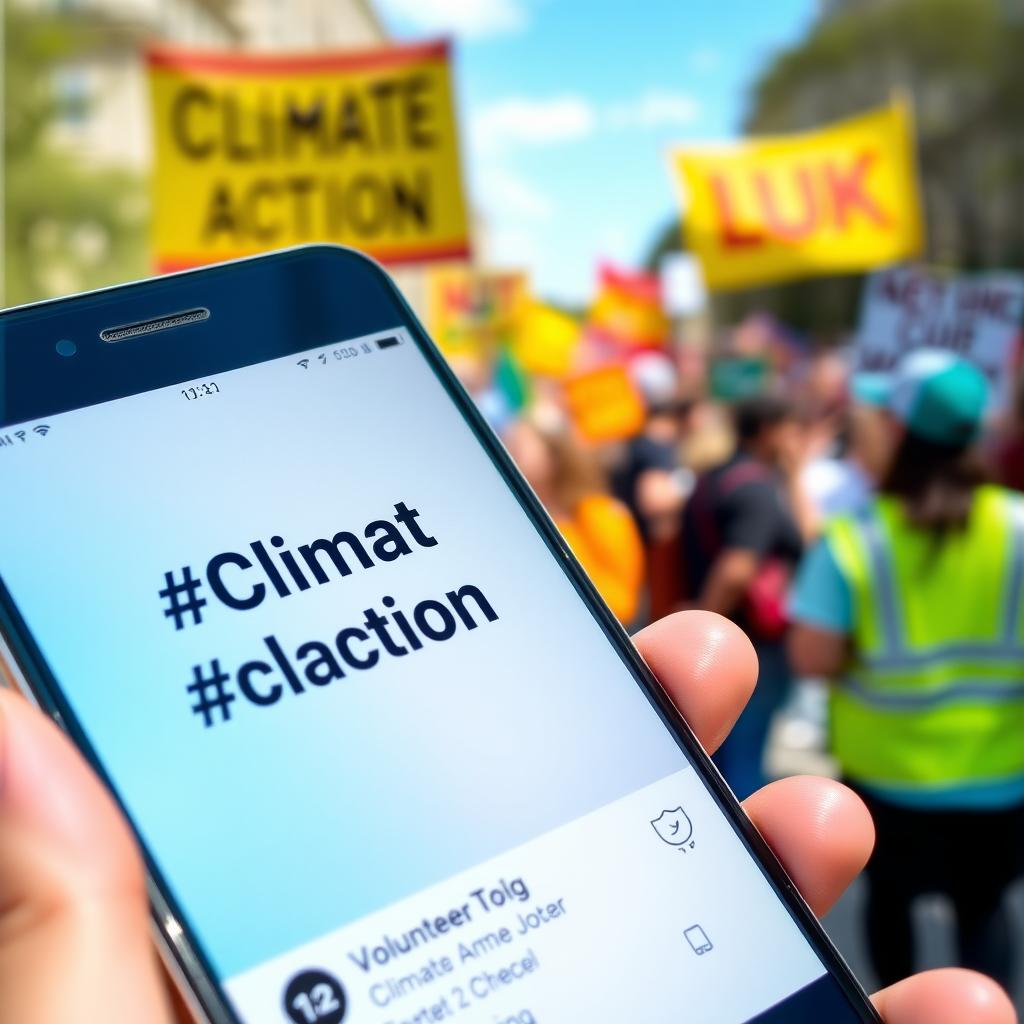
Take #ClimateAction, for instance. Volunteers posting with this hashtag connect with others worldwide, sharing tips, events, and calls to action. Hashtags also help track campaign progress. By monitoring posts, volunteers can see what resonates and adjust strategies.
To make hashtags effective, volunteers should: 1. Keep them short and memorable. 2. Tie them to the campaign’s core message. 3. Encourage followers to use them consistently.
When volunteers rally behind a hashtag, they create a digital megaphone, amplifying the cause to new audiences.
Social Media Strategies for Effective Advocacy
Social media is a game-changer for advocacy. Volunteers use platforms like X, Instagram, and TikTok to spread messages fast. But success requires strategy, not just enthusiasm. Here’s how volunteers make an impact online:
- Create Shareable Content: Volunteers craft posts, videos, or infographics that are easy to share. A short video explaining a cause can go viral if it’s clear and emotional.
- Engage Actively: Replying to comments or joining discussions builds community. Volunteers who respond thoughtfully keep the conversation alive.
- Collaborate with Influencers: Partnering with influencers can expand reach. Even micro-influencers with small but engaged audiences can make a difference.
A 2023 study by Pew Research found that 70% of adults get news from social media. Volunteers who master these platforms can shape public perception and drive action.
Online Advocacy Volunteering Options
Not everyone can attend rallies or canvass neighborhoods, but online advocacy volunteering options make participation accessible. These roles let volunteers contribute from anywhere, anytime. Here are some ways to get involved:
| Role | Description | Skills Needed |
|---|---|---|
| Content Creator | Write blogs, design graphics, or produce videos to promote the campaign. | Writing, design, video editing |
| Social Media Manager | Schedule posts, monitor hashtags, and engage with followers. | Social media knowledge, communication |
| Virtual Organizer | Coordinate online events like webinars or live streams. | Organization, tech skills |
| Data Analyst | Track campaign metrics, like hashtag reach or petition signatures. | Data analysis, attention to detail |
These roles require minimal time commitments, often just a few hours a week. Platforms like VolunteerMatch or Idealist list opportunities for online advocacy work.

Challenges Volunteers Face
Volunteering isn’t always easy. Burnout is a real risk, especially in long campaigns. Volunteers may feel overwhelmed by the scale of an issue or frustrated by slow progress. Limited resources, like funding or tools, can also hinder efforts.
To stay motivated, volunteers should: - Set realistic goals, like reaching 100 new supporters in a month. - Take breaks to avoid exhaustion. - Celebrate small wins, like a successful event or viral post.
Organizations can help by providing training, clear communication, and recognition. A simple thank-you can go a long way in keeping volunteers engaged.
Personal Insights: The Volunteer Experience
I’ve seen firsthand how volunteers transform campaigns. A friend of mine volunteered for a local environmental group. She started by sharing posts on X, using hashtags like #CleanWaterNow. Within weeks, her posts reached thousands, sparking conversations that led to a community cleanup event. Her small actions created real change.
What makes volunteering so powerful is the sense of purpose it brings. You’re not just posting or marching—you’re part of something bigger. Every signature you collect or conversation you start moves the needle. It’s hard work, but the impact is worth it.
How to Get Started as a Volunteer
Ready to make a difference? Here’s how to jump in: 1. Find a Cause: Pick an issue you care about, like climate change or education reform. 2. Research Opportunities: Check platforms like VolunteerMatch or local nonprofits for roles. 3. Start Small: Try online tasks, like sharing posts or signing petitions, before committing to bigger roles. 4. Learn and Grow: Attend training sessions or webinars to build skills.
Many organizations, like Amnesty International, offer resources for new volunteers. Their websites provide guides on advocacy and online tools to get started.
Summary
Volunteers are the backbone of advocacy campaigns, driving change through passion and action. From organizing events to leveraging the power of hashtags in advocacy campaigns, their roles are diverse and impactful. Social media strategies for effective advocacy amplify their efforts, while online advocacy volunteering options make participation accessible. By getting involved, anyone can contribute to a cause they care about and create lasting change.