Service Learning and Civic Engagement: A Comprehensive Guide
Explore the transformative power of service learning and civic engagement. Learn how these practices blend education with community service to foster personal growth and societal impact.
3 min read
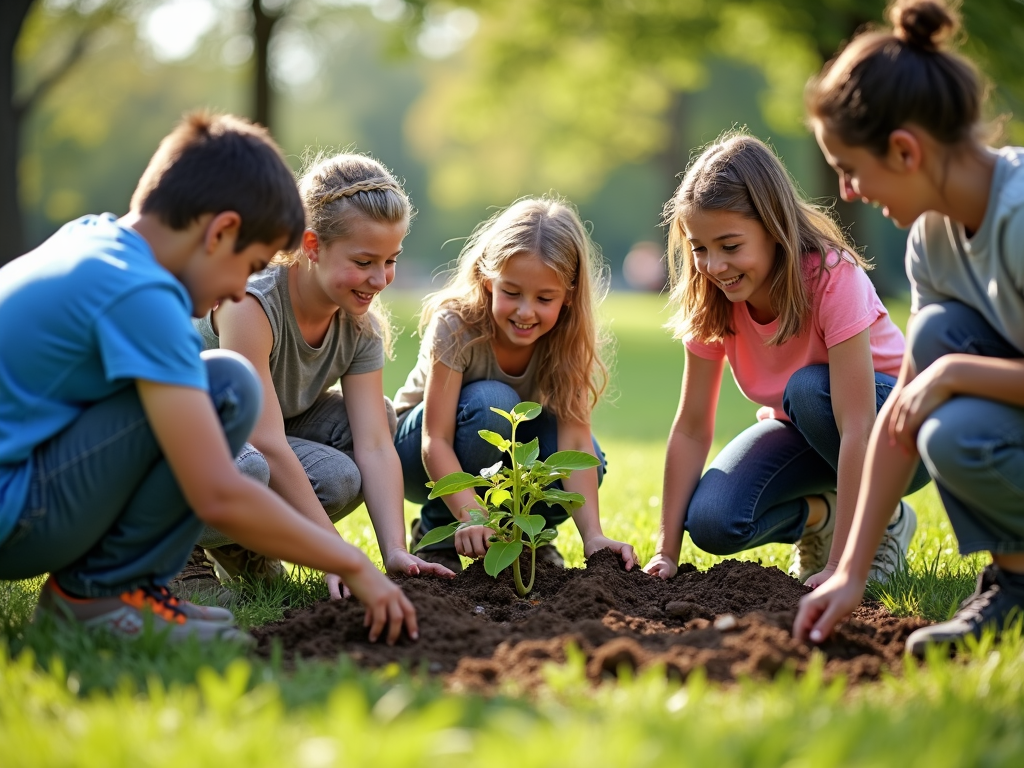
Service learning and civic engagement are powerful ways to learn and grow while helping others. These practices connect education with community service, letting people make a real difference. In this article, we’ll dive into what they mean, why they matter, and how you can get involved.
What is Service Learning?
Service learning combines classroom lessons with hands-on community work. It’s not just volunteering—it’s tied to what you’re studying. For example, a biology student might clean up a river while learning about ecosystems. It builds skills, teaches responsibility, and helps communities thrive.
What is Civic Engagement?
Civic engagement is about taking part in your community’s life. It can be voting, organizing events, or joining a service learning project. The idea is to improve things around you, whether through big actions like advocacy or small steps like helping a neighbor.

Why They Matter: The Benefits
Service learning and civic engagement offer so much. Here’s how they help:
- Personal Growth: You gain confidence, leadership, and empathy.
- Better Learning: Real-world projects make school lessons stick.
- Community Good: Your work solves real problems, like food shortages or dirty parks.
- Connections: You meet people who can inspire or help you later.
- Job Skills: Employers love seeing volunteer experience on resumes.
Imagine tutoring kids in math. You sharpen your skills while they improve theirs—it’s a win-win!
My First Experience
I’ll never forget my first service learning project. In college, my class worked with a homeless shelter. We served food and listened to people’s stories. One man told me how he lost his job and home in a month. It hit me hard and changed how I see the world.

Real Examples to Inspire You
Here are some ways people do this:
- Eco Projects: Cleaning beaches or planting gardens teaches science and helps nature.
- Teaching Kids: College students tutor younger ones, boosting both their learning.
- Health Events: Setting up free health check-ups spreads wellness.
- Fairness Work: Helping underserved groups teaches about equality.
These show how service learning fits any interest!
How to Jump In
Ready to try it? Here’s a simple plan:
- Find Your Passion: Love animals? Help a shelter. Care about kids? Tutor.
- Look Around: Schools or local groups often list volunteer options.
- Start Easy: Try a one-day event, like a park cleanup.
- Think Back: After, write or talk about what you learned.
Even a few hours can spark something big.

Tips for Success
To make the most of it:
- Be Open: You’ll meet new people and ideas.
- Ask Questions: Learn from those you help.
- Stay Flexible: Plans might change, and that’s okay.
I once showed up to paint a school, but we ended up fixing desks instead. It taught me to adapt!
Challenges You Might Face
It’s not always easy. You might feel shy at first or unsure if you’re helping enough. Time can be tight, too. But stick with it—the rewards are worth it. I felt nervous before my shelter day, but pushing through made me stronger.
The Bigger Picture
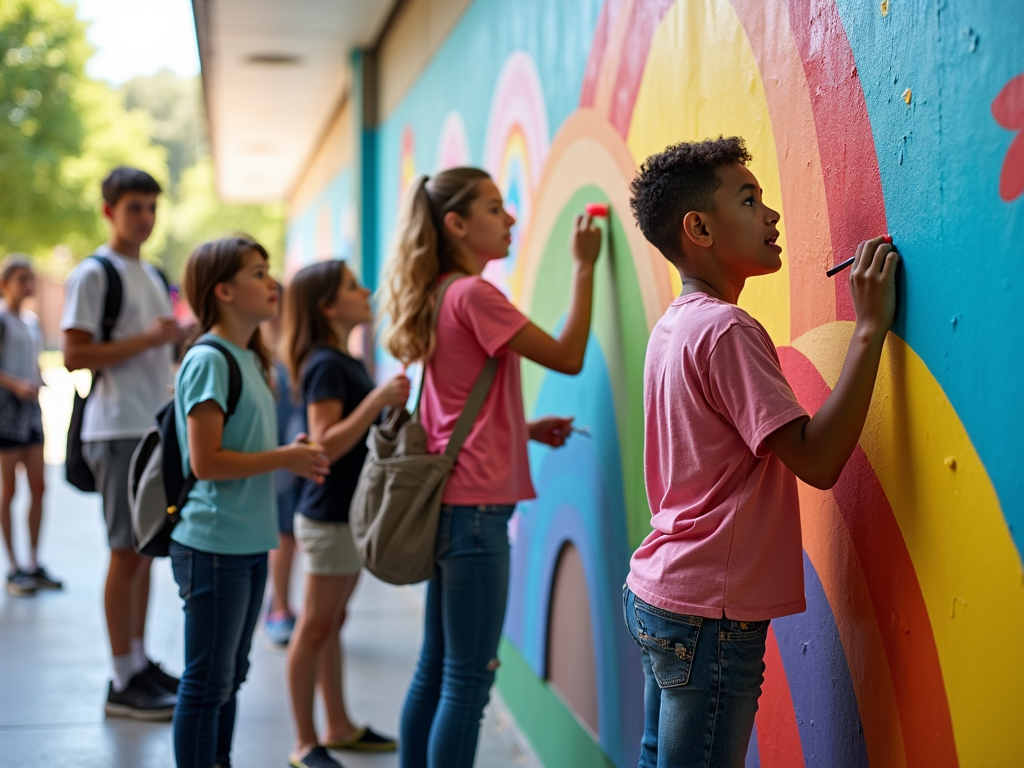
Service learning and civic engagement build stronger communities. Studies from the National Service-Learning Clearinghouse show students who do this get better grades and feel more connected. It’s not just about you—it’s about lifting everyone up.
Final Thoughts
Service learning and civic engagement let you learn by doing. They grow your skills, open your eyes, and improve lives. Whether you’re a student or just want to help, there’s a place for you. Take that first step—you won’t regret it.