Service Learning and Civic Engagement: Making a Difference
Exploring the transformative impacts of service learning and civic engagement on personal development and community improvement.
3 min read
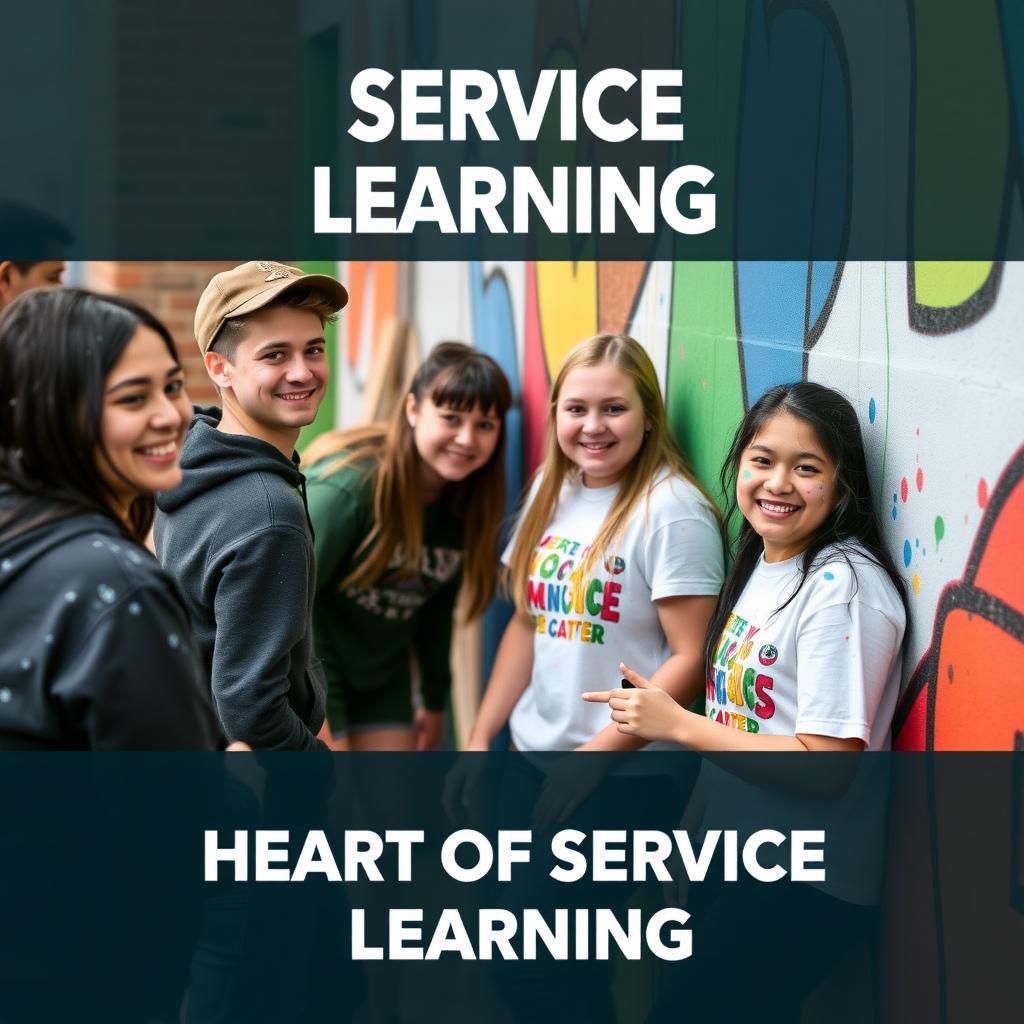
Service learning and civic engagement are transformative experiences that benefit both individuals and communities. This article explores their impact, shares personal insights, and provides guidance on how to get involved.
Imagine a college student named Sarah who signs up for a service learning course. She’s paired with a local non-profit that helps underprivileged kids. Sarah tutors them in math, watching their grades improve. Through this, she applies what she’s learned in class and grows her empathy and leadership skills. She also sees firsthand the challenges these kids face, like limited access to resources, which deepens her understanding of her community.
Service learning offers many benefits. It ties academic lessons to real-world action. A biology student, for example, might volunteer at an environmental group, using classroom knowledge to protect local wildlife. It builds personal strengths too—like confidence and self-awareness. People often feel more connected to their neighbors after volunteering. Plus, it meets community needs, such as reducing hunger or boosting education. Skills like teamwork, communication, and problem-solving grow as well. Working with others on a project, like a food drive, sharpens these abilities fast.
Research backs this up. A study by the National Service-Learning Clearinghouse shows students in service learning improve their grades and graduate more often. It’s proof that helping others helps you too.

Service learning comes in different shapes:
- Direct service: Hands-on tasks like tutoring kids or building houses.
- Indirect service: Raising money or planning events behind the scenes.
- Advocacy: Speaking up about issues, like pushing for cleaner parks.
- Research: Studying local problems and suggesting fixes.
Here are some real examples: - Tutoring struggling students in math or reading. - Planting trees or cleaning beaches to help the environment. - Setting up health fairs for families who lack care. - Researching housing gaps and sharing ideas with city leaders.
Want to join in? Check if your school offers service learning classes—many have offices for community work. Or contact local groups like food banks or shelters. Websites like VolunteerMatch make it easy to find volunteer spots near you. Start small, but start somewhere.
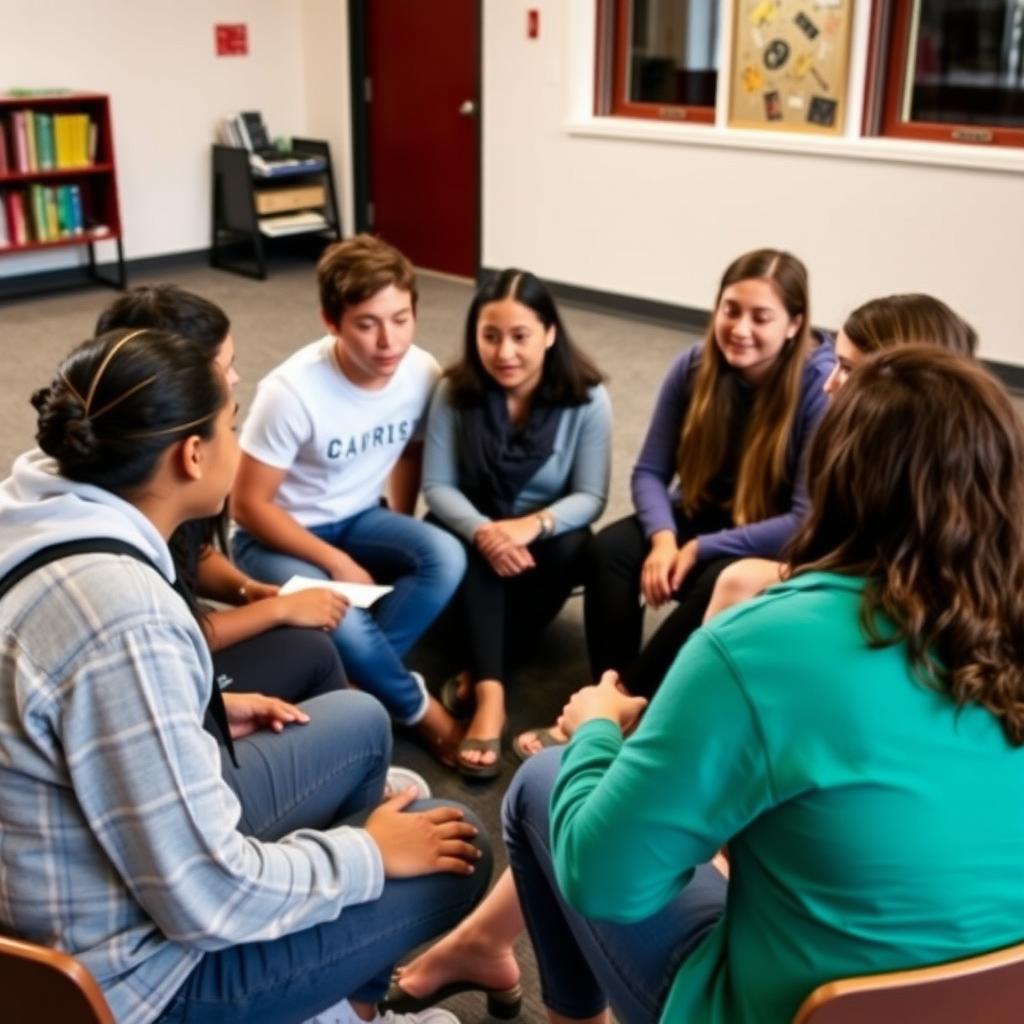
Reflection is a big part of service learning. It’s how you link what you do to what you learn. You might write in a journal about your day volunteering or talk it over with classmates. After tutoring, Sarah might note how it ties to her education studies. Some groups use questions to guide reflection, others have you build a portfolio of your work. It’s about seeing the bigger.
Civic engagement is broader—it’s any action to improve society. Voting, protesting, or organizing community events all count. Service learning fits here, blending service with learning. Both keep democracy strong by giving people a say and tackling big issues. A report by the Pew Research Center found that engaged citizens trust their government more and stay active in their communities.
Getting involved matters. Leading a neighborhood clean-up can spark pride and teamwork. Attending town hall meetings, writing lawmakers, or joining advocacy groups are other ways to make a mark. Every step counts.
Service learning isn’t always easy, though. Juggling it with school and life can stress you out. Planning ahead and talking to teachers or supervisors helps. Working in new communities might feel unfamiliar too—staying open and respectful smooths the way. Mentors or seasoned volunteers can guide you through rough spots.
In conclusion, service learning and civic engagement build skills, boost learning, and lift communities. Getting involved changes you and the world around you—one action at a time.
Recommended Readings: 1. "The Complete Guide to Service Learning" by Cathryn Berger Kaye 2. "Civic Engagement in Higher Education" by Barbara Jacoby 3. "Bowling Alone" by Robert D. Putnam
Read More: - How to Start a Service Learning Project - The Benefits of Civic Engagement for Young Adults - Case Studies of Successful Service Learning Initiatives