Service Learning and Community Partnerships: Best Practices
Explore proven strategies for integrating service learning into education through meaningful community partnerships. Learn how to foster civic engagement, student growth, and lasting impact with practical tips and creative ideas.
3 min read
A Quick Overview
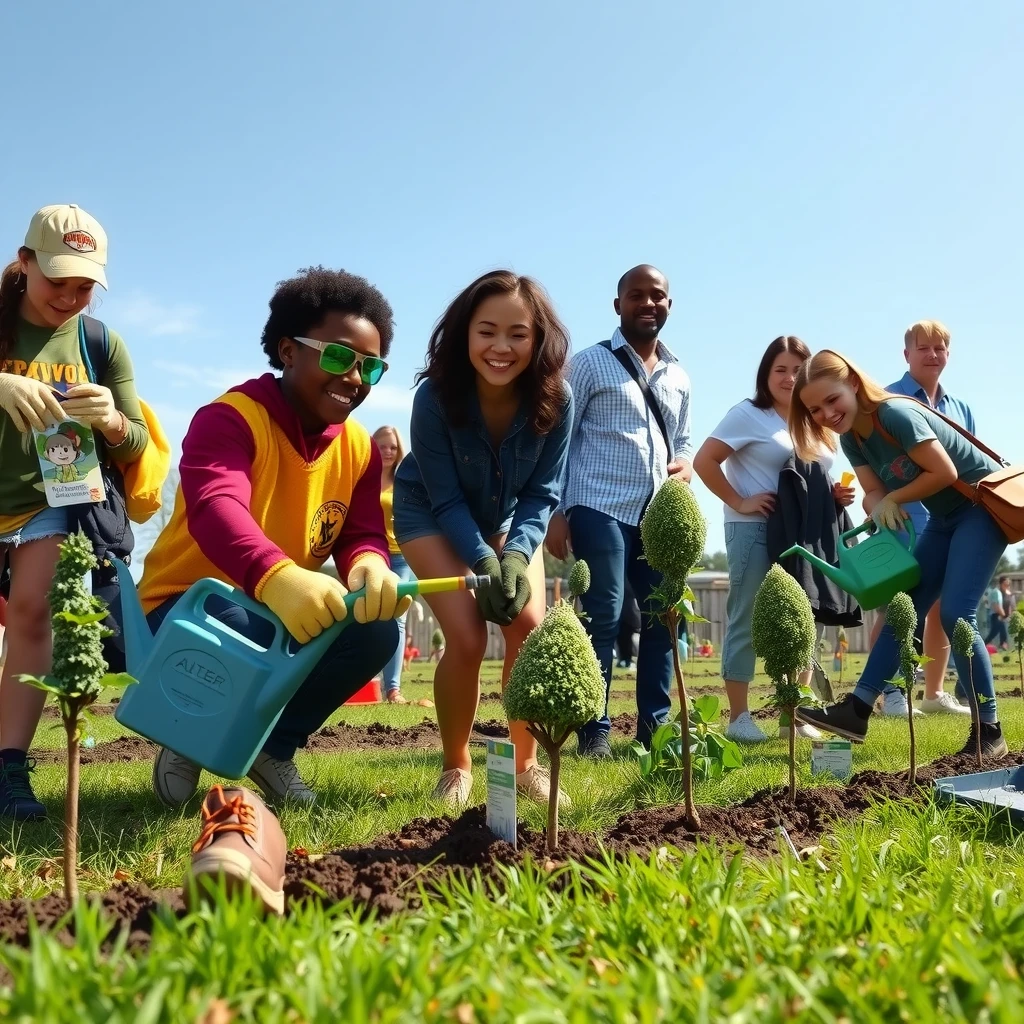
Service learning combines classroom lessons with real-world community service. When done right, it builds skills, strengthens civic engagement, and creates win-win partnerships between schools and local organizations. This guide shares practical best practices to help you succeed.
What Is Service Learning?
You might already know about volunteer work, but service learning goes further. Students tackle community needs while applying what they learn in class. They reflect on their experiences to deepen understanding.
Teachers guide the process, and community partners help identify real problems. Everyone benefits: students grow, communities get support, and learning feels meaningful.
Service learning differs from simple volunteering because it ties directly to curriculum goals. Students do not just help—they analyze issues, connect them to lessons, and think about bigger solutions.

Understanding the Role of Service Learning in Education
Service learning plays a key role in modern education. It helps students develop empathy, critical thinking, and leadership skills. Research shows these experiences boost academic performance and reduce dropout rates.
More importantly, service learning and civic engagement go hand in hand. Students see how they can make a difference, which encourages lifelong community involvement.
I have seen quiet students step up as leaders during projects. One group organized a food drive and later presented data on local hunger to the school board. That real-world impact changed how they viewed government and responsibility.
Colleges and K-12 schools both use service learning. Younger students might read to seniors, while college students might design websites for nonprofits. The core idea stays the same: learn by doing good.
Building Strong Community Partnerships
Strong partnerships form the foundation of successful service learning. Start by listening. Reach out to local organizations and ask about their biggest needs.
Look for mutual benefits. Schools offer fresh ideas and eager helpers. Community groups provide authentic challenges and expertise.
| Step | Action | Tip |
|---|---|---|
| 1 | Identify partners | Attend local events or check nonprofit directories |
| 2 | Hold initial meetings | Focus on shared goals, not just what students can do |
| 3 | Create clear agreements | Outline roles, timelines, and communication plans |
| 4 | Build trust over time | Celebrate small wins and stay flexible |
These steps prevent common pitfalls and create lasting relationships.

Best Practices for Service Learning and Community Partnerships
Follow these proven practices to get the most from your programs:
- Plan ahead — Align projects with curriculum standards and community needs.
- Prepare students — Teach background knowledge and skills before starting.
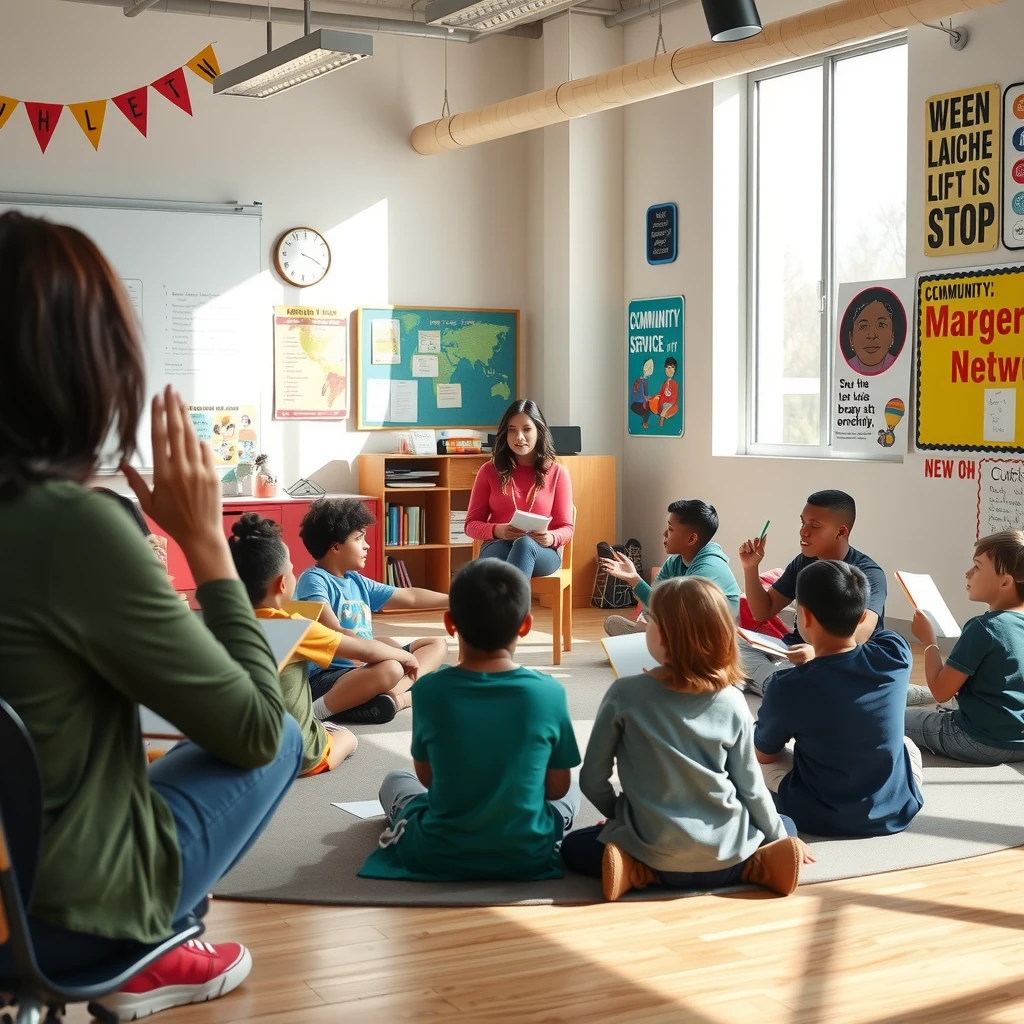
- Include meaningful reflection — Use journals, discussions, or presentations.
- Make partnerships equal — Treat community members as co-educators.
- Measure impact — Track results for both students and the community.
- Stay flexible — Adjust when unexpected challenges arise.
- Celebrate success — Share stories with the whole school and partners.
Reflection stands out as the most important step. Without it, service becomes just volunteering. Guide students to ask: What did I learn? How did this affect others? What can I do next?
In one project I led, students cleaned a riverbank. During reflection, they connected litter to science lessons on ecosystems. Several later started a school recycling club. That lasting change showed the power of thoughtful follow-up.
Creative Service Learning Ideas for Every Classroom
Need inspiration? Here are adaptable ideas across subjects and ages:
- Environmental focus — Create school gardens or monitor local water quality.
- Literacy boost — Record audiobooks for visually impaired residents.
- Health awareness — Organize fitness events or healthy cooking demos for families.
- History alive — Interview veterans and build an online oral history archive.
- Tech help — Teach seniors basic smartphone or computer skills.
- Art for good — Paint murals at community centers or shelters.
- Hunger solutions — Research food insecurity and run drives or awareness campaigns.
Start small if needed. Even collecting supplies for animal shelters teaches responsibility and compassion while linking to writing or math units.
Wrap-Up: Start Your Journey Today
Service learning transforms education when paired with genuine community partnerships. Apply these best practices—plan carefully, reflect deeply, and build equal relationships—and you will see students grow into engaged citizens.
Begin with one project. Reach out to a local group this week. The rewards for your students and community will prove worth the effort.