Service Learning and Civic Engagement: Empowering Students and Communities
Discover how service learning fosters civic engagement, benefiting both students and communities through hands-on experience and meaningful contributions.
3 min read
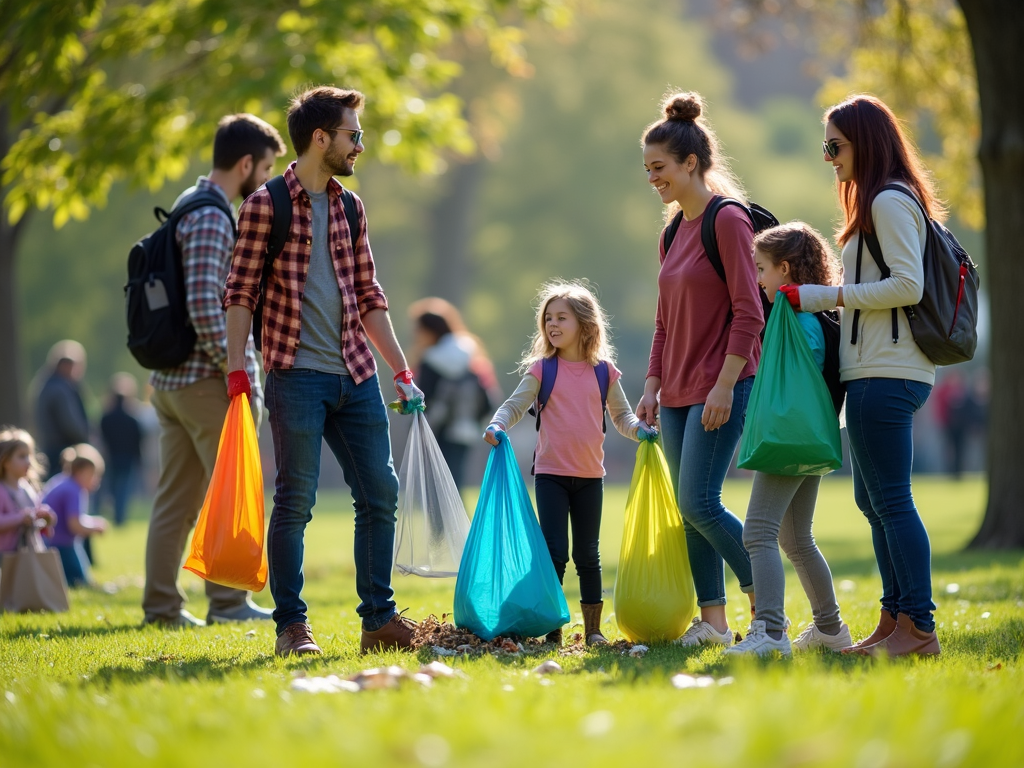
Introduction
Service learning is an educational approach that combines academic instruction with community service, allowing students to apply what they learn in the classroom to real-world situations. Civic engagement, on the other hand, refers to the active participation of individuals in their communities to address social issues and promote the common good. Together, service learning and civic engagement create a powerful synergy that not only enhances student learning but also strengthens communities.

In service learning, students engage in structured activities that address community needs while also meeting specific learning objectives. This hands-on approach helps students develop critical thinking, problem-solving, and teamwork skills. Moreover, it fosters a sense of responsibility and empathy, as students see firsthand the impact of their efforts on the community.
Benefits of Service Learning
- Skill Development: Students gain practical skills that complement their academic knowledge.
- Real-World Experience: Applying classroom concepts to real situations enhances understanding.
- Personal Growth: Service learning promotes self-reflection and personal development.
- Community Impact: Projects address genuine needs, making a tangible difference.

Civic engagement is the broader context in which service learning operates. It encompasses a range of activities, from voting and advocacy to volunteering and community organizing. By participating in service learning, students become more civically engaged, understanding the importance of their role in society and feeling empowered to make a difference.
One of the key aspects of service learning is its reciprocal nature. While students gain valuable experience and skills, communities benefit from the services provided. This mutual benefit strengthens the relationship between educational institutions and the communities they serve, fostering a culture of collaboration and mutual respect.
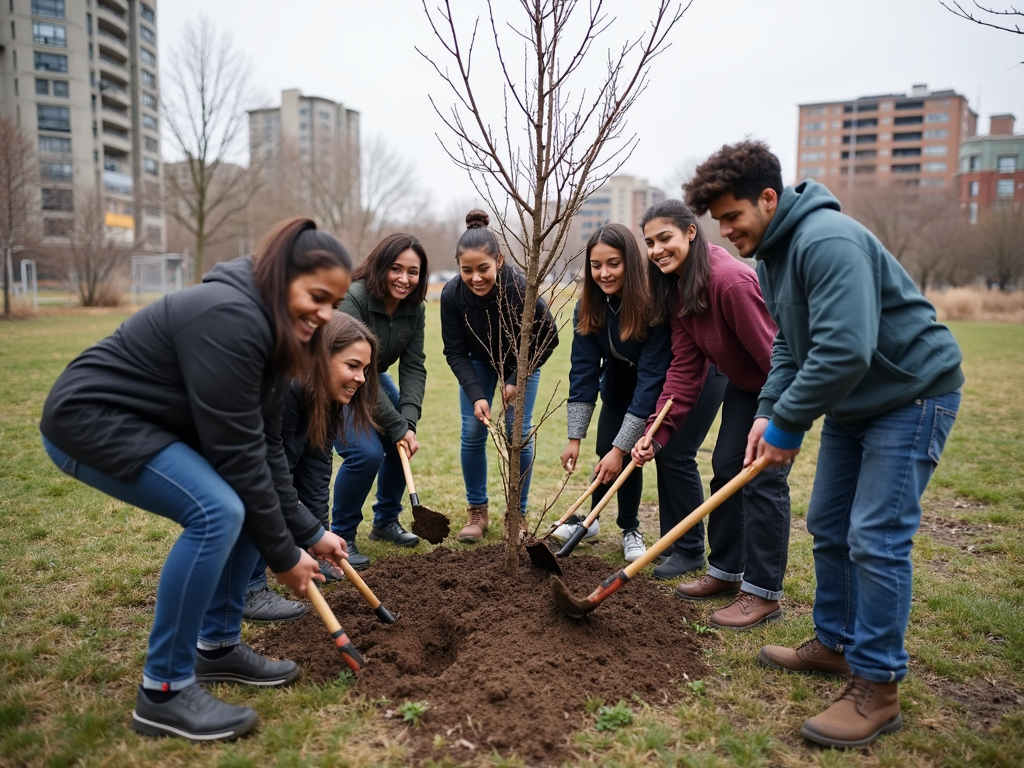
Volunteers play a crucial role in service learning. They not only contribute their time and effort but also bring diverse perspectives and skills to the projects. Encouraging volunteerism among students can lead to lifelong habits of civic participation and community service.
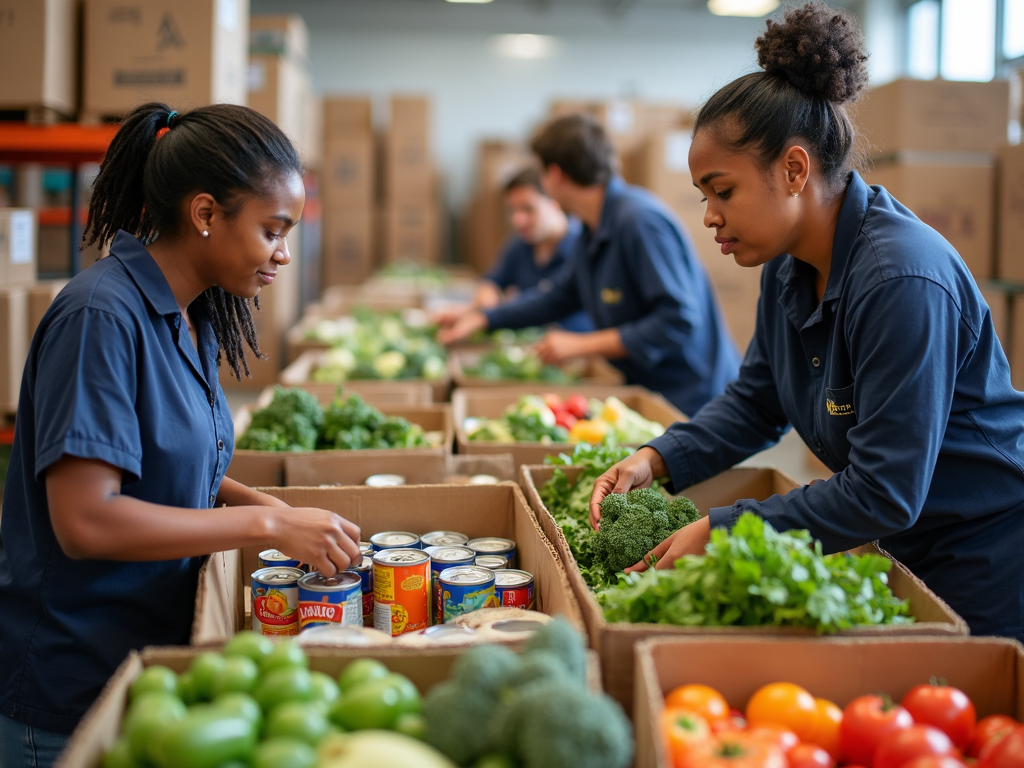
To illustrate the impact of service learning, consider the example of a university's partnership with a local food bank. Students in a nutrition course might work with the food bank to develop healthy meal plans for families in need. Through this project, students apply their knowledge of nutrition while addressing food insecurity in their community.
Another example is a service learning project focused on environmental sustainability. Students in an environmental science class could collaborate with a local conservation group to restore a wetland area. This hands-on experience not only reinforces classroom learning but also contributes to the preservation of natural resources.
Service learning can also address educational disparities. For instance, college students might tutor K-12 students in underserved schools, helping to bridge the achievement gap while gaining insights into the challenges faced by these communities.

Types of Service Learning Projects
| Type | Description | Example |
|---|---|---|
| Direct Service | Hands-on activities directly benefiting community members | Tutoring, building homes |
| Indirect Service | Behind-the-scenes work that supports community organizations | Fundraising, administrative tasks |
| Advocacy | Raising awareness or promoting action on social issues | Organizing campaigns, writing letters |
| Research | Investigating community needs or evaluating programs | Surveys, data analysis |
Implementing a successful service learning program requires careful planning and collaboration. Here are some steps to consider:
- Identify Community Needs: Work with community partners to determine pressing issues.
- Align with Curriculum: Ensure that service activities relate to course objectives.
- Provide Training: Prepare students for their roles and responsibilities.
- Reflect and Assess: Encourage students to reflect on their experiences and assess the project's impact.
In conclusion, service learning and civic engagement are powerful tools for education and community development. By integrating academic learning with community service, students gain valuable skills and experiences while making a positive impact on society. As more educational institutions embrace this approach, we can look forward to a future where students are not only knowledgeable but also actively engaged in creating a better world.