Service Learning and Civic Engagement: Making a Difference Through Action
Discover how service learning and civic engagement empower individuals to create meaningful community change. This comprehensive guide explores their benefits, real-world applications, and actionable steps to get involved, blending personal insights with practical tips for volunteers.
5 min read
Overview
Service learning and civic engagement combine hands-on volunteer work with structured reflection to foster personal growth and community impact. By blending education with action, these practices empower individuals to address social issues while developing critical skills. This article dives into their value, real-world examples, and how you can get started.
What Is Service Learning and Civic Engagement?
Service learning is an educational approach where students or volunteers tackle community needs through hands-on projects, paired with reflection to deepen understanding. It’s not just volunteering; it’s learning through doing. Civic engagement, on the other hand, encompasses actions like voting, advocacy, or community service to influence public life.
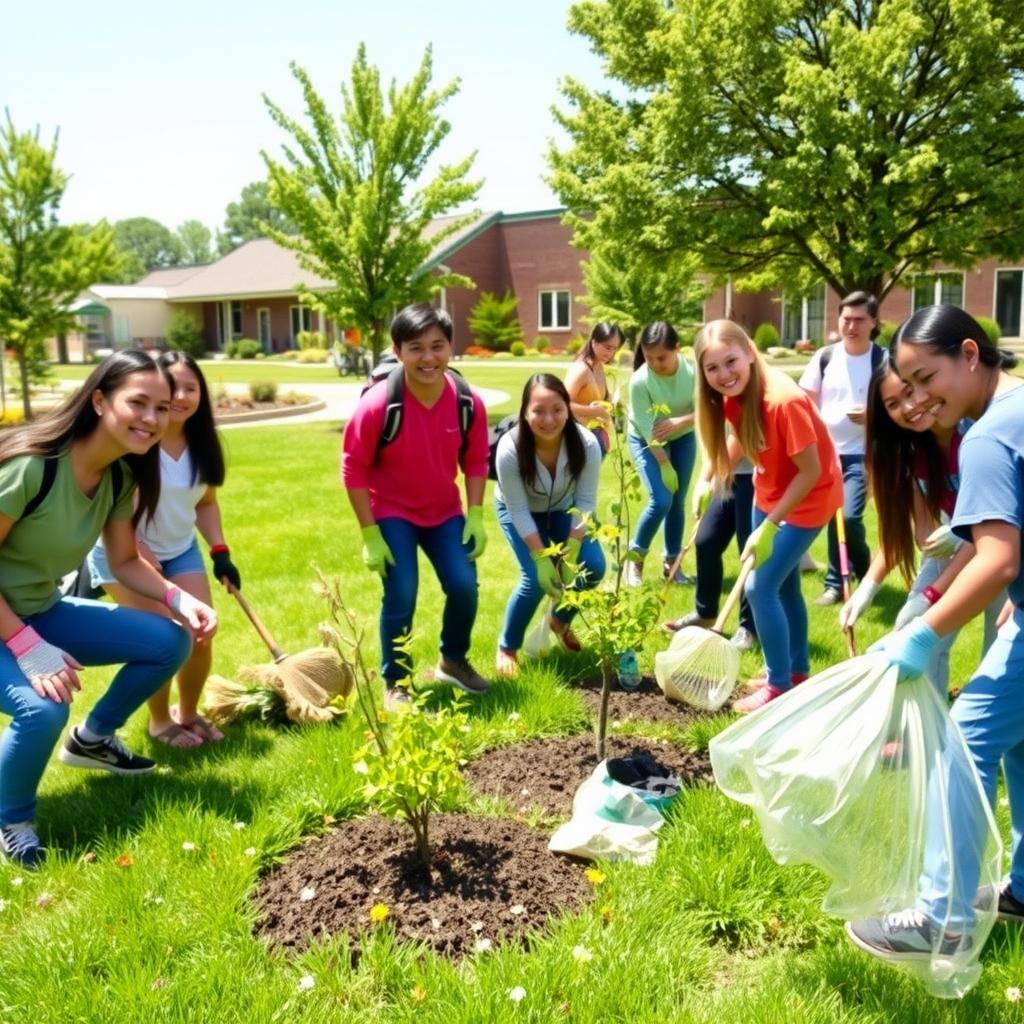
Together, these concepts create a powerful framework. Service learning often fuels civic engagement by giving people the tools and motivation to stay involved. For example, a student cleaning up a local park might later advocate for environmental policies. Both require active participation, not just passive support.
Why Service Learning Matters
Service learning stands out because it’s a two-way street. Communities benefit from the work, while participants gain skills like teamwork, problem-solving, and empathy. Unlike traditional volunteering, it’s structured to ensure learning outcomes. For instance, a 2019 study from the National Service-Learning Clearinghouse found that students in service-learning programs showed improved academic performance and stronger civic responsibility.
Personally, I’ve seen this impact firsthand. During college, I joined a service-learning project tutoring kids in an underserved neighborhood. The experience wasn’t just about teaching math—it taught me patience and the value of listening. The kids gained confidence, and I walked away with a deeper understanding of systemic inequalities.
The Benefits of Civic Engagement
Civic engagement takes service learning a step further by encouraging lifelong participation in community and political life. It’s about feeling connected to something bigger. Whether it’s volunteering at a food bank or attending a town hall, these actions build stronger communities. According to a 2020 report by the Corporation for National and Community Service, volunteers contribute over $147 billion in economic value annually through their efforts.
Engagement also boosts mental health. Helping others releases feel-good hormones like oxytocin, reducing stress. I remember organizing a voter registration drive and feeling energized by the community’s enthusiasm. It wasn’t just about registering voters—it was about sparking conversations and building trust.
How Service Learning and Civic Engagement Work Together
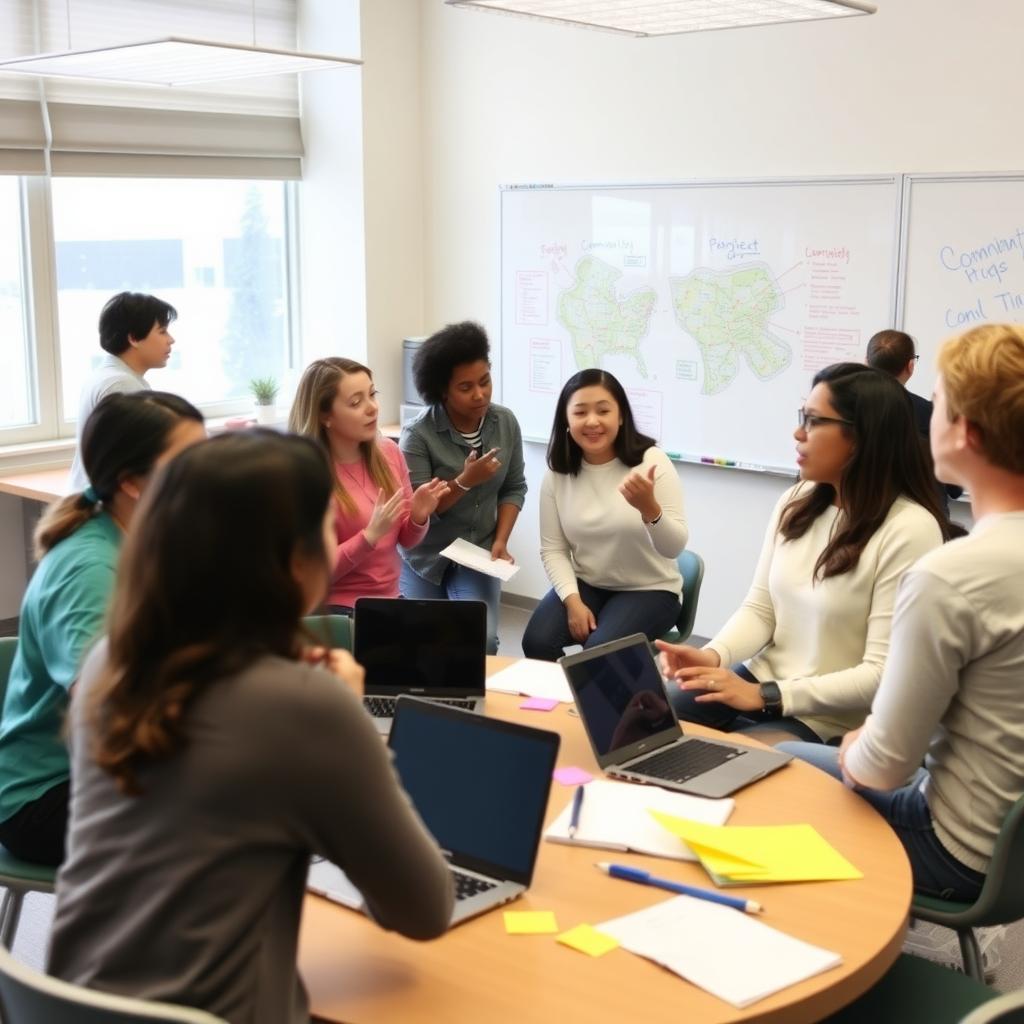
Service learning often serves as a gateway to civic engagement. A student who volunteers at a homeless shelter might later advocate for affordable housing policies. The reflection component of service learning—writing journals or discussing experiences—helps participants connect their actions to larger societal issues.
Here’s a quick breakdown of how they complement each other:
| Aspect | Service Learning | Civic Engagement |
|---|---|---|
| Focus | Combines service with education | Active participation in public life |
| Examples | Tutoring, park cleanups | Voting, advocacy |
| Outcome | Skill-building, reflection | Community impact, policy change |
This synergy creates informed, active citizens who are equipped to tackle complex challenges.
Real-World Examples
Service learning and civic engagement take many forms. Here are a few inspiring examples:
- Environmental Projects: College students in a service-learning program might restore a wetland, learning about ecosystems while improving local biodiversity.
- Education Initiatives: Volunteers tutor at-risk youth, gaining teaching skills while addressing educational gaps.
- Community Advocacy: A group organizes a public forum to discuss affordable housing, empowering residents to influence local policies.
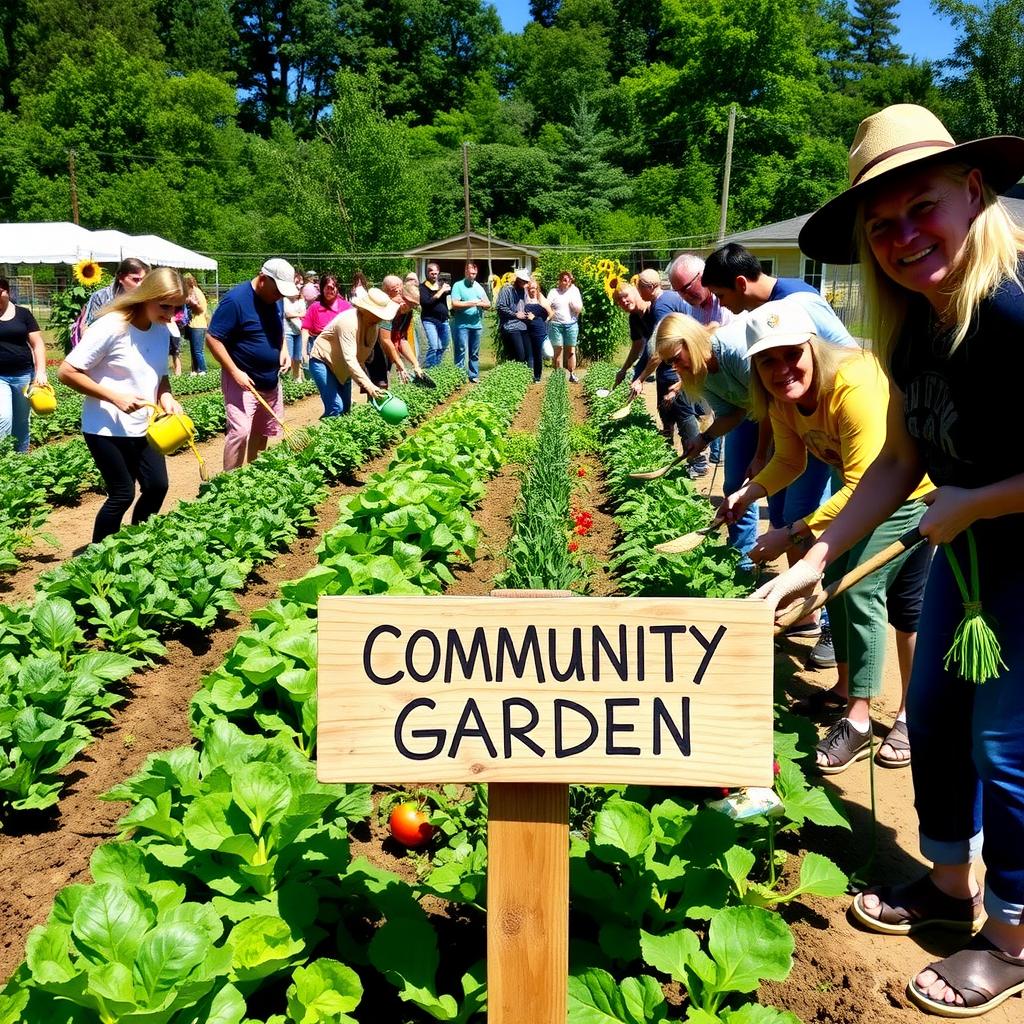
One memorable project I joined involved building a community garden. We didn’t just plant vegetables; we learned about food deserts and worked with residents to design a sustainable space. That garden still provides fresh produce today.
Getting Started with Service Learning
Ready to dive in? Here’s how to get involved in service learning:
- Find a Program: Check with local schools, universities, or organizations like AmeriCorps for structured service-learning opportunities.
- Choose a Cause: Pick an issue you care about—education, environment, or health—and find related projects.
- Reflect and Learn: Keep a journal or discuss your experiences to connect your work to broader issues.
- Stay Committed: Regular involvement deepens your impact and learning.
Start small. Even a few hours a week can make a difference. I began with a single weekend project and ended up leading a semester-long initiative.
Taking Civic Engagement Further
Civic engagement doesn’t stop at volunteering. Here are actionable ways to stay involved:
- Vote: Research candidates and issues to make informed choices.
- Advocate: Write to local officials or join community boards to influence policy.
- Stay Informed: Follow reputable news sources and attend public meetings.
- Connect: Join local groups or online platforms to share ideas and resources.
I once attended a city council meeting to support a park renovation. Speaking up felt daunting, but it led to real changes—like new playground equipment for kids.

Challenges and Solutions
Service learning and civic engagement aren’t without hurdles. Time constraints, lack of resources, or burnout can discourage participation. Here’s how to overcome them:
- Time Management: Schedule volunteer work like any other priority. Even an hour a week counts.
- Resource Gaps: Partner with organizations like Points of Light to access tools and networks.
- Burnout: Take breaks and reflect on your impact to stay motivated.
I’ve faced burnout myself. After months of organizing events, I felt drained. Taking a short break and focusing on smaller tasks helped me recharge.
The Long-Term Impact
The beauty of service learning and civic engagement lies in their ripple effects. A single project can inspire others, spark policy changes, or build stronger communities. Participants often report feeling more connected and empowered. Over time, these efforts create a culture of active citizenship.
Looking back, my service-learning experiences shaped my career. They taught me how to lead, listen, and advocate—skills I use daily. More importantly, they showed me that small actions can lead to big change.
Summary
Service learning and civic engagement are powerful tools for personal growth and community impact. By combining hands-on work with reflection, they create informed, active citizens. Whether you’re tutoring kids, cleaning parks, or advocating for change, your efforts matter. Start small, stay curious, and keep learning.