Service Learning and Civic Engagement: A Guide for Students
Explore the impact of service learning on students through community engagement and real-world experience.
2 min read

Service learning and civic engagement offer college students unique opportunities to apply classroom knowledge to real-world problems while making a positive impact on their communities. This guide explores the benefits, opportunities, and ways to get involved.

Real Stories: How Service Learning Changes Lives
Take Sarah, an environmental science major. She joined a service learning project to clean up a local river. She didn’t just pick up trash—she learned how pollution affects wildlife and people. “It made my classes feel real,” she said. “I saw the impact of what I was studying.”
Then there’s Jake, a sociology student. He volunteered at a soup kitchen during a class on poverty. Serving meals taught him more about hunger than any textbook could. “It wasn’t just data anymore,” he said. “It was people’s lives.”
These experiences show how service learning makes education come alive.
Overcoming Challenges in Service Learning
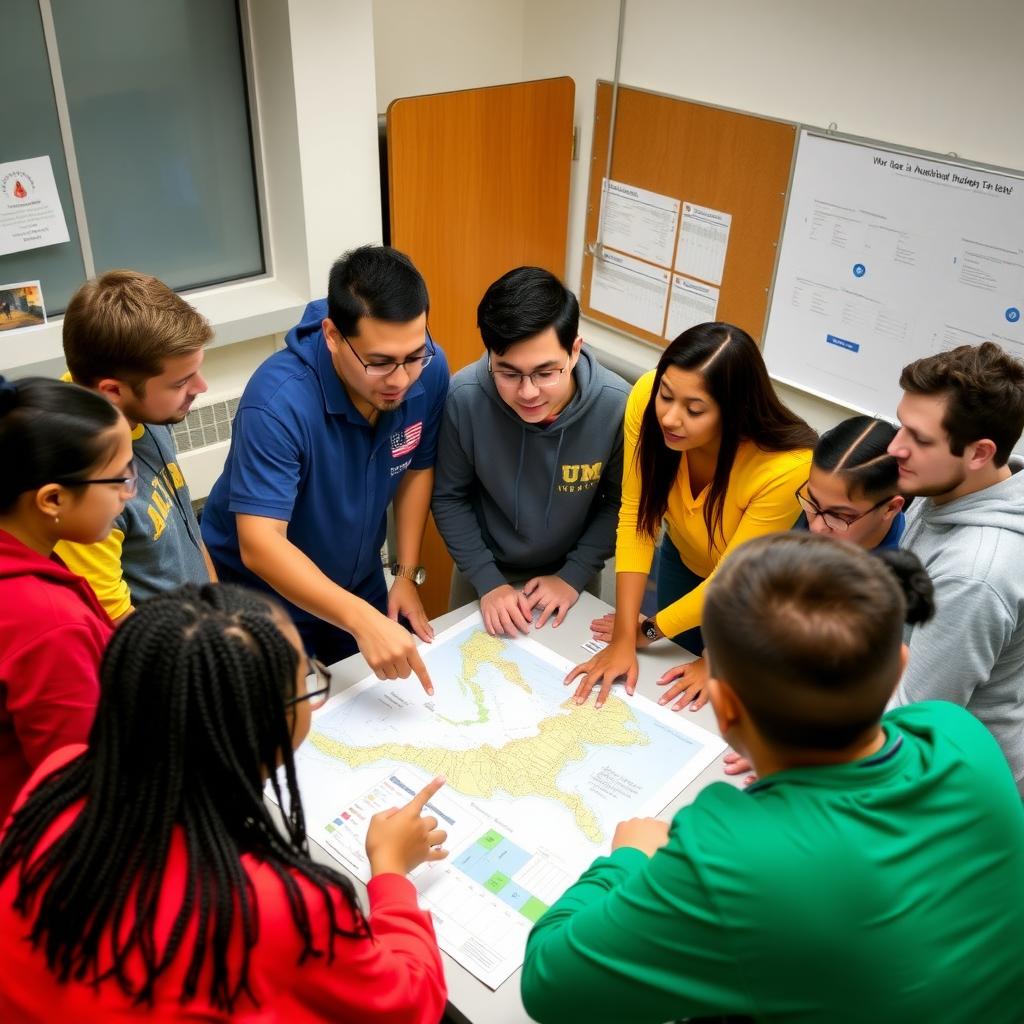
Service learning isn’t always easy. Here are some challenges you might face and how to handle them: - Time: College is busy. Pick a project that fits your schedule—maybe a few hours a week instead of a big commitment. - Finding a Fit: Not sure what to do? Ask your teachers or check your school’s service office for ideas that match your interests. - Balancing Schoolwork: Choose service that ties to your classes. It’ll feel less like extra work and more like part of your studies. Start small, and you’ll find it’s easier than you think.
Tips for Getting Started
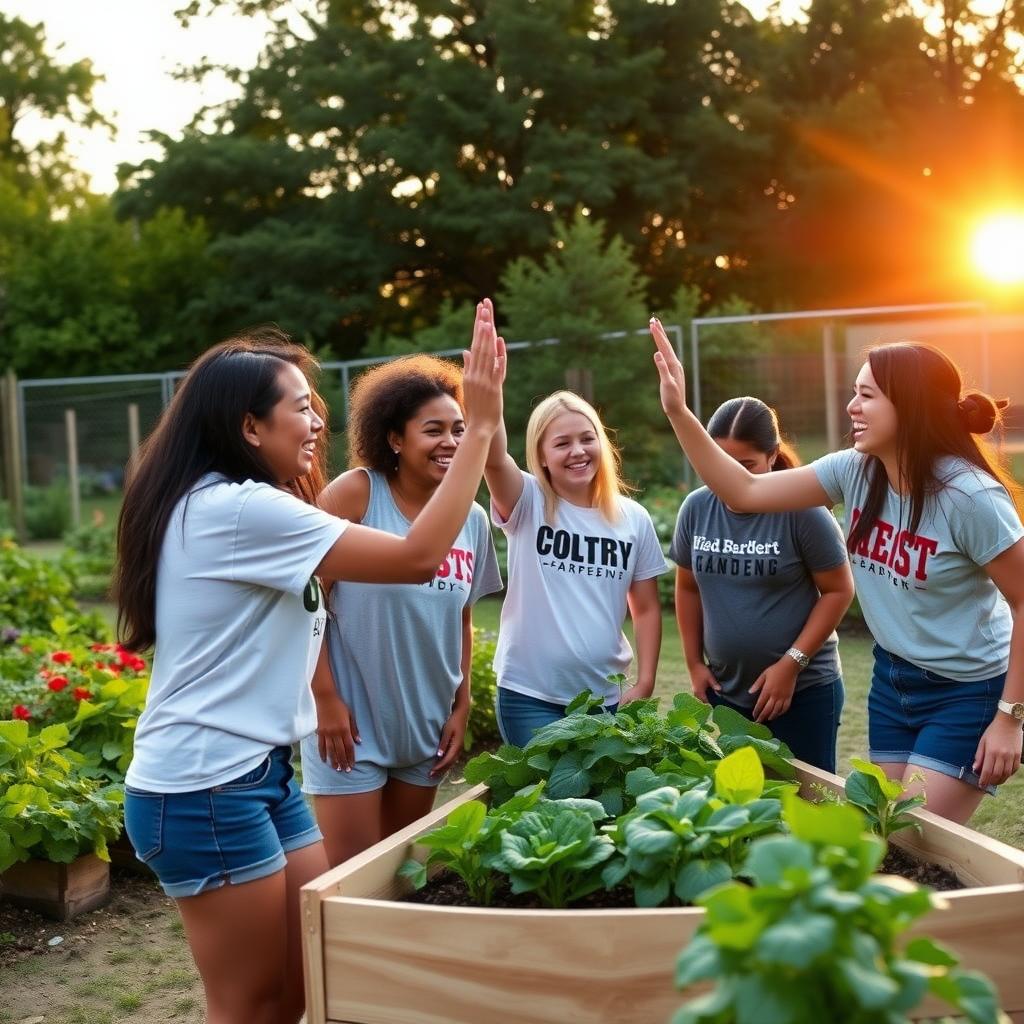
Ready to try service learning? Here’s how to jump in: 1. Start Small: Pick a short project to test it out. 2. Ask for Help: Your school’s advisors or teachers can guide you. 3. Match Your Classes: Find service that relates to what you’re studying. 4. Stay Open: You might find a new interest or skill. 5. Think About It: Reflect on what you’re doing to get the most out of it. You don’t need to do everything at once. Take it step by step.
Service Learning vs. Volunteering: What’s the Difference?
Both are great, but they’re not the same. Here’s a quick look:
| Feature | Service Learning | Regular Volunteering |
|---|---|---|
| Goal | Learn while helping | Help others |
| School Connection | Tied to your classes | Not usually school-related |
| Reflection | A big part of it | Up to you |
| Outcome | Skills + knowledge | Feel-good experience |
Service learning gives you more than just a good deed—it’s a learning tool.
Recommended Readings
- Service Learning and Its Impact on College Students - Stanford University
- Volunteer Abroad: Opportunities for College Students
- How to Find Volunteer Opportunities for College Students