Transforming Classrooms: The Impact of Service Learning Experiences in Education
Explore service learning experiences in education that blend hands-on volunteer work with academic goals. Discover real student stories, key benefits, and tips to start your own program for deeper learning and community impact.
4 min read
A Quick Overview
Service learning experiences in education turn students into active changemakers. By combining classroom lessons with volunteer work in the community, these programs build skills, empathy, and real-world knowledge. In this article, we'll dive into what service learning means, its benefits, personal stories from the field, and practical steps to get started. Whether you're a teacher, parent, or student, you'll find inspiration here to make a difference.
What Is Service Learning?
Service learning is more than just volunteering. It weaves community service right into the school curriculum. Students tackle real problems while meeting learning goals. For example, a history class might research local landmarks and then work with elders to preserve them.
This approach started gaining traction in the 1960s, but today it's everywhere from elementary schools to universities. According to the National Youth Leadership Council, service learning helps kids apply what they learn in class to everyday life.
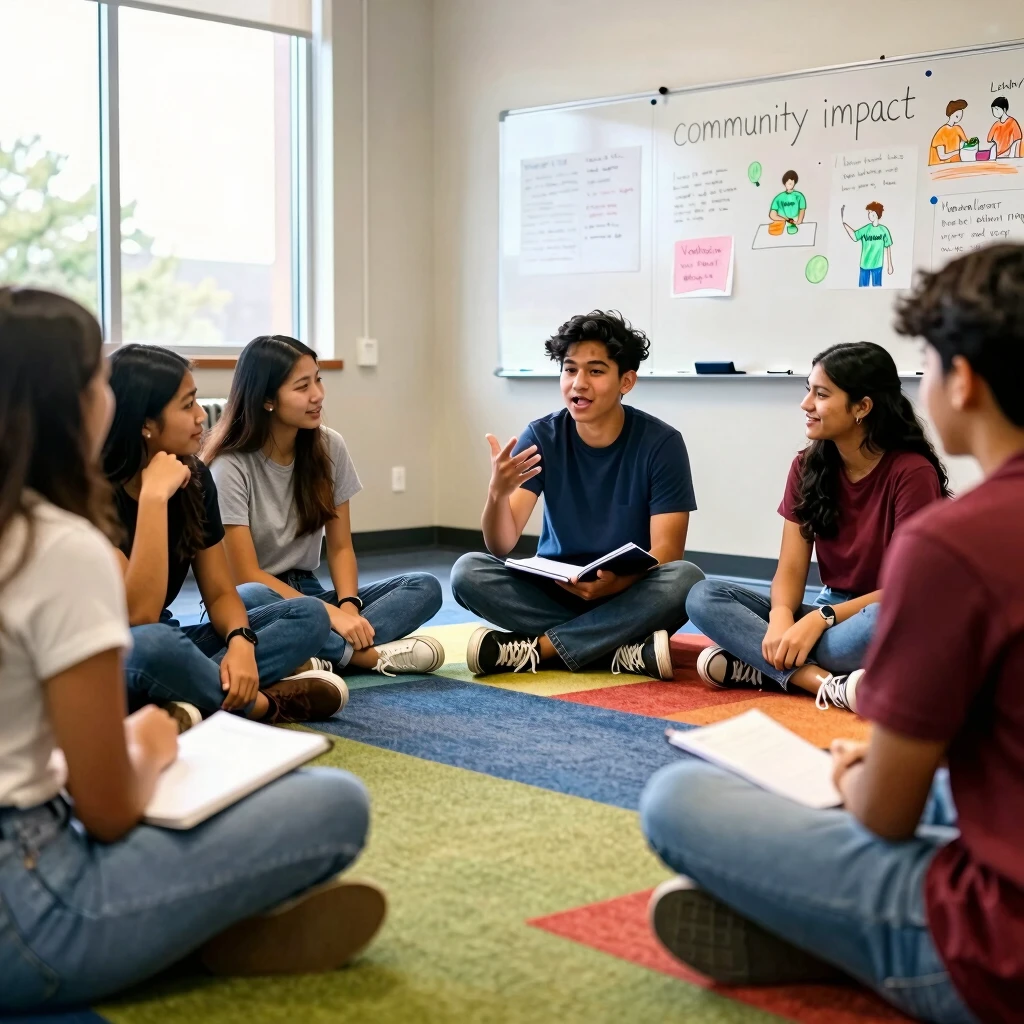
Think of it as a bridge between books and boots-on-the-ground action. Teachers plan projects where students volunteer their time and talents. The key? Reflection. After the work, students discuss what they learned, how it felt, and what they'd change next time.
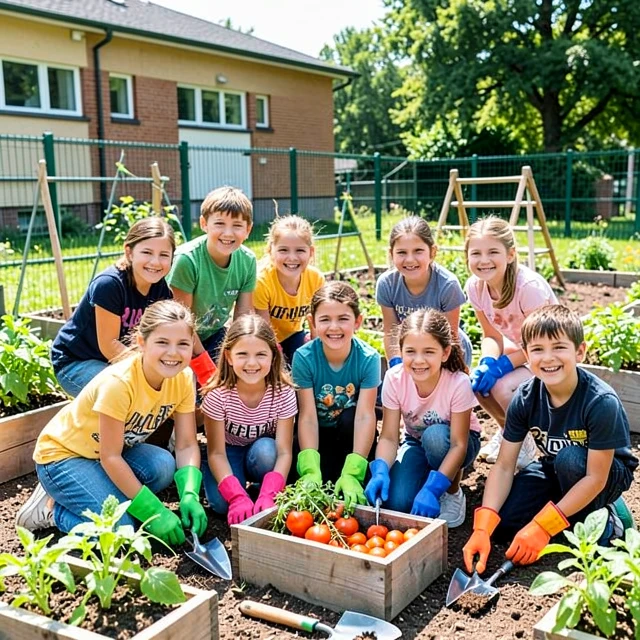
I've seen this firsthand as a former educator. In my third-grade class, we planted a community garden. Kids measured soil pH for science and wrote grants for funding in language arts. It wasn't just fun—it stuck with them.
Why Service Learning Matters: Key Benefits
Service learning experiences in education offer huge wins for everyone involved. Students don't just memorize facts—they live them. Let's break down the top perks.
| Benefit | How It Helps Students | Real-World Example |
|---|---|---|
| Builds Empathy | Students meet people from different backgrounds | Tutoring refugees, learning their stories |
| Boosts Academic Skills | Applies math/science to projects | Calculating food donations for a shelter |
| Develops Leadership | Leads teams in volunteer efforts | Organizing a school-wide cleanup day |
| Increases Engagement | Makes school feel relevant | Linking history lessons to local history tours |
| Fosters Civic Responsibility | Teaches voting and advocacy basics | Campaigning for park improvements |
Research backs this up. A study from the University of Massachusetts Dartmouth found that kids in service learning programs scored higher on tests and felt more connected to school. Check out the full report here.
From my view, the biggest gift is confidence. Shy students who volunteer often step up in class discussions. They realize their voice matters.
Real Stories: Service Learning in Action
Nothing beats hearing from those who've lived it. Here are a few tales from students and teachers who've embraced service learning.
Take Sarah, a high school junior from Montpelier, Vermont. Her physics class tested air quality downtown. They shared results with city officials to push for cleaner streets. 'It felt like our work mattered,' Sarah said. This project, highlighted by Edutopia, turned abstract science into a tool for change.
Then there's Jamal, a college freshman at Purdue University. In his human development class, he led meetings at the YWCA to support domestic violence survivors. 'I went in nervous but left knowing how to listen and help,' he shared. Stories like his show how service learning builds emotional smarts. Read more on Purdue's site.

In my own experience, a middle school group I mentored created flashcards for refugee families new to our town. They translated appliance instructions into Swahili. One girl, Mia, beamed as a mom hugged her: 'You made our kitchen safe.' Moments like that? Pure magic. Inspired by projects from Trevor Muir's blog.
These stories highlight a truth: service learning isn't one-size-fits-all. It adapts to ages and places, from urban tutoring to rural cleanups.
Getting Started: How to Launch Service Learning
Ready to try? Start small. Here's a step-by-step guide to weave service learning into your classroom or school.
-
Pick a Theme: Link it to your curriculum. For English class? Write letters to soldiers.
-
Find Partners: Reach out to local nonprofits. Libraries, food banks, or animal shelters love volunteers.
-
Plan Together: Set clear goals. How many hours? What skills to practice?
-
Do the Work: Schedule volunteer days. Safety first—get permissions and transport.
-
Reflect and Share: End with journals or presentations. What changed for you?
The Association for Middle Level Education offers free toolkits to kick things off. Pro tip: Involve students in planning. They own it more that way.
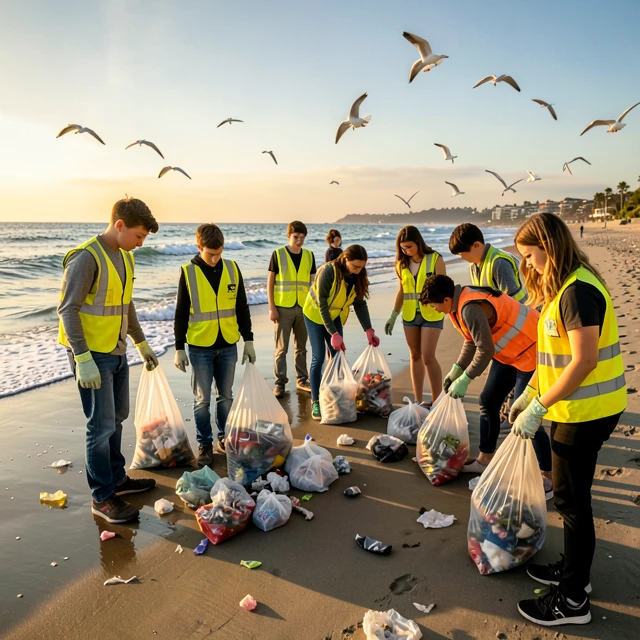
I once skipped the big planning meeting to let kids brainstorm. They chose a beach cleanup over my park idea. Engagement soared.
Facing Challenges Head On
No program is perfect. Time crunches, funding woes, or shy participants can trip you up. But solutions exist.
Busy schedules? Integrate short bursts, like weekly calls to shut-ins. Low budget? Partner with grants—sites like Grants.gov list education funds.
For hesitant kids, pair them with buddies. Reflection circles build trust. Remember, growth comes from trying, not perfection.
In tough spots, like during the pandemic, teachers pivoted to virtual service. Miami instructors shared online resources with community groups. Their story proves adaptability wins.
Wrapping It Up: Your Turn to Serve
Service learning experiences in education prove that learning thrives outside desks. Through volunteer work, students gain empathy, skills, and purpose. From garden plots to beach cleanups, these programs spark lasting change.
Don't wait—start small today. Your classroom could be the next story that inspires. What's one project you'll try?