Transforming Education Through Service Learning Experiences
Explore how service learning experiences in education empower students to grow academically and personally. This comprehensive guide dives into real-world examples, benefits, and actionable insights for integrating volunteer-based learning into classrooms effectively.
4 min read
Overview: What Is Service Learning?
Service learning experiences in education combine classroom instruction with meaningful volunteer work. Students apply academic skills to real-world problems, fostering personal growth and civic responsibility. This approach creates a win-win: communities benefit from student contributions, while learners gain practical skills and empathy.
Why Service Learning Matters
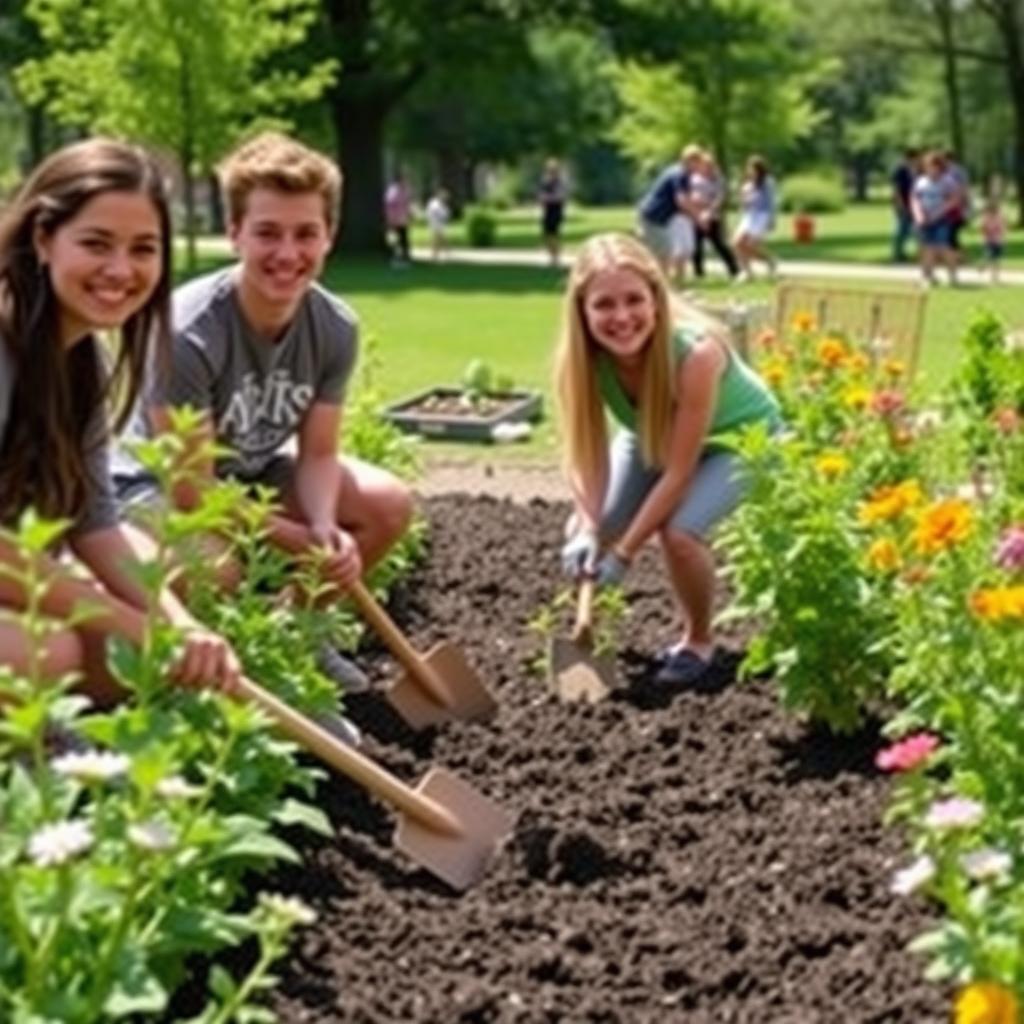
Service learning isn’t just about volunteering—it’s about connecting education to purpose. Imagine a high school student studying environmental science who plants trees in a local park. They’re not just learning about ecosystems; they’re actively improving one. This hands-on approach makes lessons stick.
Studies show service learning boosts academic performance and emotional intelligence. According to a 2017 report from the National Service-Learning Clearinghouse, students engaged in service learning scored 15% higher on critical thinking assessments than peers in traditional classrooms. It’s education with impact.
Real-World Examples of Service Learning
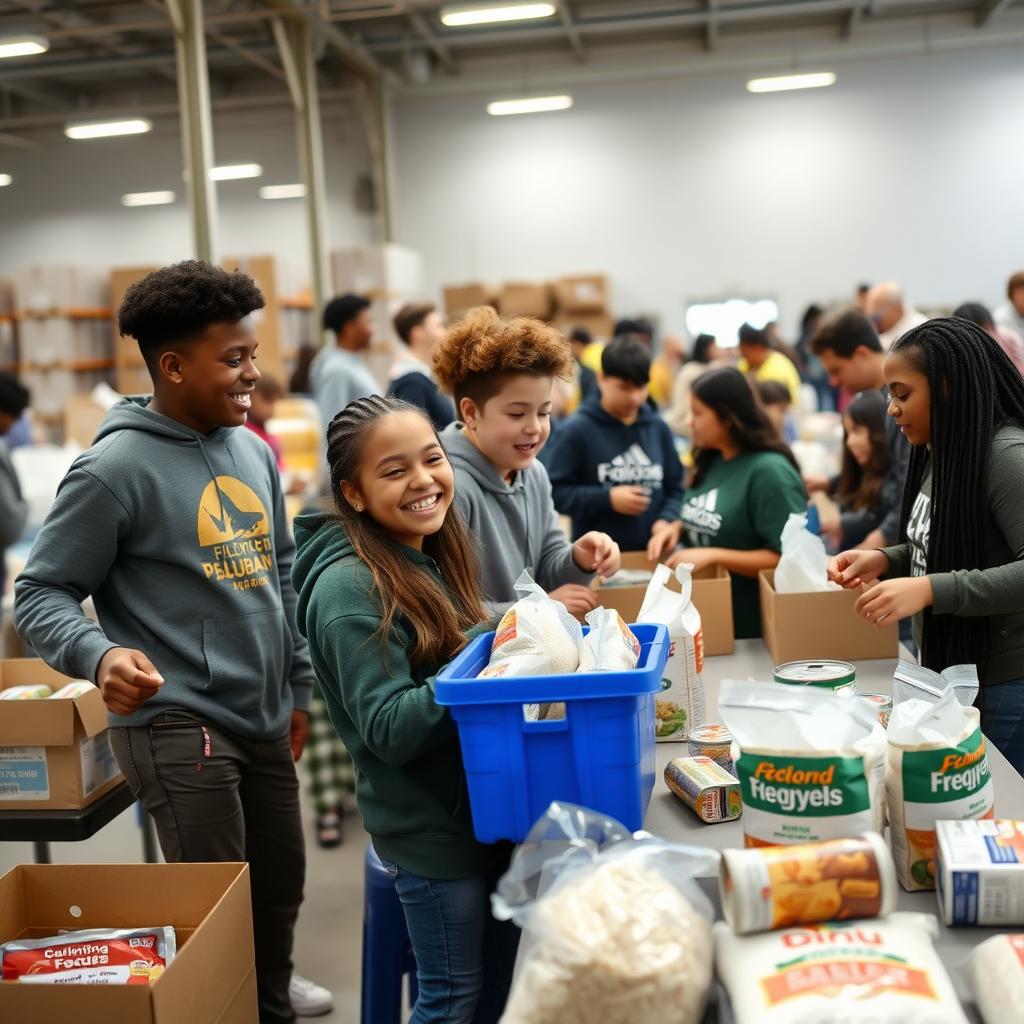
Let’s look at a few ways service learning comes to life. In a small town in Ohio, middle schoolers partnered with a local food bank to study hunger. They didn’t just read about it—they organized a food drive, sorted donations, and learned about logistics. One student, Sarah, said, “I never realized how many families needed help until I saw the empty shelves.”
In another case, college students in California designed a community garden as part of a biology course. They researched native plants, collaborated with residents, and built a sustainable green space. The project wasn’t just about grades—it created a lasting community asset.
Benefits for Students
Service learning experiences in education offer benefits that go beyond the classroom. Here’s how they help:
- Academic Growth: Students apply concepts like math or science to real problems, making learning relevant.
- Empathy and Leadership: Working with diverse communities builds compassion and teamwork skills.
- Career Readiness: Volunteer projects teach time management, communication, and problem-solving.
- Civic Engagement: Students feel empowered to make a difference, fostering lifelong activism.
For example, a 2020 study by the Corporation for National and Community Service found that 78% of students in service learning programs felt more confident in their leadership abilities.

How to Implement Service Learning
Want to bring service learning into your classroom? It’s easier than you think. Here’s a step-by-step guide:
- Identify Community Needs: Talk to local organizations to find projects that align with your curriculum.
- Set Clear Goals: Tie the project to specific learning outcomes, like understanding civic issues or applying scientific methods.
- Engage Students: Let them choose projects they’re passionate about to boost motivation.
- Reflect and Assess: Encourage students to journal or discuss what they learned to deepen the experience.
- Celebrate Impact: Share the project’s success with the school and community to build pride.
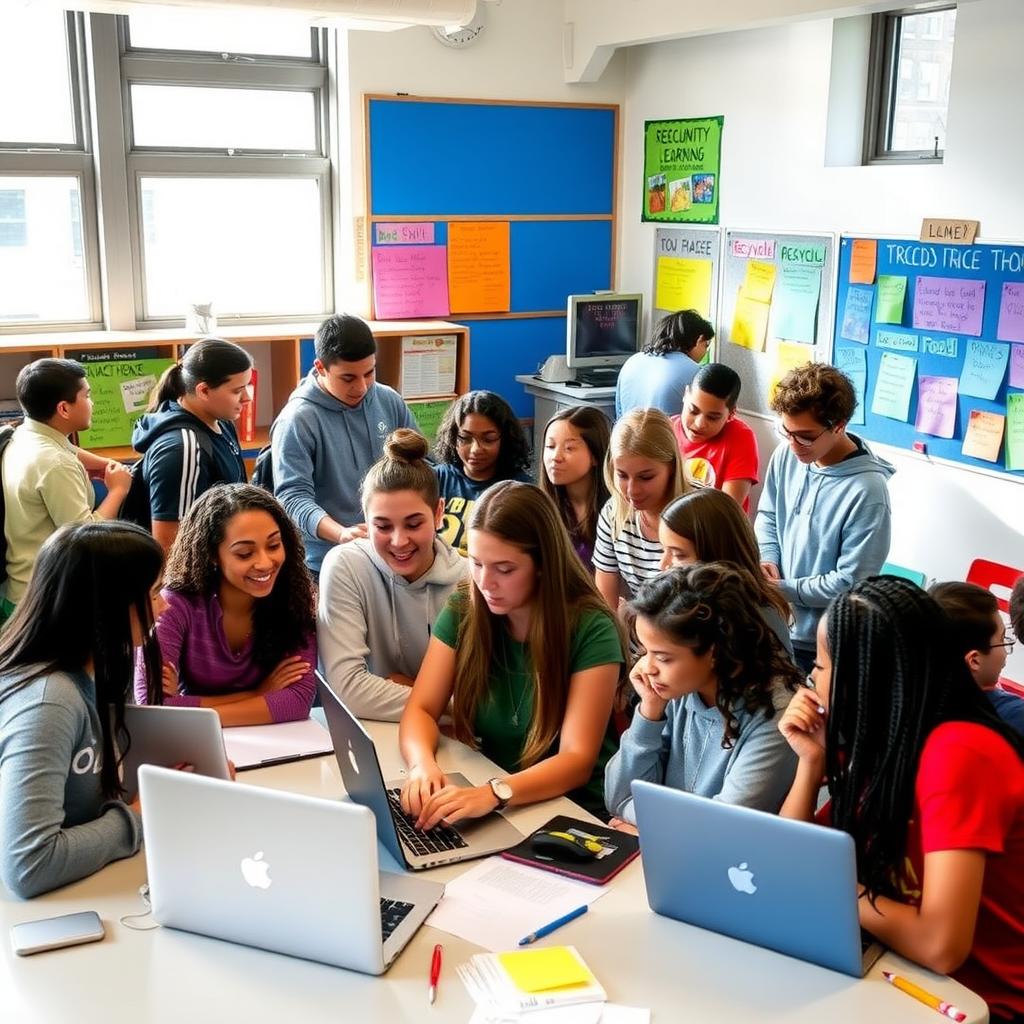
A teacher I know, Ms. Carter, started small with a recycling campaign. Her students researched waste reduction, created posters, and led school-wide efforts. By the end, they diverted 200 pounds of recyclables from landfills—and learned about environmental policy along the way.
Challenges and Solutions
Service learning isn’t without hurdles. Time constraints, funding, and coordinating with community partners can be tricky. Here’s how to tackle them:
| Challenge | Solution |
|---|---|
| Limited time in curriculum | Integrate projects into existing lessons (e.g., use math to track donations). |
| Lack of funding | Seek grants from organizations like Youth Service America. |
| Partner coordination | Assign a student liaison to streamline communication. |
Persistence pays off. When I volunteered as a tutor coordinator, we struggled to schedule sessions. By creating a shared online calendar, we saved hours and kept everyone on track.
Personal Insights: Why I Believe in Service Learning
As someone who’s seen service learning in action, I can’t overstate its impact. I once worked with a group of students who built a website for a nonprofit. They weren’t just coding—they were solving real problems for real people. One student, Jamal, said, “I thought coding was just for games. Now I see it can help others.” That’s the magic of service learning: it shows students their skills matter.
It’s also a chance to grow as a person. I’ve watched shy students become confident leaders after organizing community events. They learn to listen, adapt, and persevere—skills no textbook can teach.
Tips for Students and Educators
If you’re a student, dive into service learning with an open mind. Pick a project that excites you, whether it’s animal welfare or literacy programs. Reflect on what you learn—it’ll help you grow.
For educators, start small. You don’t need a huge budget or perfect plan. Even a single-day volunteer event can spark change. Connect with local nonprofits, and don’t be afraid to ask for help. Resources like Learn and Serve America offer free guides and ideas.
Summary: The Power of Service Learning
Service learning experiences in education transform how students learn and grow. By blending volunteer work with academics, they create meaningful connections between classrooms and communities. From building gardens to fighting hunger, these projects teach skills, empathy, and responsibility. Ready to make a difference? Start small, stay curious, and watch the impact unfold.