Transformative Service Learning Experiences in Education: Empowering Students Through Volunteer Action
Explore how service learning experiences in education combine academics with volunteer work to build skills, empathy, and community impact. Discover benefits, examples, and implementation tips in this in-depth guide.
4 min read
Overview
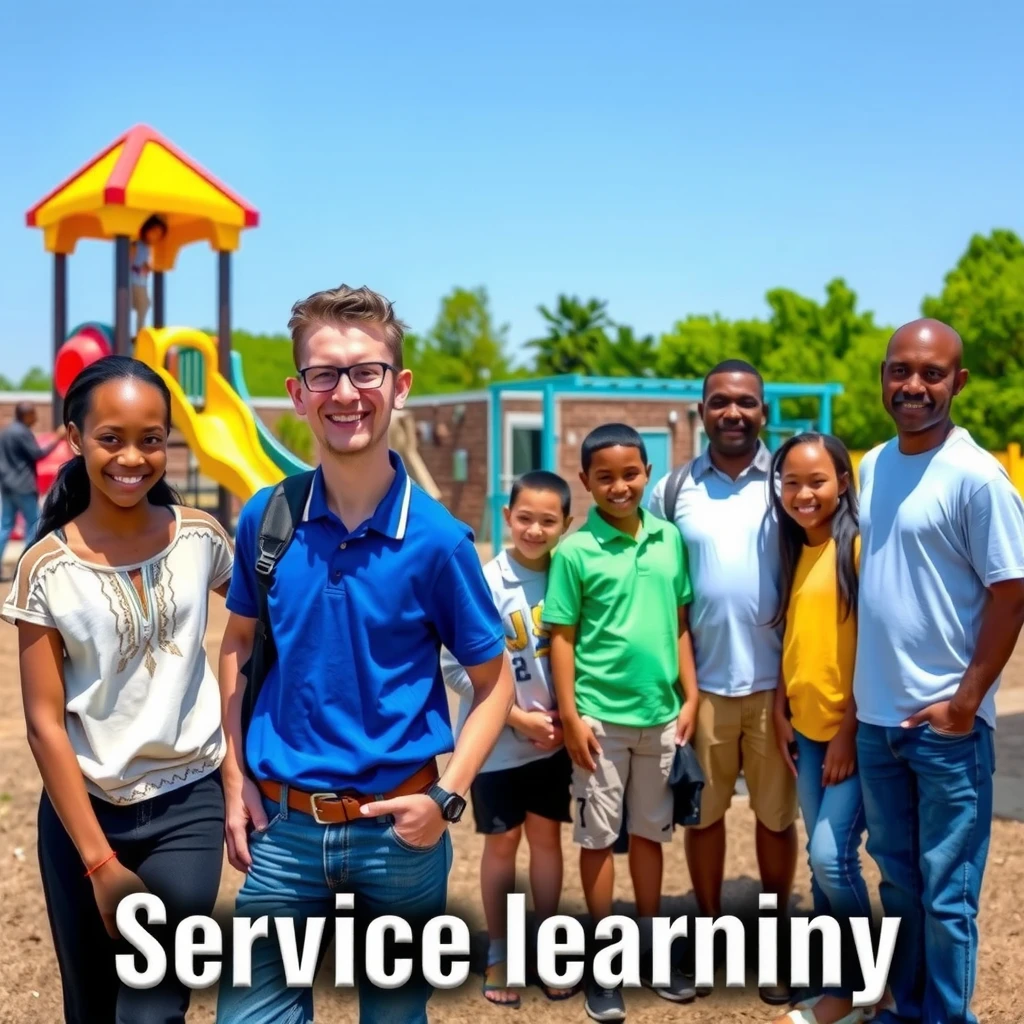
Service learning experiences in education blend classroom lessons with real-world volunteer work. Students apply what they learn to help communities, while reflecting on their actions. This method builds skills, empathy, and a sense of purpose in young people.
What Is Service Learning?
Service learning is more than just volunteering. It connects academic goals with community needs. Students use what they study in class to tackle real problems. For example, a history class might work with local museums to preserve stories from elders.
Teachers guide the process. They help students plan projects, do the work, and think about what happened. This reflection turns simple volunteer tasks into deep learning moments. Unlike regular community service, service learning ties back to school subjects. It makes lessons stick because students see them in action.
Experts define it as an approach where students learn theories in school and apply them through volunteer efforts with agencies or groups. This comes from sources like Elmhurst University, which highlights how it boosts student growth.
Benefits of Service Learning Experiences in Education
Service learning offers many rewards for students, schools, and communities. Students gain hands-on skills that books alone can't teach. They learn to lead teams, solve problems, and communicate better.
One big plus is building empathy. When students work with people from different backgrounds, they understand others' struggles. This fosters kindness and reduces biases. Studies show that participants become more active citizens later in life.
Academically, it improves grades and retention. Students who join service learning often score higher in subjects like math and science because they use concepts in real settings. For instance, a biology class might test water quality in local rivers, making abstract ideas concrete.
Here are some key benefits in a list: - Personal Growth: Builds confidence and self-awareness through challenges. - Social Skills: Encourages teamwork and networking with community members. - Career Readiness: Develops job skills like time management and adaptability. - Community Impact: Addresses real needs, like food insecurity or environmental issues. - Academic Enhancement: Reinforces classroom learning with practical application.
The National Youth Leadership Council notes that service learning helps students use their voice to make change. It turns passive learners into active leaders.
Real Examples of Service Learning Projects
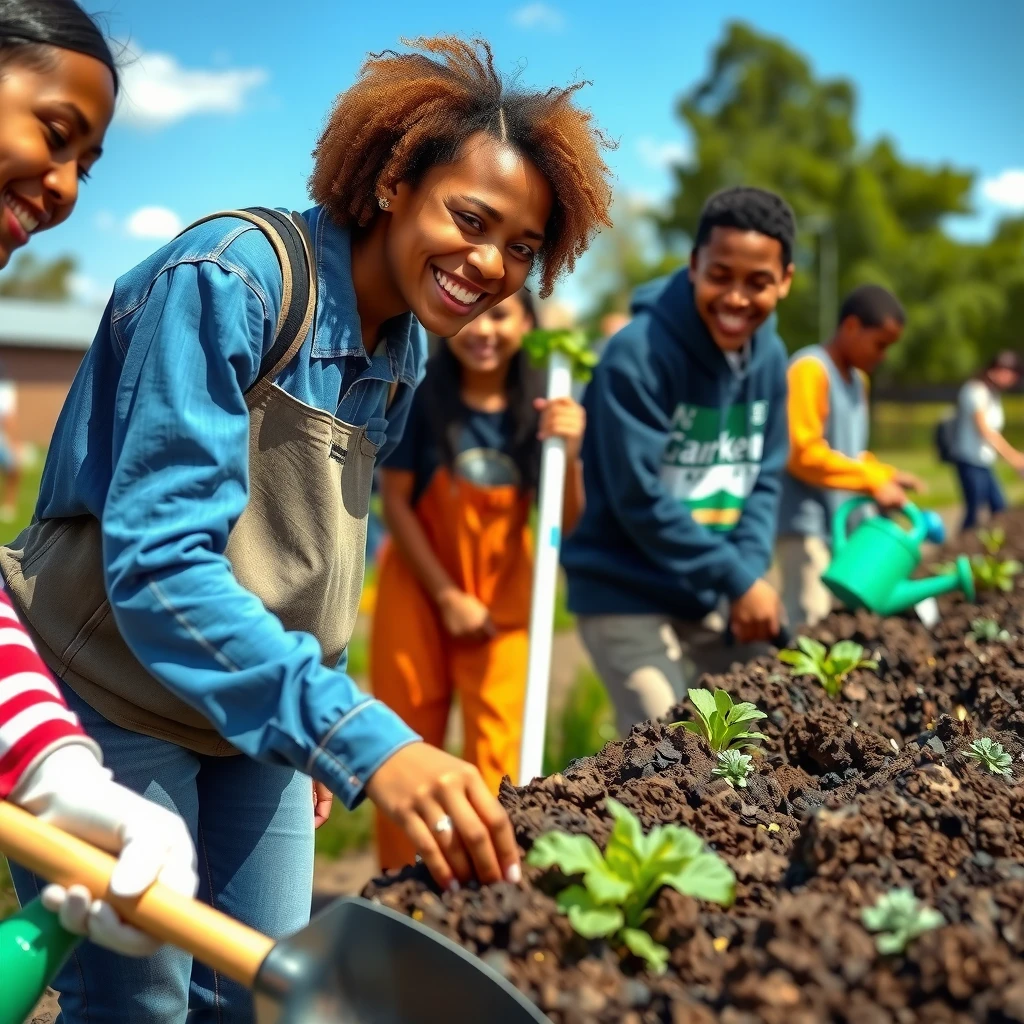
Schools across the country run exciting service learning programs. In one case, students in a language class tutor immigrants learning English. They practice speaking skills while helping others settle in.
Another example involves environmental science. Kids survey local parks for pollution and create cleanup plans. They present findings to city officials, learning about policy along the way.
Health classes might partner with nursing homes. Students organize activities for seniors, applying lessons on aging and wellness. These projects show how service learning fits any subject.
Here's a table of sample projects:
| Subject | Project Idea | Community Benefit |
|---|---|---|
| Science | Building solar-powered devices for low-income homes | Reduces energy costs |
| Art | Creating murals in public spaces | Beautifies neighborhoods |
| Math | Budgeting for a food drive | Helps feed the hungry |
| History | Interviewing veterans for oral histories | Preserves memories |
Personal Insights from Service Learning
I've seen service learning change lives firsthand. One student I know joined a project building homes for families in need. At first, she felt out of place with tools. But by the end, she led a team and gained carpentry skills. She said, 'It showed me I can make a real difference.'
Another story comes from a teacher who ran a literacy program. Students read to young kids in shelters. Reflecting on it, one teen shared how it reminded him of his own struggles, building deeper compassion.
These experiences build resilience. Students face setbacks, like bad weather during outdoor work, and learn to adapt. Personal growth happens when they step outside comfort zones. As one participant put it, 'Service learning gave me confidence to tackle big issues.'
Challenges in Service Learning and How to Overcome Them
Not everything is smooth. One challenge is time. Teachers and students juggle busy schedules. To fix this, start small with short projects.
Finding partners can be tough. Schools need reliable community groups. Build relationships early through meetings and clear goals.
Some see it as extra work, not core learning. Show value with data on improved outcomes. Involve parents to gain support.
Logistics like transport and safety matter too. Plan ahead with budgets and permissions. Reflection is key but often skipped. Use journals or group talks to make it routine.
Edutopia suggests steps like identifying needs, planning actions, and evaluating results. With care, these hurdles become chances to learn.
How to Implement Service Learning in Schools
Ready to start? First, align projects with curriculum goals. Choose topics that match what students study.
Partner with local organizations. Reach out to nonprofits for ideas. Train teachers on best practices through workshops.
Involve students in planning. Let them vote on projects to boost buy-in. Track progress with checklists.
Evaluate success. Survey participants on what worked. Adjust for next time. Resources from the Center for Engaged Learning can guide you.

Summary
Service learning experiences in education transform how students learn and grow. By mixing volunteer work with academics, it creates lasting impacts. Students gain skills, communities thrive, and everyone wins. Try it in your school for real change.