Transforming Education Through Service Learning Experiences
Explore how service learning experiences in education empower students to connect classroom knowledge with real-world impact. This article dives into the benefits, challenges, and practical insights of service learning, with authentic examples and actionable tips for educators and students.
5 min read
Overview
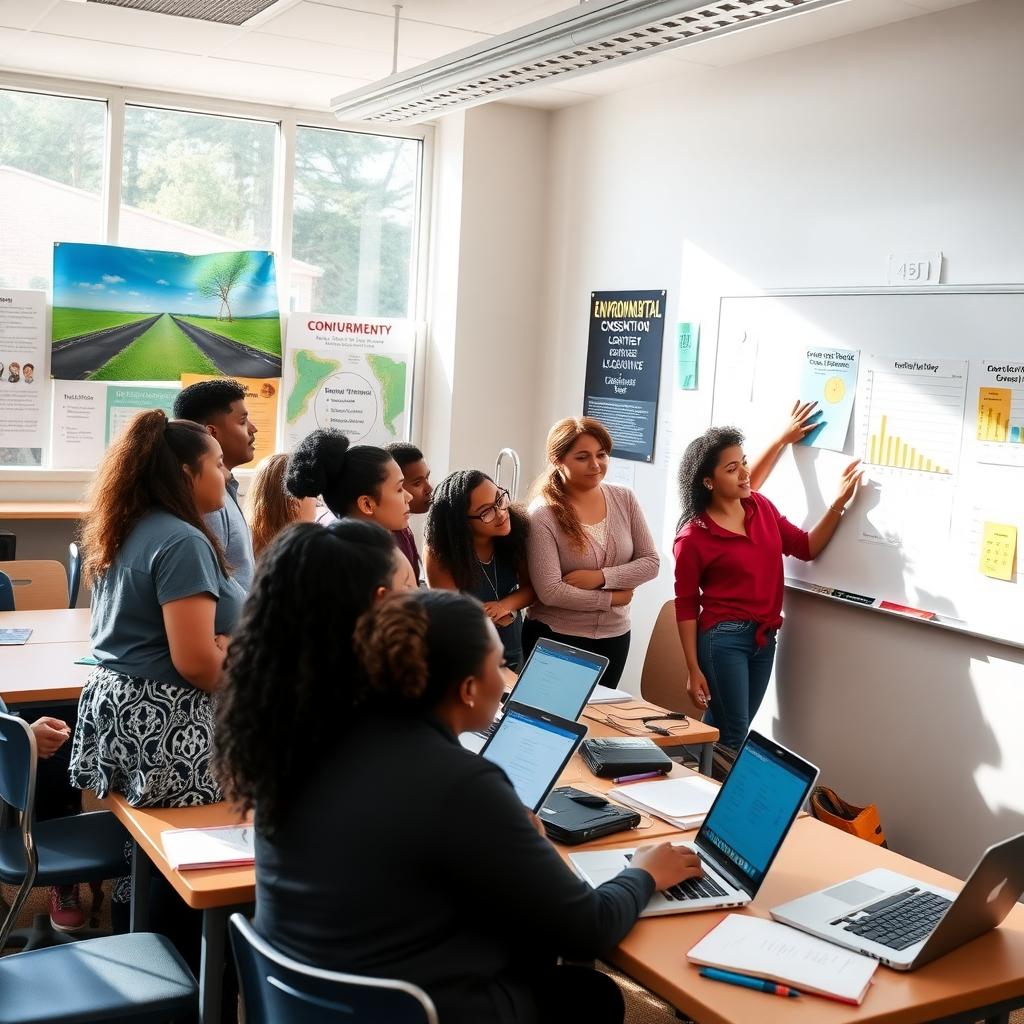
Service learning experiences in education blend academic study with community service, creating powerful opportunities for students to grow. By volunteering in real-world settings, students apply classroom knowledge, develop skills, and foster civic responsibility. This article explores the impact of service learning, sharing insights and practical strategies for success.
What Is Service Learning?
Service learning is more than volunteering—it's a teaching method that combines community service with academic goals. Students engage in projects that meet real community needs while reflecting on their experiences to deepen learning. Unlike traditional volunteering, service learning ties directly to coursework, ensuring both personal growth and academic progress.
For example, a biology student might volunteer at a local environmental nonprofit, applying ecological principles to restore a wetland. This hands-on work reinforces their studies while benefiting the community. Research from the National Youth Leadership Council shows service learning boosts engagement, critical thinking, and civic awareness.

Why Service Learning Matters
Service learning experiences in education offer unique benefits. They bridge the gap between theory and practice, making learning relevant. Students gain skills like teamwork, problem-solving, and communication, which employers value. A study from Frontiers in Education found that undergraduates who participated in service learning reported higher confidence in applying their knowledge to real-world problems.
Beyond academics, service learning fosters empathy and social responsibility. Students working with underserved communities often gain a deeper understanding of social issues. For instance, a student tutoring at a local shelter might learn about systemic poverty, sparking a lifelong commitment to advocacy.
Real-World Examples of Service Learning
To understand the impact, consider a nursing student volunteering at a community health clinic. By assisting with patient screenings, they apply medical knowledge while addressing local healthcare gaps. Reflection sessions afterward help them connect their experiences to coursework, enhancing their understanding of public health challenges.
Another example involves education majors designing literacy programs for local schools. They create lesson plans, teach children, and reflect on their teaching methods. This not only improves their skills but also directly benefits young learners. These examples show how service learning creates a win-win for students and communities.
Benefits for Students and Communities
Service learning offers a range of benefits:
- Academic Growth: Students apply concepts in real settings, deepening understanding. For example, engineering students building sustainable structures for a nonprofit learn practical applications of design principles.
- Personal Development: Volunteering builds confidence, empathy, and leadership. A meta-analysis in the Journal of Experiential Education found service learning improves self-efficacy and interpersonal skills.
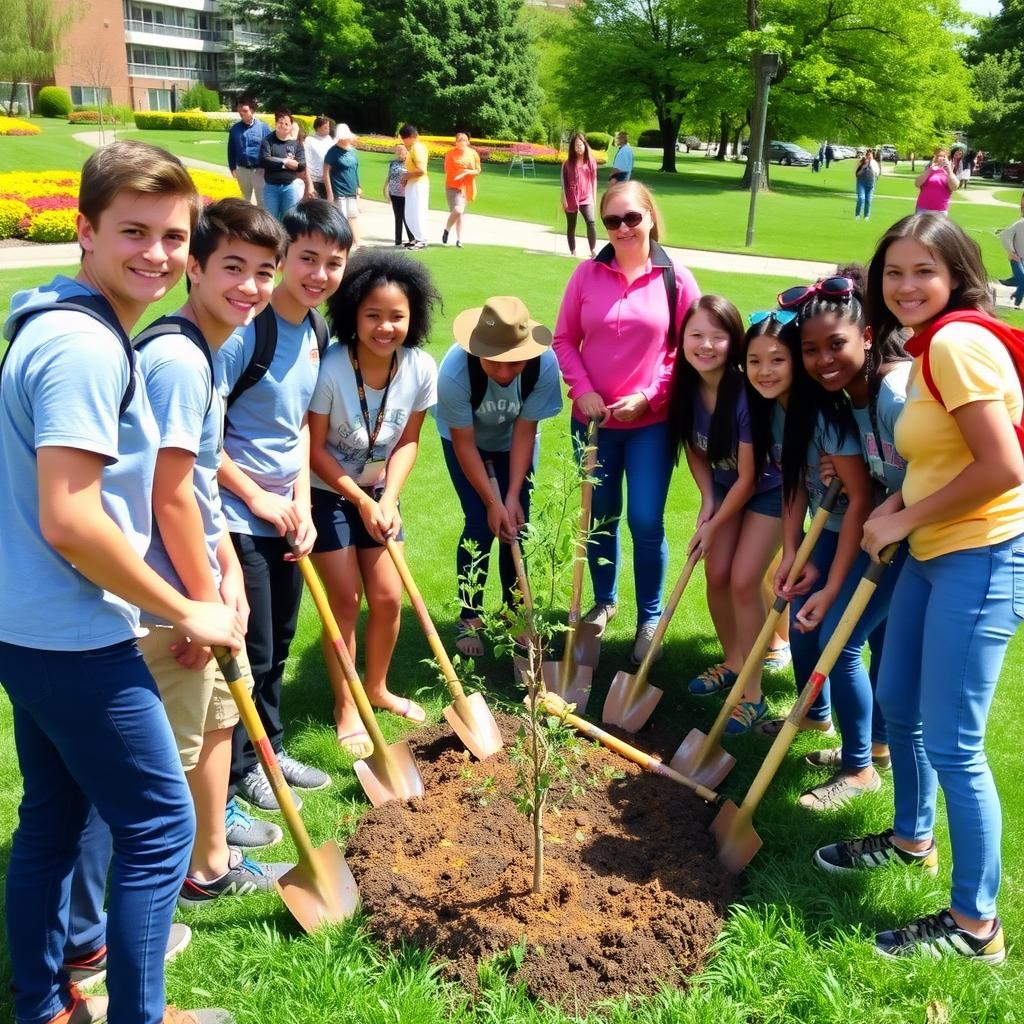
- Community Impact: Projects address real needs, from food drives to environmental cleanups, creating lasting change.
- Career Readiness: Students gain practical skills and networks, making them more competitive in the job market.
Communities benefit from fresh ideas and energy. Nonprofits often gain new perspectives from students, while local residents receive tangible support, like improved public spaces or access to services.
Challenges and How to Overcome Them
Service learning isn’t without hurdles. Students may feel overwhelmed balancing coursework and volunteer commitments. Time management is key—setting clear schedules and prioritizing tasks can help. Educators can support this by integrating service hours into class time or offering flexible deadlines.
Another challenge is ensuring meaningful community impact. Poorly planned projects can feel tokenistic. To avoid this, educators should partner with community organizations early, aligning projects with actual needs. For example, a school partnering with a food bank should ask what specific support is required, like sorting donations or creating meal plans.
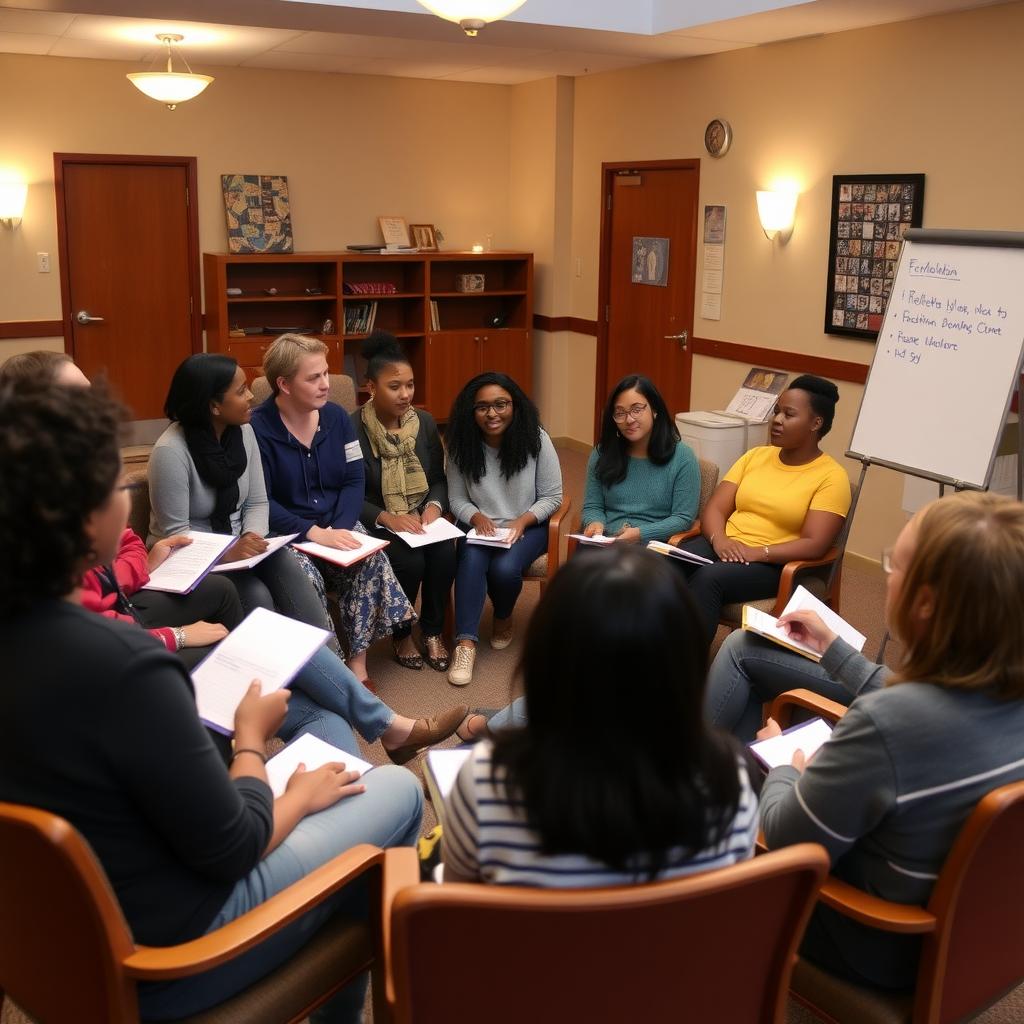
Reflection is also critical but often overlooked. Without guided reflection, students may miss the deeper lessons. Structured activities, like journals or group discussions, help students process their experiences and connect them to academic goals.
Practical Tips for Implementing Service Learning
Here’s how educators and students can make service learning effective:
| For Educators | For Students |
|---|---|
| Partner with local organizations to identify real needs. | Choose projects that align with your interests and studies. |
| Design clear learning objectives tied to service tasks. | Keep a journal to reflect on what you learn and feel. |
| Provide reflection tools, like guided questions or group talks. | Communicate openly with community partners about goals. |
| Offer flexibility for students with busy schedules. | Seek feedback to improve your contributions. |
These steps ensure service learning is meaningful and manageable. For instance, a professor might collaborate with a local environmental group to design a project where students test water quality, tying it to chemistry lessons. Students can then reflect on how their work impacts local ecosystems.
My Perspective on Service Learning
As someone who’s seen service learning in action, I believe it’s a game-changer. I once observed a group of students transform a neglected community garden. They didn’t just plant flowers—they learned about soil science, collaborated with residents, and saw the pride their work brought to the neighborhood. The experience stuck with them, shaping their career goals and sense of purpose.
What makes service learning special is its ability to make education feel alive. It’s not just about grades; it’s about making a difference. Students often tell me they feel more connected to their studies and communities after these experiences. The key is ensuring projects are authentic and reflective, not just busywork.
The Future of Service Learning
Service learning is growing, especially as schools prioritize real-world skills. With technology, e-service learning is emerging, allowing students to volunteer remotely. For example, students might create digital resources for nonprofits, expanding access for those with mobility or geographic barriers. Studies from PMC show e-service learning can match traditional methods in learning outcomes, making it a promising frontier.
As education evolves, service learning can address global challenges like sustainability and social justice. By embedding these experiences in curricula, schools can prepare students to be active, compassionate citizens.
Summary
Service learning experiences in education transform students and communities. By blending volunteer work with academic goals, students gain skills, empathy, and purpose. Challenges like time management and project planning can be overcome with thoughtful design. As service learning grows, it promises to shape engaged, capable graduates ready to tackle real-world issues.