Service Learning Grants and Funding: Fueling Community Impact
Discover how service learning grants and funding empower students and communities through hands-on education. This comprehensive guide explores finding, applying for, and managing grants to create lasting change through volunteer-driven projects.
5 min read
Overview
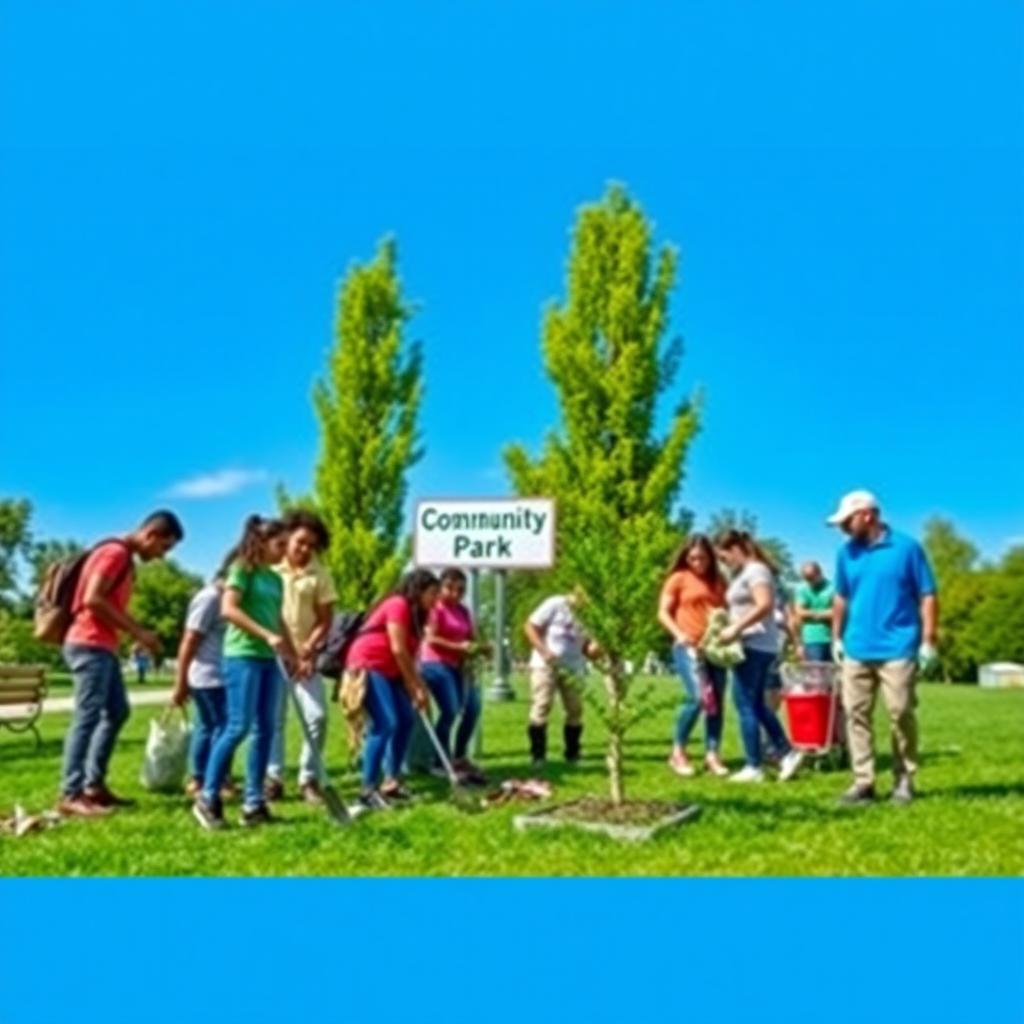
Service learning blends education with community service, letting students learn while making a difference. But these projects need money to succeed. Service learning grants and funding provide the resources to turn ideas into reality, supporting volunteers and creating lasting community impact. This guide dives into how to find, win, and manage these grants effectively.
What Is Service Learning?
Service learning is more than just volunteering. It’s a teaching method that connects classroom lessons to real-world action. For example, a student studying environmental science might volunteer to clean a local river, applying what they’ve learned about ecosystems. This hands-on approach helps students grow while addressing community needs. Unlike regular volunteering, service learning requires reflection, tying the experience back to academic goals. It builds skills like teamwork, problem-solving, and leadership, all while fostering civic responsibility.
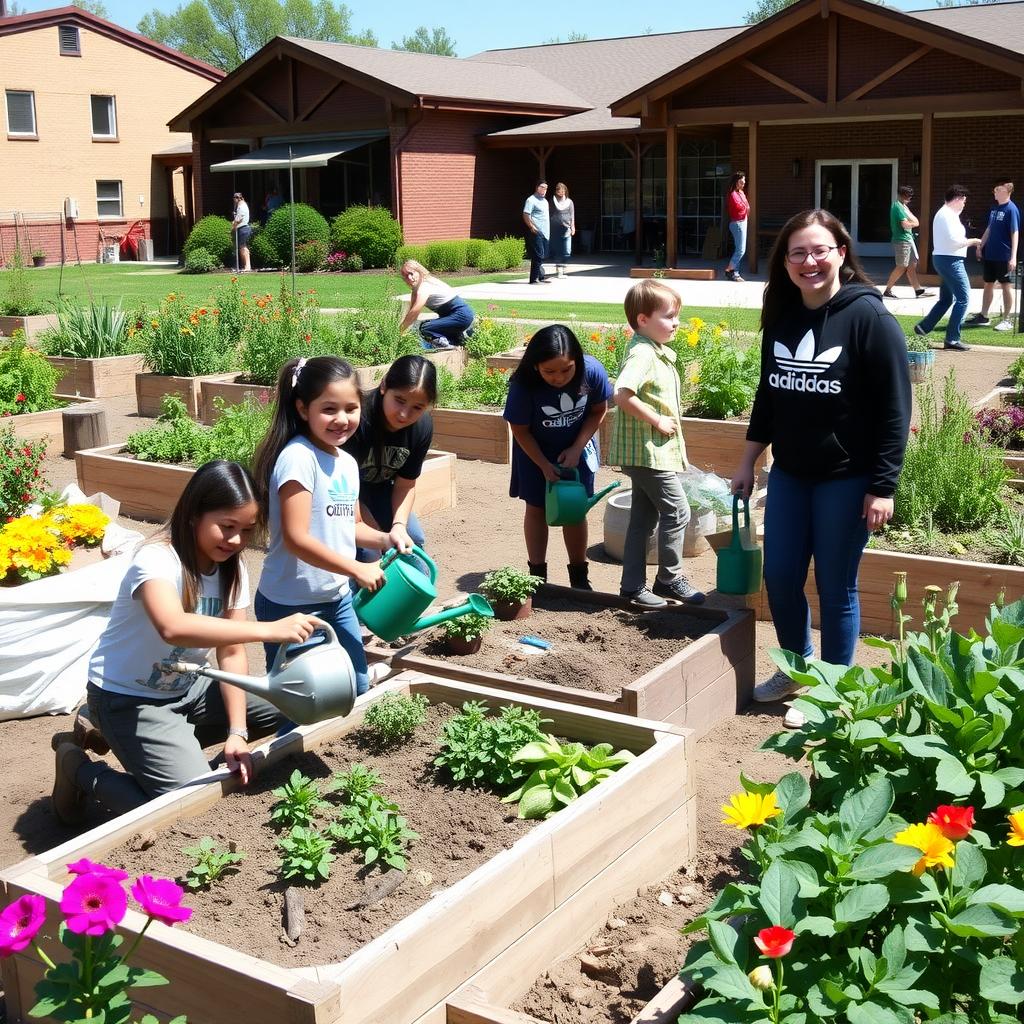
I’ve seen service learning in action. In a project I helped with, high school students built a community garden to learn about biology. They didn’t just plant seeds—they researched soil, collaborated with locals, and reflected on how their work fed families. The pride in their eyes was unforgettable. But projects like this need funding to cover tools, seeds, or even transportation. That’s where service learning grants and funding come in.
Why Funding Matters
Without money, even the best service learning ideas can stall. Grants cover essentials like supplies, training, or stipends for volunteers. They also lend credibility, showing others your project matters. A funded project can grow, involve more people, and create bigger change. For instance, a small grant once turned a single classroom’s recycling effort into a school-wide program. Local businesses noticed and chipped in, creating a ripple effect.
According to the National Service-Learning Clearinghouse, funded projects keep participants engaged and deliver measurable community benefits. Their data shows students in funded programs report higher motivation and better academic outcomes. Funding isn’t just about money—it’s about sustaining momentum and proving impact.
Types of Service Learning Grants
There are several types of grants to explore for service learning projects. Each has unique benefits and requirements. Here’s a breakdown:
- Federal Grants: Programs like Learn and Serve America offer funding for schools and nonprofits. They focus on civic engagement and education.
- State and Local Grants: Many states have education departments with grants for local projects. Check your state’s website or Grants.gov for options.
- Private Foundations: Groups like the W.K. Kellogg Foundation fund innovative education projects. They often prioritize underserved communities.
- Corporate Grants: Businesses, especially local ones, may support projects that align with their values, like sustainability or youth development.
- School Grants: Colleges and universities often have internal funds for student-led initiatives.
Each source has its own rules, so research carefully to find the best fit.
I once helped a group apply for a state grant to fund a tutoring program. We spent hours matching our project to the funder’s goals—youth education and community support. It worked because we showed how every dollar would help kids read better and stay in school.

How to Find Service Learning Grants
Finding the right grant takes effort, but the options are out there. Start with online databases like Grants.gov or the National Service-Learning Clearinghouse. Networking helps too—talk to colleagues, attend workshops, or join groups like Campus Compact, which connects educators with funding opportunities. I found a great lead once just by chatting at a community event. Use keywords like 'service learning' or 'volunteer projects' to narrow your search, and keep a calendar of deadlines to stay organized.
Pro tip: Don’t overlook local foundations. They’re often less competitive than national ones. A friend of mine secured a $1,000 grant from a local bank for a student-led cleanup project. It was small but enough to get started.
Writing a Winning Grant Proposal
A strong proposal grabs attention and shows your project’s value. Here’s how to make yours stand out:
- Know Your Funder: Research their mission. If they care about youth, highlight how your project empowers students.
- Tell a Story: Share a real example of your project’s impact, like a student who gained confidence through volunteering.
- Be Specific: Outline clear goals, steps, and outcomes. Avoid vague promises like 'we’ll help the community.'
- Include a Budget: Show exactly how you’ll spend the money. Funders need to trust your plan.
- Measure Impact: Plan to track results with surveys, photos, or data. Prove your project works.
- Proofread: Typos scream sloppy. Get a second set of eyes to review.
I learned this the hard way. One proposal I wrote was rejected because the budget was unclear. The next time, I detailed every expense—supplies, travel, even snacks—and we won.
Common Mistakes to Avoid
Grant writing isn’t easy, and mistakes can cost you. Here are pitfalls to dodge:
- Ignoring Guidelines: Funders give specific instructions. Follow them exactly.
- Being Too General: Vague goals won’t convince anyone. Be precise about your impact.
- Sloppy Budgets: If funders can’t see where the money goes, they won’t trust you.
- Rushing: Last-minute submissions often have errors. Start early.
- No Follow-Up Plan: Funders want projects that last. Show how you’ll keep it going.
I once missed a deadline by hours because I procrastinated. The lesson? Give yourself a buffer of at least a week.

Managing Grants Effectively
Winning a grant is just the start. Managing it well keeps funders happy and your project on track. Track every dollar spent and report progress regularly. Involve students, teachers, and community members to build ownership. I ran a small project where clear updates—photos, student quotes, and data—kept everyone excited. Thank funders publicly, too. A simple shoutout at an event or on social media goes a long way.
Here’s a quick checklist for managing grants:
| Task | Why It Matters |
|---|---|
| Track Spending | Ensures transparency and builds trust. |
| Share Updates | Keeps funders and participants engaged. |
| Measure Impact | Proves the project’s success. |
| Thank Funders | Strengthens relationships for future grants. |
This approach helped me turn a one-time grant into ongoing support from a local foundation.
The Future of Service Learning Funding
Funding trends are shifting. More grants now focus on technology, like virtual tutoring, or underserved communities. The Coalition for Service-Learning advocates for a $250 million fund to expand K-12 programs, showing growing support. Staying ahead means adapting to these changes—think digital projects or partnerships with tech companies.
Summary
Service learning grants and funding are the backbone of projects that blend education and community service. They empower students to volunteer, learn, and create change. By finding the right grants, writing strong proposals, and managing funds wisely, you can turn small ideas into big impacts. It’s work, but the reward—engaged students and stronger communities—is worth it.