Service Learning Grants and Funding: A Complete 2026 Guide
Discover service learning grants and funding sources for schools, nonprofits, and colleges. Learn eligibility, application tips, statistics, and how these grants help students gain real-world skills through volunteer service.
4 min read
Service learning grants and funding help schools, nonprofits, and universities turn classroom lessons into real community impact. Students volunteer, learn, and grow while addressing local needs. In 2026, these grants total billions in support through federal programs, foundations, and state initiatives. This guide breaks down everything you need to apply successfully.
What Are Service Learning Grants and Funding?
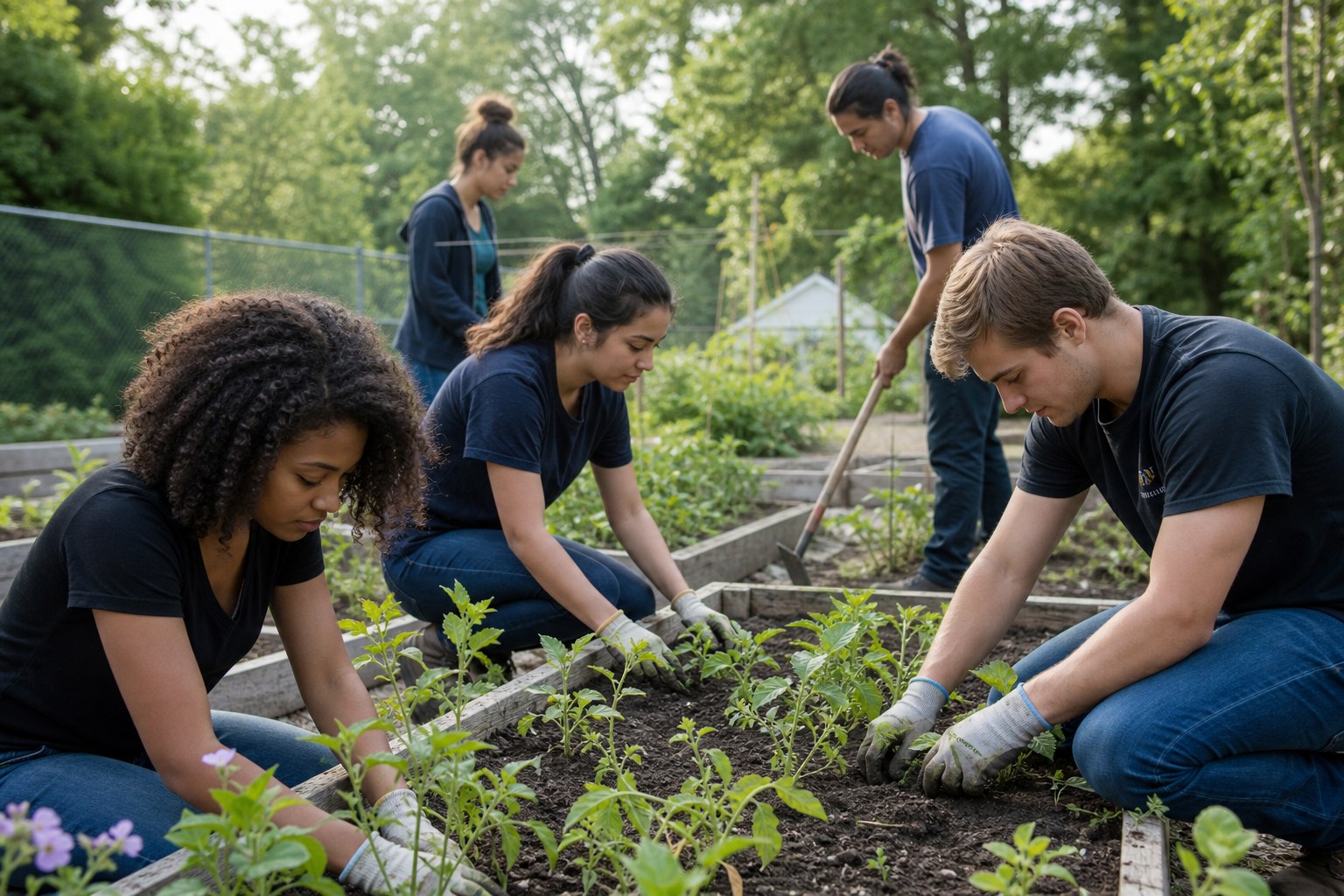
Service learning integrates classroom learning with community service. Students participate in volunteer projects that solve real problems while building skills in leadership, teamwork, and civic responsibility. Grants provide the money needed to run these programs at scale.
Unlike pure volunteering, service learning ties every hour of help to academic lessons. This makes it powerful for students who stay engaged and learn better retention rates. Schools and organizations apply for grants to cover teacher training, materials, transportation, and evaluation tools.
The Big Picture: Funding Trends in 2026
Federal support comes mainly from the Corporation for National and Community Service through AmeriCorps programs. Additional funding flows from the USDA National Institute of Food and Agriculture for agriculture-focused service learning. States like Minnesota offer up to $50,000 per partnership with a 50% match requirement. Private foundations and corporate sponsors round out the picture with smaller grants for specific causes.
According to recent federal data, AmeriCorps programs continue to fund thousands of service projects yearly. Grants often require matching funds or strong evaluation plans to show results. This structure ensures programs are accountable and sustainable.
Types of Service Learning Grants and Funding
Here are the main categories you will encounter:
- Federal Grants: AmeriCorps state and national grants, school-based service-learning programs (45 CFR Part 2516), and higher education initiatives.
- Foundation Grants: Organizations like the Youth Service America or local community foundations.
- Corporate and State Grants: Many companies sponsor teacher training or student stipends.
- Partnership Grants: Collaborative awards from nonprofits and local governments.
Each type has its own focus. For example, agriculture-related grants emphasize nutrition and environmental education.
Who Can Apply and How to Get Started
Schools, school districts, nonprofits, colleges, and even state commissions qualify. Teachers, principals, and community leaders usually submit applications. Deadlines vary—some federal cycles open in spring and close in summer.
Step-by-step tips for success: 1. Check eligibility on Grants.gov or the official Corporation site. 2. Build a strong team with teachers, students, and community partners. 3. Write a clear project plan that links service to curriculum goals. 4. Prepare a budget and matching fund details. 5. Include evaluation methods to measure impact.
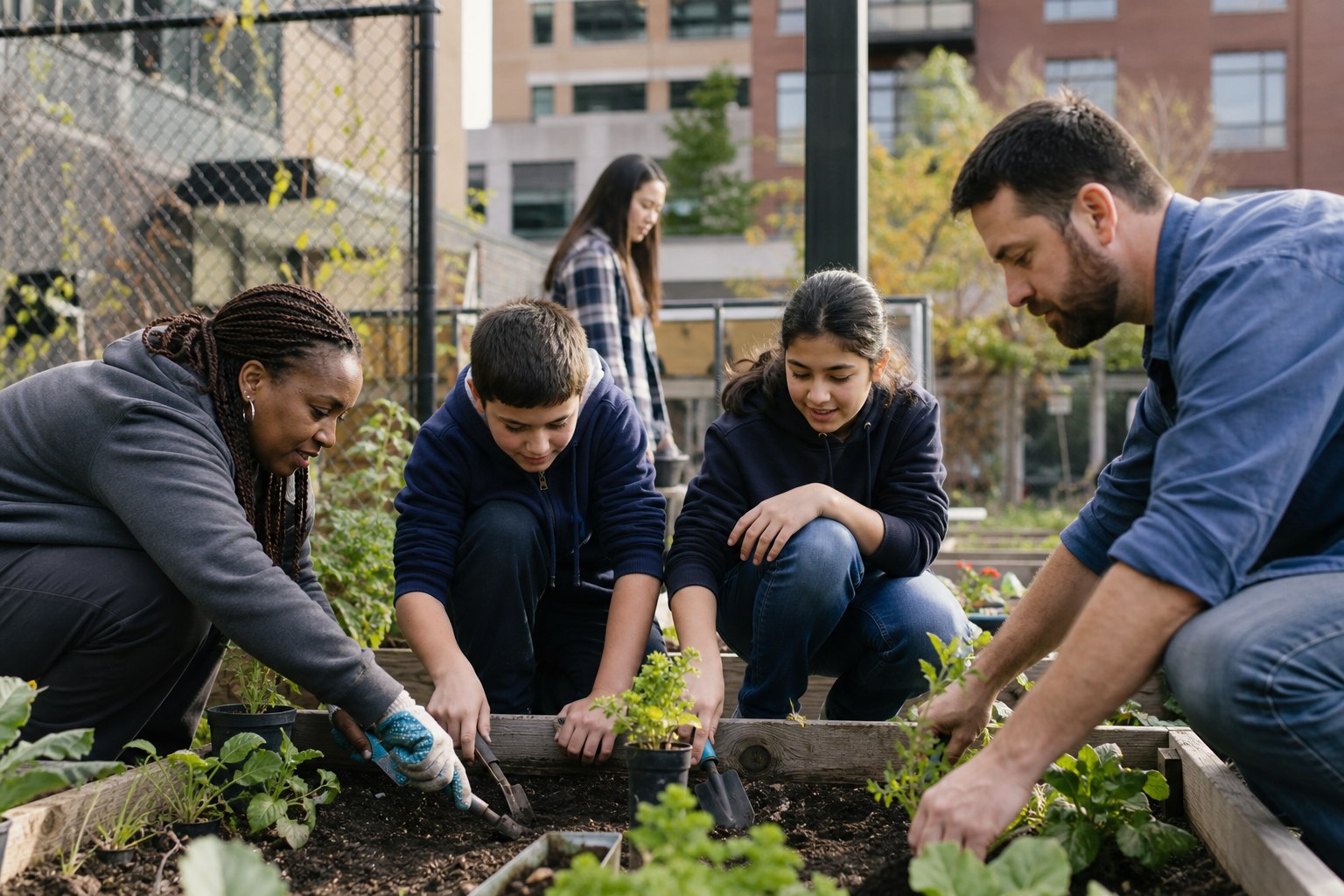
Actionable insight from experience: Start early. In my school district, we submitted applications six months ahead and secured funding for three years of gardening programs. That planning paid off when we could focus on lessons instead of logistics.
Real-World Impact: How Service Learning Works in Action
Last year, a California school used service learning grants to launch a recycling initiative. Students sorted waste, learned about sustainability, and collected data for a community report. The project earned national recognition and inspired two neighboring districts to follow suit.
Another example: A Minnesota partnership used a $50,000 Innovation in Service Learning grant to create STEM service projects. Students built solar-powered bird feeders and presented findings at city council meetings. Parents reported higher attendance and better test scores in science.
These stories show why grants matter. Service learning grants and funding turn abstract concepts into hands-on experiences that students remember for life. The volunteer aspect is key—real volunteers from the community add credibility and connection.
Finding and Applying for Service Learning Grants
Use these resources for the best opportunities:
- Learn and Serve America's National Service-Learning Clearinghouse – Lists hundreds of funding sources
- Grants.gov – Search for "service learning" opportunities
- AmeriCorps Funding Opportunities – Check current grant cycles
- USDA National Institute of Food and Agriculture – Explore Food and Agriculture Service Learning Program
Start by searching Grants.gov with keywords like "service learning" or "youth service." Filter by deadline and award amount. Many programs require 501(c)(3) status or school affiliation.
Pro tip: Contact your state education department early. They often share contacts for local funders and help with matching requirements.
Essential Tips for Successful Applications
- Research first: Read the full announcement. Know the purpose, evaluation requirements, and reporting deadlines.
- Highlight impact: Show how your project addresses community needs and links to school standards.
- Prepare for competition: Include data from past similar projects and letters of support.
- Budget smartly: Stick to realistic costs and note any in-kind contributions.
- Follow all rules: Missing matching funds or evaluation plans can disqualify you.
From personal experience, the most successful applicants treat grants like a business plan. They define success metrics before applying and build partnerships that last beyond the funding year.
Challenges and Solutions in Securing Service Learning Grants and Funding
Competition is tough, and budgets are tight. Some programs require 50% matching funds, which can feel daunting for smaller schools. Others want detailed evaluations that take time to prepare.
Solutions: - Partner with larger nonprofits or universities that can share resources. - Use free tools like Canva or GrantWriter to create professional applications. - Focus on one strong impact story rather than spreading too thin. - Reach out to past grantees for advice—many share tips on forums and conferences.
Despite challenges, the rewards are worth it. Funded programs often see increased student participation and community goodwill.
Looking Ahead: The Future of Service Learning Grants and Funding
With growing emphasis on civic education and career readiness, expect more targeted funding in 2027 and beyond. Climate-related service projects and technology integration will likely rise. Stay updated through the Corporation for National and Community Service newsletters and state volunteer commissions.
Conclusion
Service learning grants and funding are more than money—they are tools that create lasting change. Whether you lead a school program or run a nonprofit, these resources can amplify your volunteer efforts and student success. Start researching today and turn your community service ideas into funded realities.