Service Learning Grants and Funding: Unlocking Opportunities for Community Impact
Discover how service learning grants and funding empower students, educators, and communities to create meaningful change. Learn about available opportunities, application tips, and real-world impacts of service learning projects in this comprehensive guide.
5 min read

Overview: Empowering Change Through Service Learning Grants
Service learning grants and funding provide vital resources for students and educators to engage in projects that blend academic learning with community service. These opportunities foster civic responsibility, develop leadership skills, and create lasting community impact. This article explores the world of service learning funding, offering insights and actionable steps to secure support for your initiatives.
What Is Service Learning?
Service learning is an educational approach that combines academic goals with meaningful community service. Unlike traditional volunteering, it integrates reflection and structured learning, ensuring students gain practical skills while addressing real community needs. For example, a biology class might partner with a local nonprofit to restore a wetland, applying classroom knowledge to environmental challenges.
This approach benefits everyone involved. Students develop critical thinking and teamwork skills, communities gain tangible support, and educators create dynamic, engaging curricula. However, launching these projects often requires financial backing, which is where service learning grants and funding come in.

Why Service Learning Grants Matter
Securing service learning grants and funding can transform a good idea into a reality. These grants cover costs like supplies, transportation, or stipends for community partners. Without funding, many projects stall, leaving students and communities without the benefits of hands-on learning and support.
In my experience volunteering with a youth mentoring program, I saw how a small grant enabled us to provide books and art supplies for underprivileged kids. The impact was immediate—kids who struggled with reading began to engage more confidently, and their artwork brightened the community center. Funding made that possible.
Grants also amplify the scope of projects. A funded initiative might expand from one classroom to an entire school district, reaching more people and creating broader change.
Types of Service Learning Grants
Service learning grants come in various forms, each tailored to specific goals or groups. Here’s a breakdown of common types:
| Grant Type | Description | Typical Funding Range |
|---|---|---|
| Federal Grants | Offered by government agencies like the Corporation for National and Community Service. Often large-scale, supporting nationwide programs. | $10,000–$500,000 |
| State Grants | Provided by state education or community development departments. Focus on local needs, like literacy or environmental projects. | $1,000–$50,000 |
| Private Foundation Grants | Funded by nonprofits or corporations, such as the Bill & Melinda Gates Foundation. Flexible but competitive. | $500–$100,000 |
| University Grants | Available through colleges for student-led projects. Often smaller but easier to access for enrolled students. | $100–$5,000 |
Each type has unique requirements, so research is key. For example, federal grants often require detailed proposals, while university grants may prioritize student leadership.
Where to Find Service Learning Grants
Finding the right grant can feel overwhelming, but several resources simplify the process:
- Grants.gov: A comprehensive database of federal grants, including those for service learning.
- State Education Departments: Many states offer grants for community-based education projects.
- Youth Service America (YSA): YSA provides microgrants for youth-led service projects, often ranging from $500 to $2,000.
- Local Foundations: Check with community foundations or corporate giving programs in your area.
I once helped a group of high school students apply for a YSA grant. They wanted to create a peer tutoring program for struggling readers. The process was straightforward, and the $1,000 they received covered books and training materials, making a real difference.

How to Apply for Service Learning Grants
Applying for grants requires strategy and preparation. Here’s a step-by-step guide to improve your chances:
- Identify Your Project’s Goals: Clearly define what your service learning project aims to achieve. For example, is it improving literacy, addressing food insecurity, or cleaning up a local park?
- Research Eligible Grants: Match your project to grants that align with your goals and audience. Use resources like Grants.gov or YSA.
- Craft a Compelling Proposal: Highlight the community need, your project’s impact, and how funds will be used. Be specific—vague proposals rarely win.
- Include a Budget: Break down costs for supplies, travel, or personnel. Transparency builds trust with funders.
- Engage Partners: Letters of support from community organizations or schools strengthen your application.
- Submit Early: Deadlines sneak up fast. Submit at least a week early to avoid technical issues.
A colleague once shared how their grant application failed because they didn’t explain how the funds would be spent. The next year, they included a detailed budget and won $5,000 for a community cleanup project. Details matter.
Challenges and How to Overcome Them
Securing service learning grants isn’t always easy. Common challenges include:
- Competition: Many organizations apply for limited funds. Stand out by emphasizing your project’s unique impact.
- Time-Intensive Applications: Writing proposals takes effort. Start early and seek feedback from experienced grant writers.
- Sustainability: Funders want projects that last. Show how your initiative will continue after the grant ends, perhaps through community partnerships.
When I volunteered with a literacy program, we faced a funding gap after our initial grant ran out. By partnering with a local library, we secured in-kind donations of space and books, keeping the program alive.
Real-World Impact of Service Learning
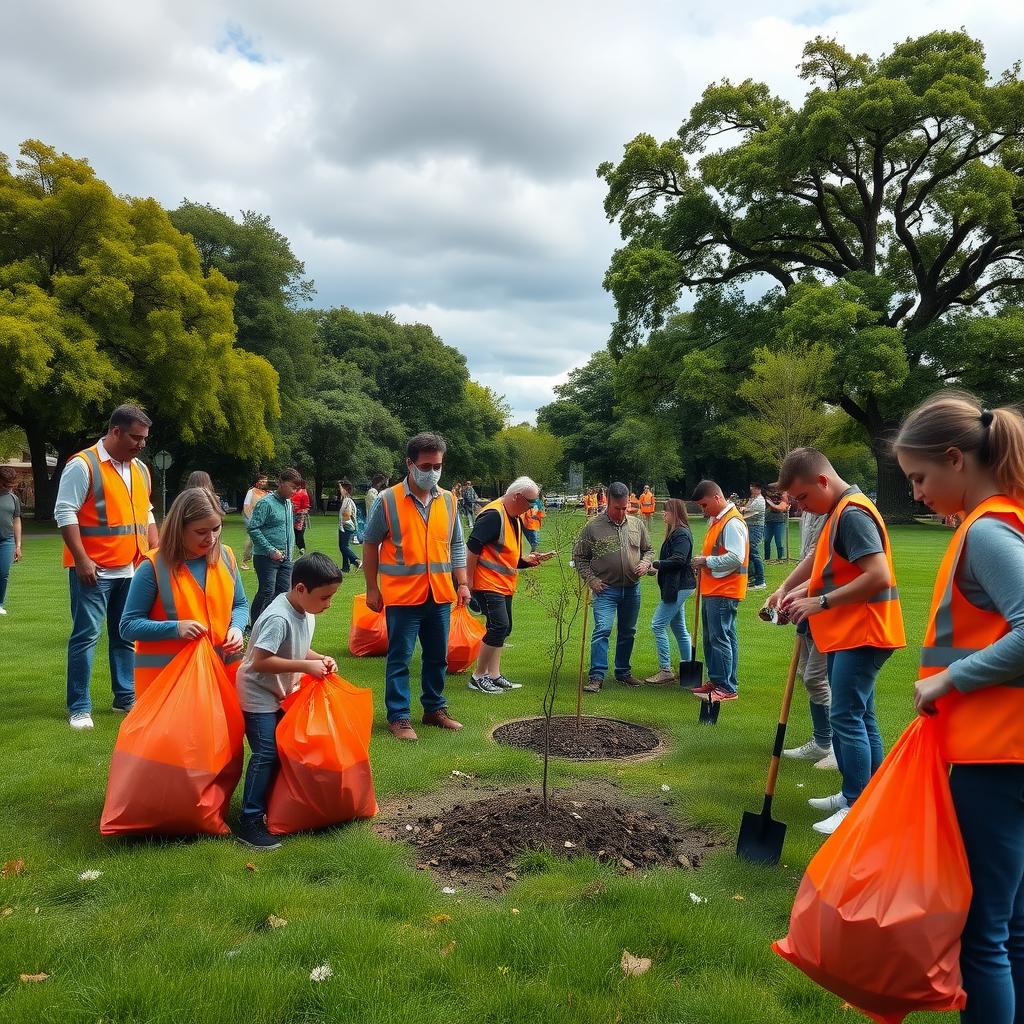
Service learning projects, backed by grants, create ripple effects. A study by the National Service-Learning Clearinghouse found that students in service learning programs show improved academic performance, civic engagement, and empathy. Communities benefit too—think cleaner parks, better schools, or stronger local nonprofits.
I saw this firsthand when a group of college students used a $2,500 grant to build a community garden. The garden not only provided fresh produce but also became a gathering place for neighbors, fostering a sense of belonging. These projects prove that small investments can yield big results.
Tips for Maximizing Funding Impact
Once you secure a grant, use the funds wisely:
- Track Spending: Keep detailed records to ensure every dollar is used as promised.
- Engage Volunteers: Involve community members to stretch funds and build support.
- Share Results: Report outcomes to funders and the community. Photos, testimonials, and data show impact.
- Plan for Scale: Use initial success to apply for larger grants or attract new partners.
Sharing success stories can also inspire others. After our mentoring program shared its results, a local business donated supplies for the next year, extending the project’s reach.
Summary: Start Your Service Learning Journey
Service learning grants and funding open doors for students, educators, and communities to create meaningful change. By understanding grant types, researching opportunities, and crafting strong applications, you can turn ideas into impactful projects. Whether it’s a community garden or a tutoring program, these initiatives build skills and strengthen communities. Start exploring funding options today to make a difference tomorrow.