Service Learning: A Guide for Educators - Practical Tips for Teachers Starting Service Learning Programs
Discover practical tips to launch effective service learning programs in your classroom. This guide covers basics, building community partnerships, organizing events, and real strategies that help students learn while making a difference.
4 min read
Service learning combines classroom lessons with hands-on community service. Students apply what they learn to solve real problems, gaining skills while helping others. This approach builds stronger connections between schools and neighborhoods.
Service Learning: A Guide for Educators - Practical tips for teachers starting service learning programs offers clear steps to get started. Whether you teach elementary, middle, or high school, you can create projects that meet curriculum goals and address community needs.
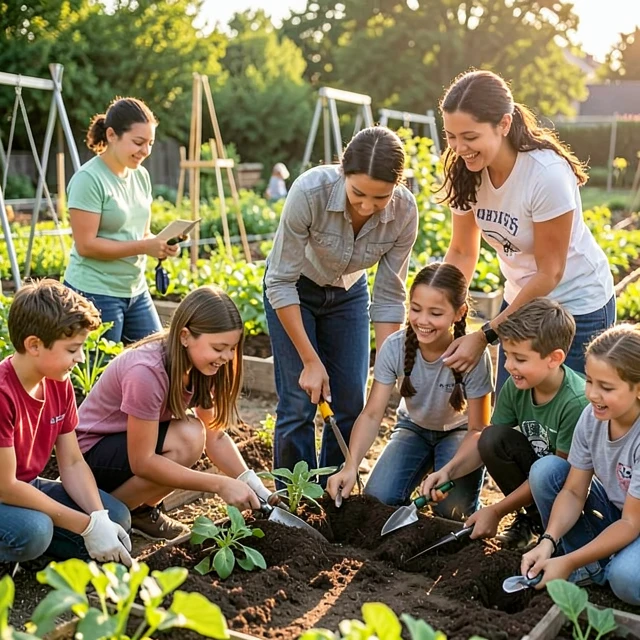
I remember my first attempt at service learning. My class collected books for a local shelter, but we rushed the planning. The students learned a bit about literacy, yet the impact felt small. That experience taught me the value of deeper preparation and real community input.
Service learning differs from simple volunteering. It ties directly to academic standards. Students investigate a need, prepare through classwork, take action, reflect on what happened, and celebrate the results. This cycle helps knowledge stick.
Start with the basics of service learning for communities. Identify a genuine local issue that matches your subject area. For science class, students might test water quality in a nearby stream and share findings with city officials. In language arts, they could write stories for seniors at a care home.
Here are key elements that make service learning successful:
- Addresses a real community need identified with partner input
- Connects clearly to curriculum objectives
- Gives students leadership roles
- Includes regular reflection activities
- Builds ongoing community involvement
- Ends with demonstration and celebration
When building Community Partnerships: Building Strong Connections for Service Learning, reach out early. Meet face-to-face with local organizations. Listen to their needs instead of assuming what to do. Share your syllabus so partners understand how students will learn through the work.

Strong partnerships create mutual benefits. The community gets help with real tasks. Students gain authentic experiences and see how their classroom knowledge applies in the world. Regular check-ins keep everyone aligned.
Practical tip: Create a simple agreement that outlines goals, timelines, roles, and communication methods. This prevents misunderstandings and shows respect for everyone's time.
One teacher I know partnered with a food bank for a math unit on percentages and budgeting. Students analyzed donation data, calculated needs, and organized a drive. The food bank received more targeted supplies, and students improved their math skills while learning about hunger in their area.
Getting started can feel overwhelming. Begin small. Try a two-week project before committing to a semester-long one. This builds your confidence and lets you adjust based on what works.
Follow these steps to launch your program:
- Explore community needs through surveys or talks with local groups
- Align the project with your learning objectives
- Involve students in planning to increase ownership
- Prepare students with background knowledge and skills
- Carry out the service safely and thoughtfully
- Guide reflection through journals, discussions, or presentations
- Celebrate successes and evaluate outcomes together
Organizing a community service event requires attention to details. Choose a date that fits everyone's schedule. Prepare students for what they will do and see. Arrange transportation, permissions, and safety measures. Have backup plans for weather or other issues.
For example, a class might organize a neighborhood cleanup tied to an environmental science unit. Students research local pollution sources, learn proper waste sorting, collect trash, and then create posters to raise awareness. Reflection helps them connect the physical work to bigger concepts like sustainability.
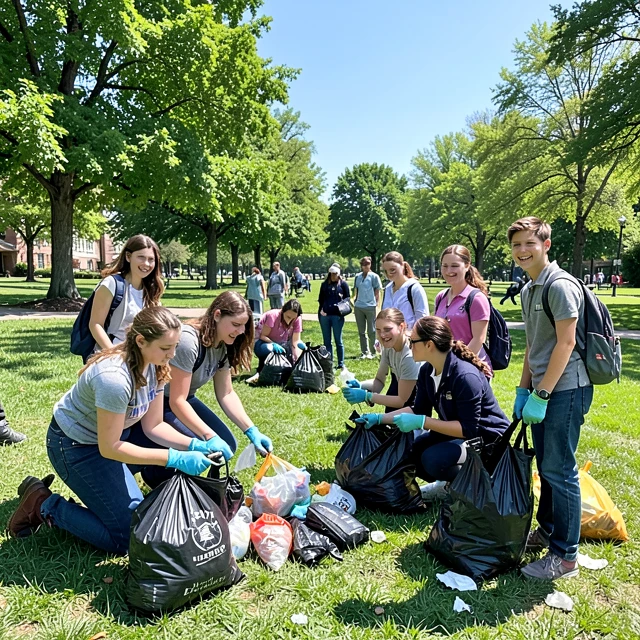
Reflection turns service into deep learning. Ask open questions: What surprised you? How did this connect to our class lessons? What would you change next time? Use different formats—writing, group talks, art, or videos—to reach all learners.
Personal insight: Students often share powerful stories during reflection. One group realized how small actions reduce waste after seeing the volume of trash they collected. Another student gained empathy after helping at a shelter and changed how they viewed people experiencing homelessness.
Common challenges include time constraints, transportation, and measuring impact. Address them by integrating service into existing lessons rather than adding extra work. Use school buses or walking when possible. Track both student learning and community outcomes through simple surveys or before-and-after data.
Safety matters. Screen partners carefully. Provide clear guidelines and supervision. Teach students professional behavior and cultural sensitivity before they engage with the community.
Benefits appear in many areas. Students often show better attendance, stronger critical thinking, and increased civic responsibility. Teachers report more engaged classrooms and rewarding relationships with students. Communities receive valuable support and fresh ideas from young people.
To measure success, collect feedback from students, partners, and yourself. Look at academic improvements, student attitudes toward service, and tangible community results like pounds of food collected or trees planted.
Service learning grows when you share what you learn. Connect with other educators through professional networks. Adapt projects each year based on new community needs and student interests.
In summary, service learning creates meaningful education that extends beyond textbooks. Teachers who start with small, well-planned projects often expand successfully over time. Students develop skills, empathy, and confidence while contributing positively to their communities.
Ready to begin? Pick one idea that fits your class and take the first step. The rewards for your students and your community make the effort worthwhile.