Service Learning: A Guide to Getting Started
Discover how service learning transforms communities through meaningful volunteer work. This comprehensive guide offers practical steps, personal insights, and actionable tips to start your service learning journey, connecting you with local opportunities to make a lasting impact.
4 min read
Overview
Service learning combines education with community service, creating a powerful way to learn while making a difference. This guide to getting started explores how civic engagement transforms communities, offering practical steps to find service learning opportunities in local communities. Whether you're a student, educator, or volunteer, this approach fosters personal growth and strengthens neighborhoods.
What Is Service Learning?
Service learning is more than volunteering. It’s a structured process where you gain knowledge and skills by addressing real community needs. Unlike traditional volunteering, it ties your efforts to specific learning goals. For example, a student might tutor kids in reading while studying child development. This blend of action and reflection deepens understanding and impact.
I first encountered service learning in college. My class partnered with a local food bank to distribute meals. We didn’t just hand out food; we analyzed hunger’s root causes and brainstormed solutions. That experience showed me how service learning sparks both personal growth and community change.
Why Service Learning Matters
Service learning creates a ripple effect. It empowers individuals and strengthens communities. By engaging in meaningful projects, you develop skills like leadership, teamwork, and problem-solving. Communities gain tangible benefits, like cleaner parks or better access to education.
Studies show service learning boosts academic performance and civic responsibility. A 2017 report from the National Service-Learning Clearinghouse found that students involved in service learning scored 15% higher on civic engagement metrics than peers in traditional programs. It’s a win-win: you grow, and your community thrives.

How Civic Engagement Transforms Communities
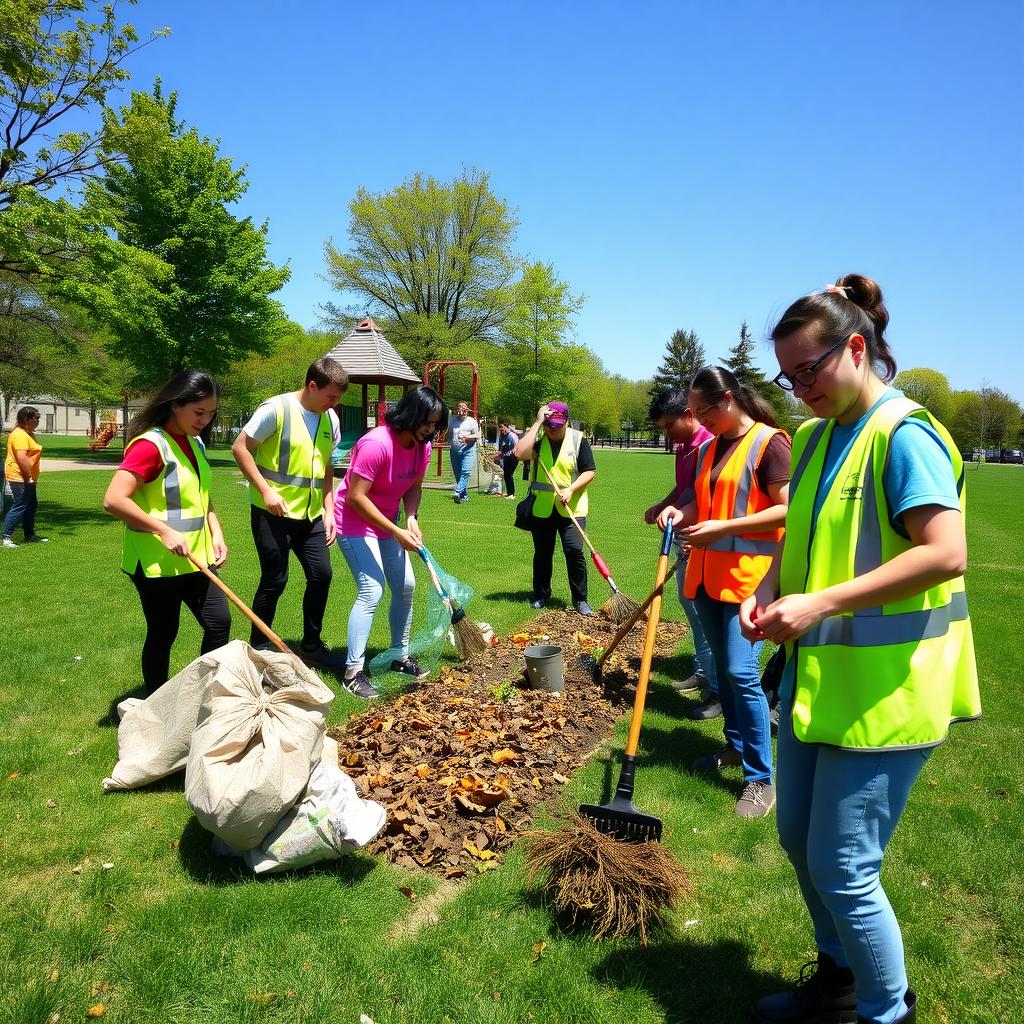
Civic engagement through service learning builds stronger, more connected communities. When people work together on shared goals, trust grows. Take a neighborhood cleanup: volunteers not only remove trash but also spark conversations with residents, fostering unity. These projects show communities they’re valued, encouraging more people to get involved.
I once joined a group painting a community center. We didn’t just refresh the walls; we created a space where kids felt proud to gather. That project taught me that small actions, when done thoughtfully, can transform a community’s spirit.
Finding Service Learning Opportunities in Local Communities
Ready to start? Here’s how to find service learning opportunities in local communities:
- Check with Schools or Universities: Many institutions have service learning programs. Ask your academic advisor or check campus websites for partnerships with local nonprofits.
- Explore Community Organizations: Groups like United Way or Habitat for Humanity often offer structured volunteer programs with learning components.
- Use Online Platforms: Websites like VolunteerMatch.org connect you with local projects. Filter for opportunities that align with your skills or interests.
- Talk to Local Leaders: Reach out to community centers, libraries, or churches. They often know about needs that aren’t widely advertised.
- Reflect on Your Goals: Choose projects that match your learning objectives. Want to improve public speaking? Volunteer to lead workshops.
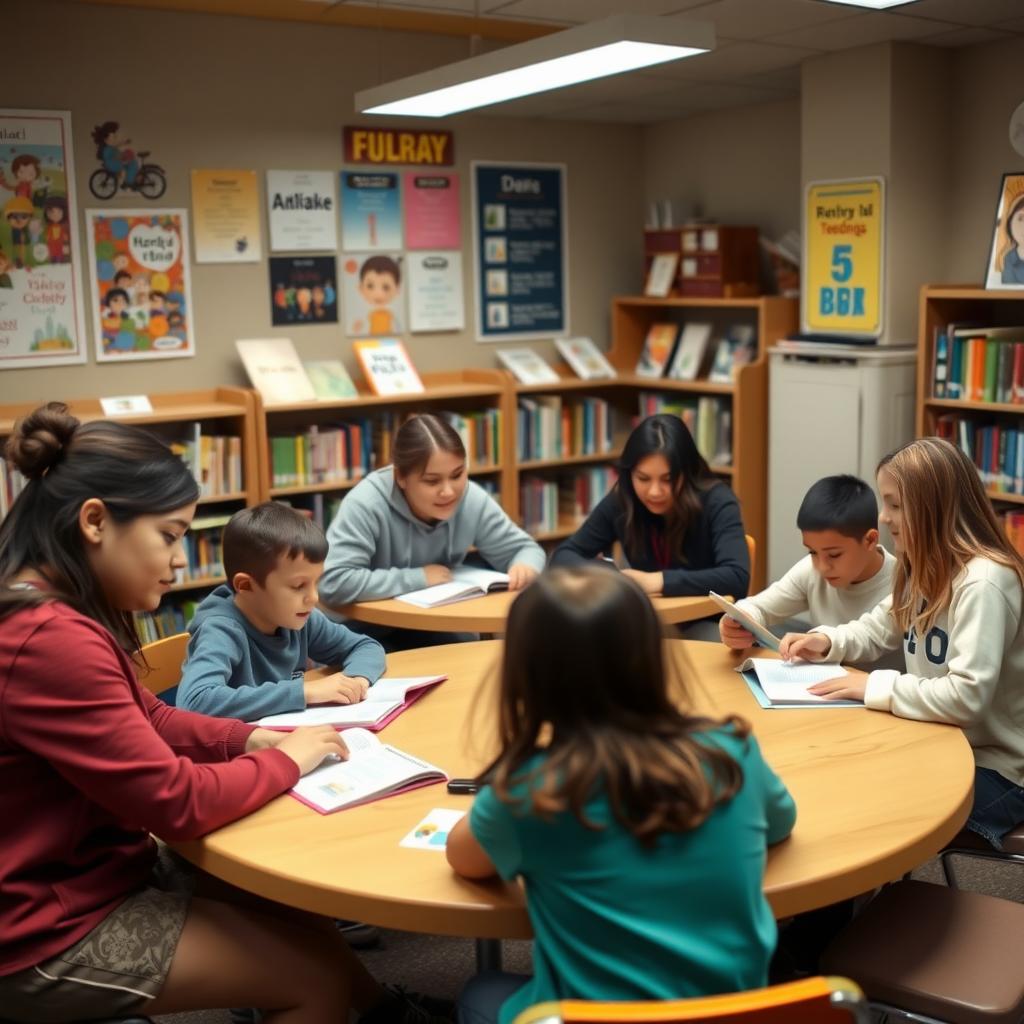
When I started, I used VolunteerMatch to find a literacy program. Tutoring kids not only helped them read but also sharpened my communication skills.
Steps to Get Started with Service Learning
Starting a service learning journey is simple but requires planning. Here’s a step-by-step guide:
| Step | Action | Example |
|---|---|---|
| 1. Identify Interests | Reflect on what you’re passionate about. Love the environment? Consider park restoration. | Joining a tree-planting initiative. |
| 2. Set Learning Goals | Decide what you want to learn, like leadership or data analysis. | Learning project management by organizing a food drive. |
| 3. Find a Partner | Connect with a school, nonprofit, or community group. | Partnering with a local shelter to serve meals. |
| 4. Plan the Project | Outline tasks, timelines, and outcomes with your partner. | Scheduling weekly tutoring sessions for kids. |
| 5. Reflect and Learn | Journal or discuss what you’ve learned after each session. | Writing about how tutoring improved your patience. |
Reflection is key. After my food bank project, I wrote about how logistics challenges taught me problem-solving. That reflection turned a good experience into a great one.
Tips for a Successful Service Learning Experience
To make the most of service learning, keep these tips in mind:
- Be Consistent: Show up regularly. Communities rely on dependable volunteers.
- Listen Actively: Understand the community’s needs before acting. Ask questions and respect local expertise.
- Stay Open-Minded: You’ll encounter new perspectives. Embrace them to grow.
- Document Your Journey: Keep a journal or take photos (with permission) to track progress and reflect.
- Connect with Others: Build relationships with fellow volunteers and community members.
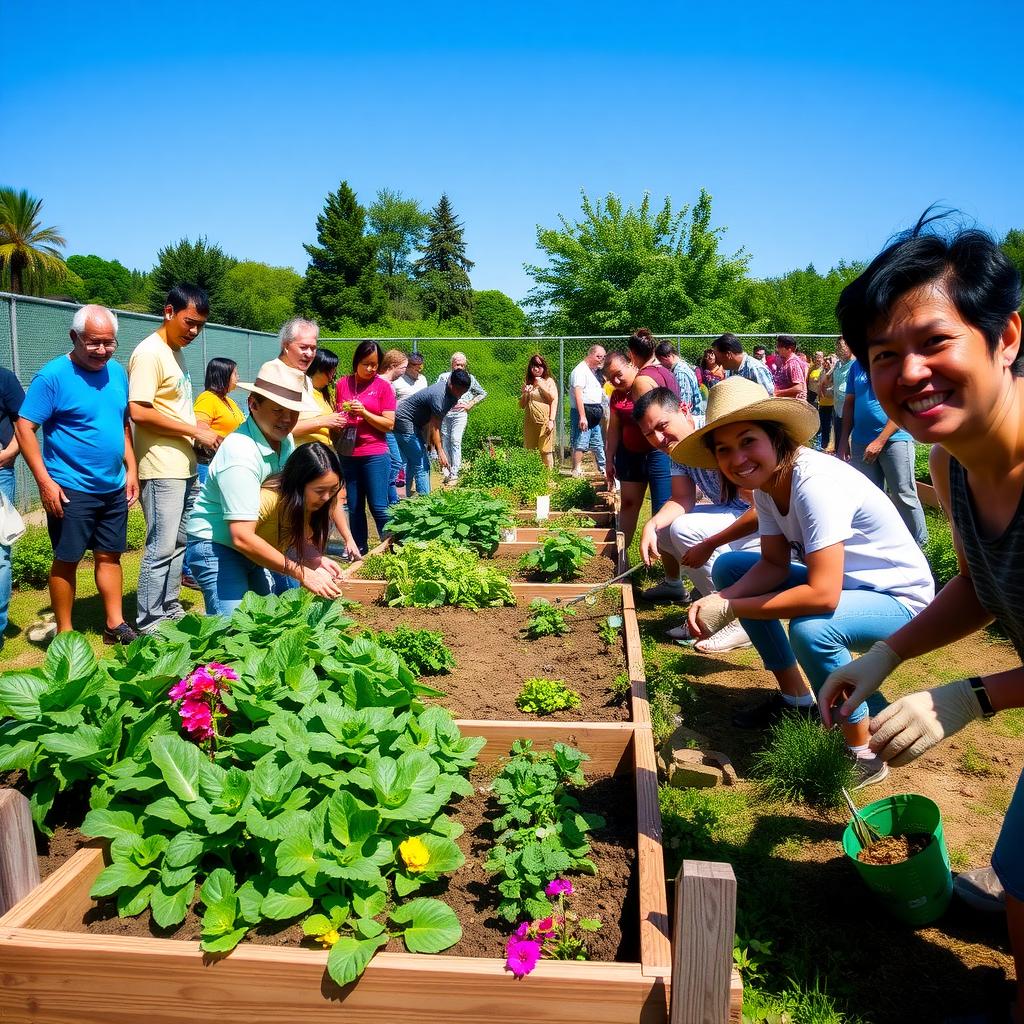
My biggest lesson came from listening. During a community garden project, residents shared how the garden boosted their mental health. That insight shaped how I approached future projects.
Challenges and How to Overcome Them
Service learning isn’t always smooth. Common challenges include time constraints, mismatched expectations, or feeling overwhelmed. Here’s how to tackle them:
- Time Management: Schedule service hours like classes. Even two hours a week can make a difference.
- Clarify Roles: Discuss expectations with your partner organization upfront to avoid confusion.
- Seek Support: If you’re overwhelmed, ask mentors or peers for advice. Most programs have support systems.
I once struggled to balance school and volunteering. Setting a fixed weekly schedule helped me stay committed without burning out.
The Lasting Impact of Service Learning
Service learning leaves a lasting mark. You gain skills, confidence, and a deeper understanding of your community. Communities benefit from your contributions, whether it’s a cleaner park or empowered youth. The connections you build often outlast the project itself.
Years after my food bank project, I still volunteer there occasionally. The relationships I formed with staff and residents remind me why service learning matters. It’s not just about giving back—it’s about growing together.
Summary
Service learning is a powerful way to learn, grow, and transform communities. By combining volunteer work with reflection, you can make a meaningful impact while developing skills. Start small, find local opportunities, and stay open to new experiences. Your efforts will ripple outward, creating stronger, more connected communities.