Service Learning Opportunities in Local Communities: A Path to Personal and Community Growth
Discover the benefits of service learning and how to get involved in local communities. Learn from personal experiences and explore examples of impactful projects.
3 min read
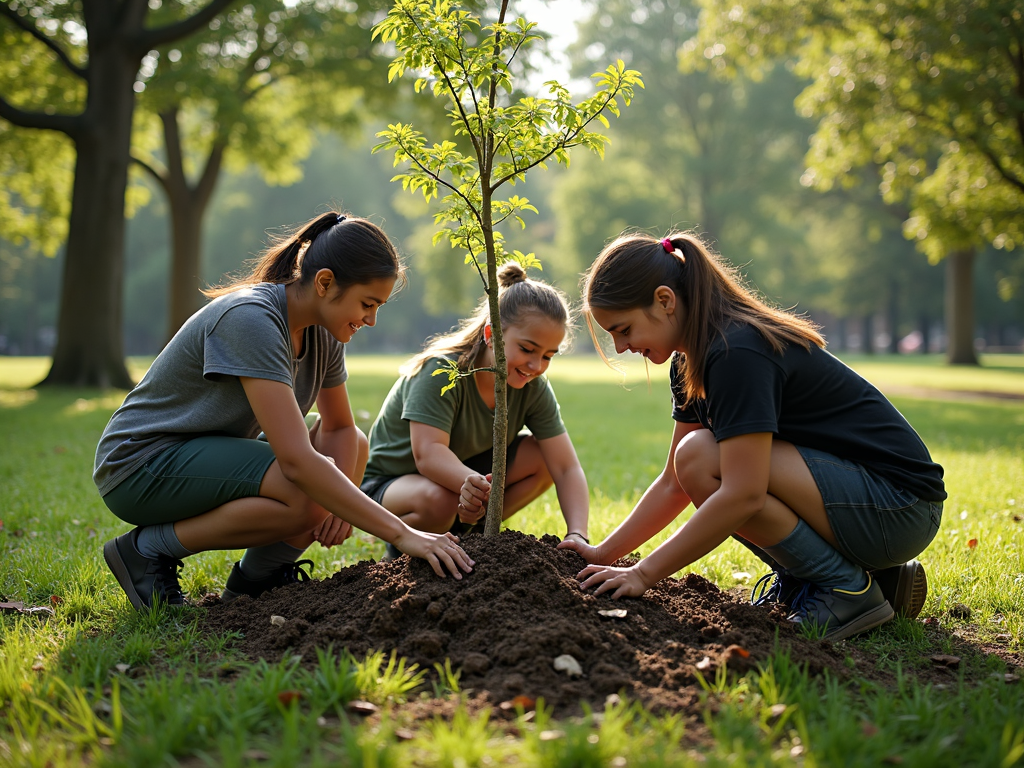
Service learning is a powerful way to connect classroom learning with real-world experiences. It allows students to apply their knowledge and skills to address community needs while developing a sense of civic responsibility. In local communities, service learning opportunities abound, from tutoring and mentoring to environmental conservation and community development projects.

I remember my first service learning experience vividly. I was a sophomore in college, and I signed up for a course that involved tutoring elementary school students in a low-income neighborhood. At first, I was nervous about stepping out of my comfort zone, but as I got to know the students and saw the impact of my efforts, I realized the true value of service learning.
Through this experience, I learned that service learning is not just about giving back; it's about mutual learning and growth. The students I tutored taught me just as much as I taught them. They shared their stories, their struggles, and their dreams, and I gained a deeper understanding of the challenges faced by underserved communities.

For students, service learning provides an opportunity to apply theoretical knowledge to real-world situations, enhancing their understanding and retention of course material. It also helps them develop essential skills such as critical thinking, problem-solving, and communication. Moreover, service learning fosters a sense of empathy and social responsibility, preparing students to become active and engaged citizens.
For communities, service learning brings fresh perspectives and innovative solutions to local issues. It strengthens the bond between educational institutions and the community, fostering a spirit of collaboration and mutual support. Service learning projects can address a wide range of community needs, from education and healthcare to environmental sustainability and social justice.
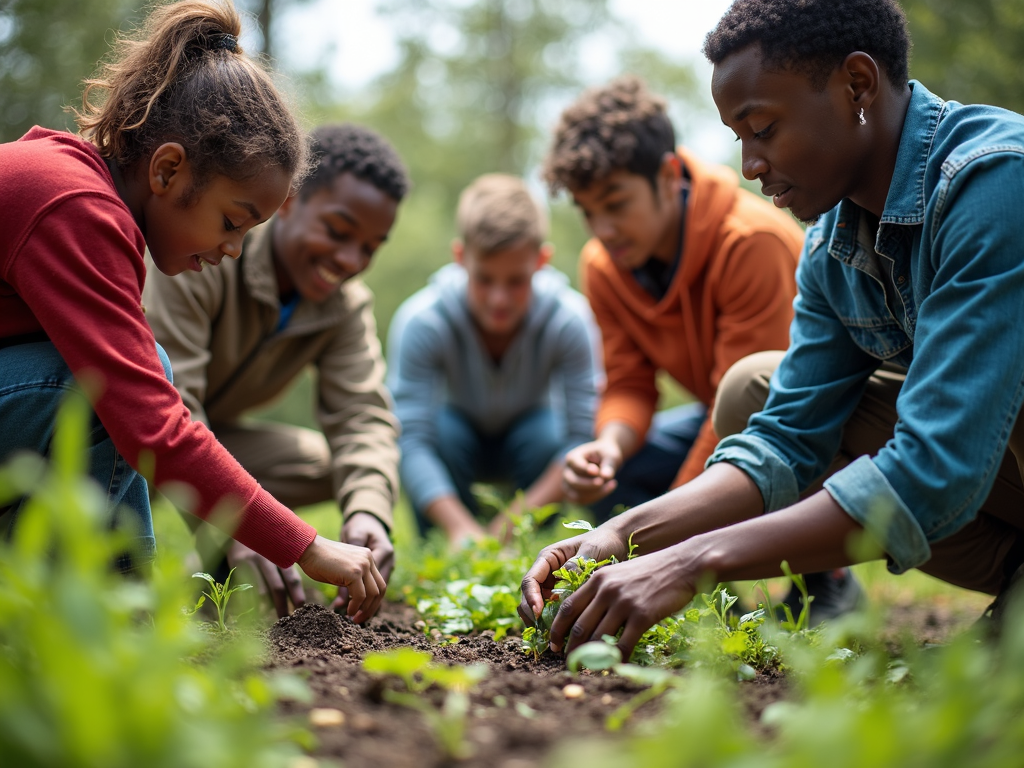
One way to get involved is to reach out to local schools, colleges, and universities. Many educational institutions have service learning programs or partnerships with community organizations. You can also contact local nonprofits, government agencies, or community centers to inquire about volunteer opportunities that align with your interests and skills.
Another way to get involved is to start your own service learning project. Identify a community need that you're passionate about and develop a plan to address it. You can collaborate with classmates, friends, or community members to make a meaningful impact.
One example is a project where students work with local farmers to promote sustainable agriculture practices. They learn about environmental science and sustainable farming techniques while helping farmers implement eco-friendly practices.
Another example is a project where students partner with a local homeless shelter to provide job training and employment assistance. They learn about social work and career development while helping individuals transition out of homelessness.
One challenge is ensuring that service learning projects are mutually beneficial and respectful of community needs. It's important to involve community members in the planning and implementation process to ensure that the project addresses their priorities and concerns.
Another challenge is balancing the academic and service components of the project. It's essential to integrate reflection and critical thinking into the service learning experience to maximize learning outcomes.
Service learning can have a profound impact on personal growth and development. It helps individuals develop a sense of purpose and meaning, as well as a deeper understanding of themselves and their place in the world. It also enhances interpersonal skills, such as empathy, communication, and teamwork.
In terms of professional development, service learning can provide valuable experience and skills that are highly sought after by employers. It demonstrates a commitment to social responsibility and community engagement, which are increasingly valued in today's workforce.
In conclusion, service learning is a powerful tool for personal, academic, and community development. It provides opportunities for students to apply their knowledge and skills to address real-world issues while fostering a sense of civic responsibility. By getting involved in service learning opportunities in local communities, individuals can make a meaningful impact and contribute to positive social change.