Service Learning Success Stories to Inspire You
Explore inspiring service learning success stories that showcase the transformative power of community engagement and grant funding.
6 min read
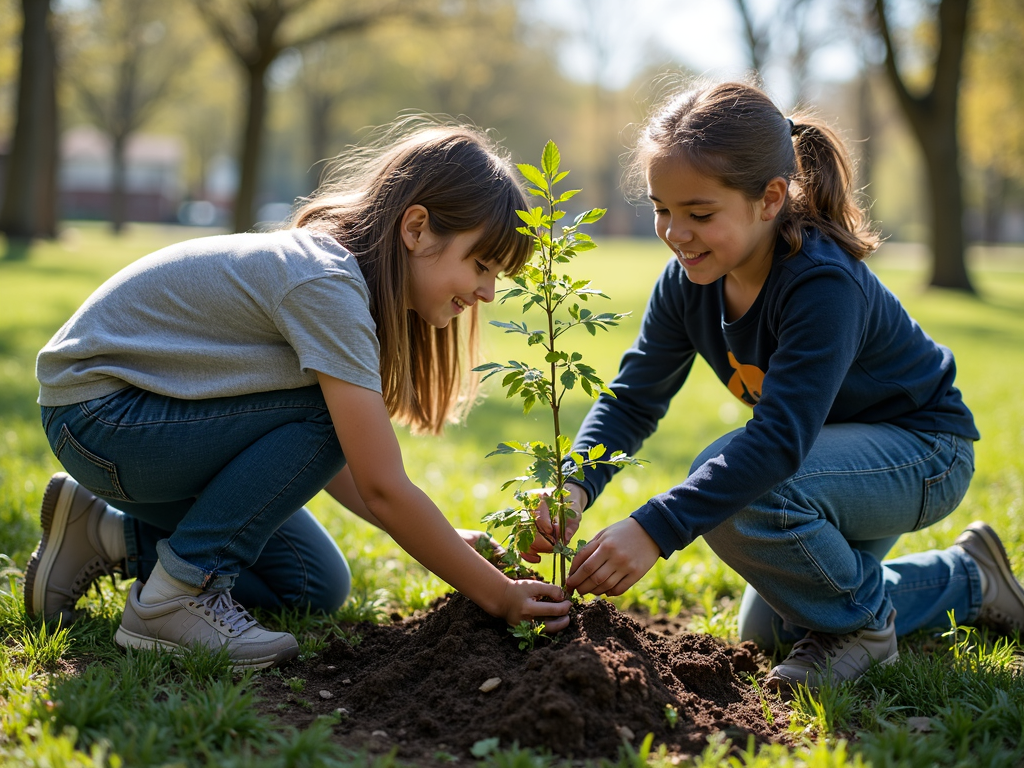
Service learning combines education with community service, creating impactful experiences for students and communities alike. This article shares inspiring success stories that highlight the transformative power of service learning. From revitalizing local parks to supporting underserved schools, these projects demonstrate how service learning can drive positive change. By exploring these stories, readers will gain insights into the importance of grants and funding, learn how to write winning grant proposals, and avoid common mistakes in the process. Whether you're a student, educator, or community leader, these stories will inspire you to make a difference.

Service learning is more than just volunteering; it's an educational approach that integrates meaningful community service with instruction and reflection. This method not only enriches learning but also fosters civic responsibility and strengthens communities. One of the most compelling aspects of service learning is the success stories that emerge from these projects. These stories not only inspire but also provide valuable lessons on how to secure funding through grants and avoid common pitfalls in proposal writing.
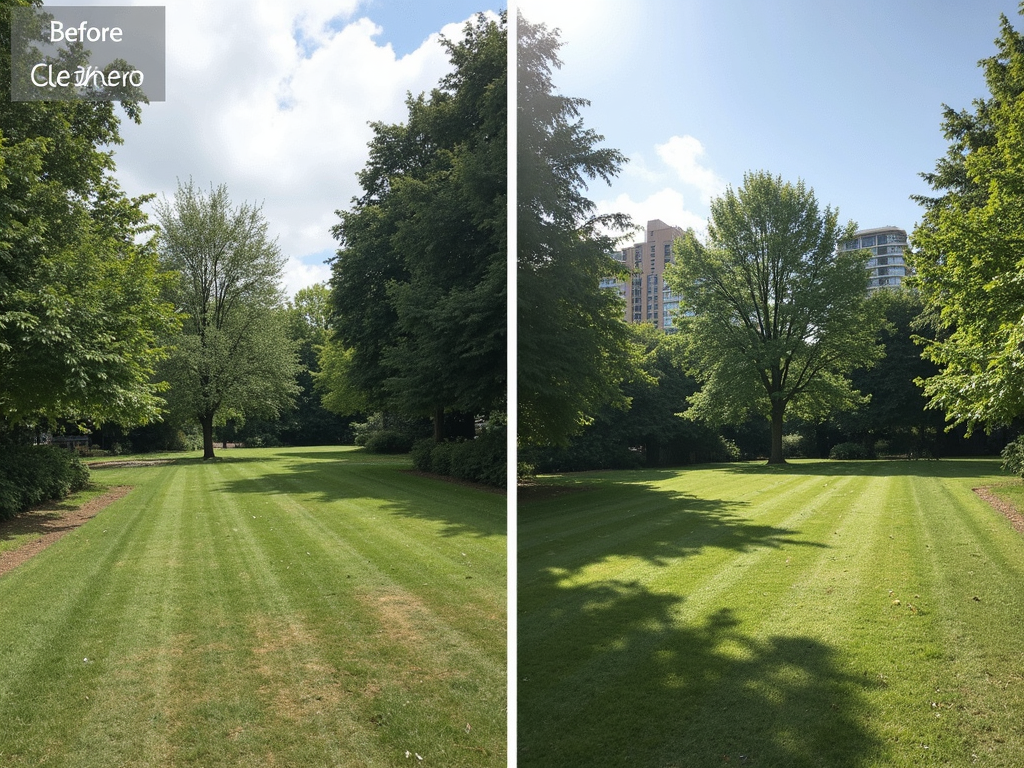
The Power of Service Learning: Real Stories, Real Impact
Story 1: Revitalizing a Community Park
In a small town in Ohio, a group of high school students took on the challenge of revitalizing a neglected community park. The project began as part of their environmental science class, where they learned about urban ecology and sustainability. With the help of a local nonprofit, the students applied for a service learning grant to fund the project. Their proposal was clear, concise, and focused on the environmental and social benefits of the park's restoration.
The grant was awarded, and the students spent months planning and executing the project. They organized community clean-up days, planted native species, and even installed educational signs about local wildlife. The park, once an eyesore, became a vibrant community hub. This success story highlights the importance of aligning your project with the funder's priorities and clearly articulating the community's needs.

Story 2: Supporting Underserved Schools
In California, a university partnered with a local elementary school in an underserved neighborhood. The service learning project aimed to provide tutoring and mentorship to students who were struggling academically. The university students, many of whom were education majors, gained hands-on experience while making a tangible difference in the lives of young learners.
Securing funding for this project required a well-crafted grant proposal that emphasized the educational benefits for both the university students and the elementary school children. The proposal included data on the school's performance metrics and testimonials from teachers and parents. By focusing on measurable outcomes and community impact, the project received the necessary funding to expand its reach.
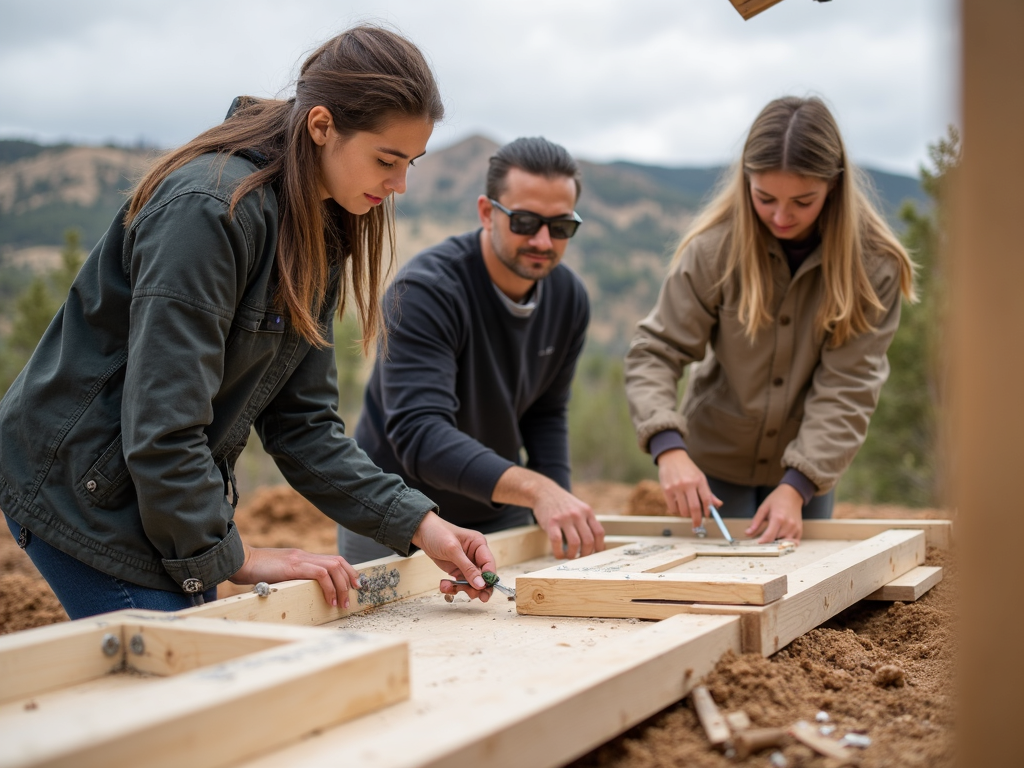
Story 3: Building Sustainable Housing
A group of engineering students in Texas took on an ambitious service learning project: designing and building sustainable housing for low-income families. Partnering with a local housing nonprofit, the students applied for grants to cover materials and construction costs. Their proposal stood out because it included detailed plans, budget justifications, and a sustainability plan for the housing units.
The project not only provided homes for families in need but also gave the students invaluable experience in project management, engineering, and community engagement. This story underscores the importance of having a clear project design and a realistic budget in your grant proposal.
The Role of Grants and Funding in Service Learning
Grants and funding are the lifeblood of many service learning projects. Without financial support, even the most well-intentioned initiatives can struggle to get off the ground. However, securing grants is a competitive process, and writing a winning proposal requires strategy, clarity, and attention to detail.
Understanding the Importance of Grants
Grants provide the necessary resources to cover costs such as materials, transportation, and personnel. They also lend credibility to your project, signaling to the community and other stakeholders that your initiative has been vetted and deemed worthy of support. For service learning projects, grants can be particularly impactful because they often fund projects that address pressing community needs.
Common Mistakes to Avoid When Writing Grant Proposals
While grants are essential, many organizations make avoidable mistakes when applying for them. Here are some common pitfalls and how to avoid them:
- Vague Objectives: Funders need to know exactly what you plan to achieve. Avoid broad statements like "improve community health" and instead use specific, measurable goals such as "reduce childhood obesity rates by 10% over two years."
- Inadequate Research: Failing to thoroughly research the funder's priorities can lead to proposals that miss the mark. Always tailor your proposal to align with the funder's mission and goals.
- Weak Project Design: A poorly structured project plan can raise doubts about your ability to execute the project. Include a detailed timeline, clear roles for team members, and a sustainability plan.
- Insufficient Budget Justification: Every item in your budget should be clearly explained and tied to the project's success. Avoid vague categories like "miscellaneous expenses."
- Lack of Evaluation Strategies: Funders want to know how you will measure success. Include both qualitative and quantitative evaluation methods in your proposal.
How to Write a Winning Grant Proposal
Writing a grant proposal is both an art and a science. It requires a balance of storytelling, data, and strategic alignment with the funder's priorities. Here are some key steps to crafting a successful proposal:
1. Research the Funder: Understand the funder's mission, priorities, and past funded projects. Tailor your proposal to show how your project aligns with their goals.
2. Craft a Compelling Narrative: Use storytelling to make your proposal engaging. Highlight the human impact of your project with testimonials or case studies.
3. Be Clear and Concise: Avoid jargon and overly complex language. Your proposal should be easy to read and understand, even for someone outside your field.
4. Include a Detailed Budget: Break down costs by category and provide justifications for each item. Show that you have thought through the financial aspects of the project.
5. Focus on Outcomes: Clearly outline what success looks like and how you will measure it. Funders want to see that their investment will lead to tangible results.
Service Learning Grants and Funding: Opportunities for Community Impact
Service learning grants are specifically designed to support projects that combine education with community service. These grants can come from a variety of sources, including government agencies, private foundations, and corporate sponsors. Here are some opportunities to explore:
- Federal Grants: The U.S. government offers grants through agencies like the Corporation for National and Community Service, which supports service learning initiatives.
- Private Foundations: Many foundations, such as the Ford Foundation or the Bill & Melinda Gates Foundation, offer grants for projects that address social issues through education and community engagement.
- Corporate Sponsorships: Companies often provide funding for service learning projects that align with their corporate social responsibility goals. For example, a tech company might fund a project that teaches coding to underserved youth.
Lessons Learned from Service Learning Success Stories
Each of the success stories shared earlier offers valuable lessons for anyone looking to embark on a service learning project:
- Collaboration is Key: Successful projects often involve partnerships between schools, nonprofits, and community members. Building a strong team can enhance the project's impact and sustainability.
- Focus on Community Needs: Projects that address specific, pressing community needs are more likely to secure funding and community support.
- Sustainability Matters: Funders want to see that your project will have a lasting impact. Include plans for how the project will continue after the grant period ends.
- Measure and Share Impact: Collecting data on your project's outcomes not only helps you evaluate success but also strengthens future grant proposals.
Conclusion
Service learning success stories are powerful reminders of the impact that education and community service can have when combined. These projects not only transform communities but also provide invaluable learning experiences for students. However, bringing these initiatives to life often requires financial support through grants and funding. By understanding how to write a winning grant proposal and avoiding common mistakes, you can increase your chances of securing the resources needed to make a difference.
Whether you're inspired to start your own service learning project or simply want to learn more about the process, these stories and tips provide a roadmap for success. Remember, the key to a successful grant proposal is clarity, alignment with the funder's priorities, and a focus on measurable impact. With these elements in place, you can turn your vision into reality and inspire others along the way.