Skill-Based Volunteer Opportunities at Washington University: Make a Real Impact with Your Expertise
Discover skill-based volunteer opportunities at Washington University through WashU Serves. Learn how faculty, staff, students, and alumni can use professional skills to strengthen St. Louis nonprofits while building leadership and career experience.
5 min read
Skill-based volunteering lets you apply your professional expertise to help organizations thrive. At Washington University in St. Louis, these opportunities connect talented individuals with local nonprofits that need strategic support in areas like marketing, IT, finance, law, and more.
Unlike traditional volunteering that focuses on hands-on tasks, skill-based volunteering in education and community service matches your career strengths with real organizational needs. Washington University’s program through the WashU Serves portal makes it easy for the university community to find meaningful roles that build capacity for local groups.
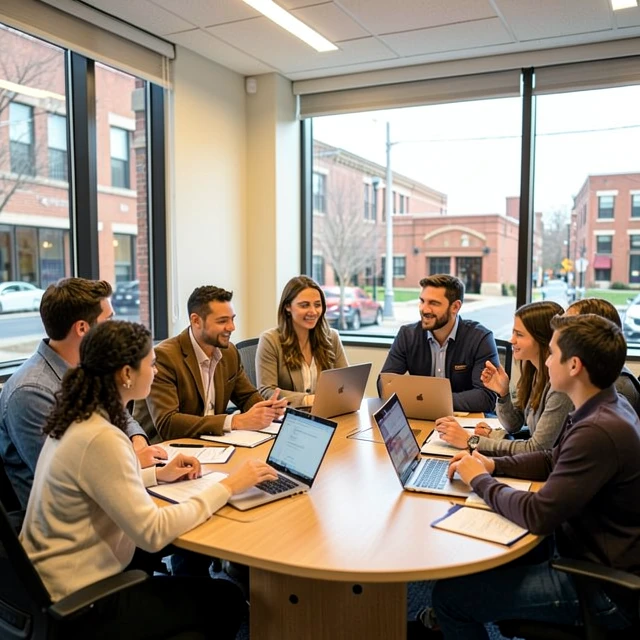
The WashU Serves initiative partners with the United Way of Greater St. Louis to offer year-round opportunities. Participants can search by their specific skills, work area, or interest. This approach helps nonprofits operate more effectively while giving volunteers a chance to apply and sharpen their abilities in new contexts.
Many people wonder what skill-based volunteering actually looks like. Imagine a marketing professor helping a small nonprofit develop a digital strategy, an IT specialist setting up efficient database systems for a food bank, or a law student providing research support for an advocacy group. These contributions create lasting impact beyond one-time events.
Why Skill-Based Volunteering Matters Now More Than Ever
In today’s world, nonprofits face complex challenges that require professional expertise. Traditional volunteer tasks like serving meals remain important, but organizations also need help with strategic planning, technology upgrades, financial management, and communications to grow their reach.
Research from reputable sources shows clear benefits. According to the MIT Sloan Management Review, employees who engage in volunteering often develop enhanced workplace skills and report higher job performance. How Volunteerism Enhances Workplace Skills
Studies also link skills-based volunteering to better employee engagement and retention. Volunteers frequently return to their regular roles with fresh perspectives, stronger problem-solving abilities, and renewed motivation.

Benefits for Washington University Community Members
Participating in skill-based volunteer opportunities at Washington University offers personal and professional growth. Students gain real-world experience that strengthens their resumes and clarifies career goals. Faculty and staff can step outside daily routines to tackle new challenges and network across sectors.
One former participant shared how helping a local education nonprofit with program evaluation sharpened her data analysis skills. She brought new tools and confidence back to her university research projects. These experiences often lead to unexpected leadership opportunities and a deeper sense of purpose.
The program welcomes everyone in the WashU community. Whether you have expertise in healthcare, engineering, business, arts, or education, you can find matching opportunities. Board service, committee roles, and project-based work allow flexible involvement that fits busy schedules.
How to Get Started with WashU Serves
Getting involved is straightforward:
- Visit the skill-based volunteer opportunities page at Washington University
- Create or log into your account on the portal
- Browse opportunities filtered by your skills and interests
- Apply for roles that match your availability and expertise
- Track your hours and impact through the easy-to-use system
The platform offers options for individuals and teams. Campus groups can take on projects together, strengthening both community ties and internal relationships.
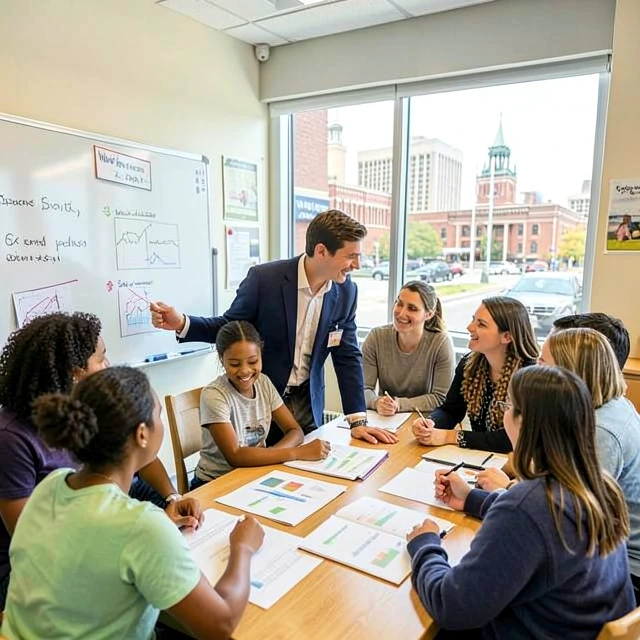
Real Impact Stories from Skill-Based Volunteering
Across the country, skill-based volunteers help nonprofits achieve more with limited resources. A marketing expert might create a social media campaign that doubles donations. An accountant could streamline financial processes, freeing staff time for mission-critical work.
At Washington University, these efforts strengthen the St. Louis region. Volunteers contribute to education initiatives, health programs, environmental projects, and social services. The university’s strong academic resources combined with community needs create powerful partnerships.
Stanford Graduate School of Business research highlights how volunteering builds social connections and increases identification with organizational goals. Similar dynamics play out when WashU community members engage locally. Volunteering Encourages Employees to Connect
Skills in Demand for Volunteer Roles
Common areas where nonprofits seek help include: - Digital communications and marketing - Data analysis and evaluation - Strategic planning and board development - Technology and IT infrastructure - Financial management and grant writing - Legal and compliance support - Program design and curriculum development
No matter your background, there is likely a place for your talents. Even short-term projects can deliver high value when they leverage specialized knowledge.
Overcoming Common Concerns
Many hesitate to volunteer their professional skills because they worry about time commitment or lack of experience in nonprofit settings. The WashU program addresses this with flexible, project-based opportunities and support from coordinators.
Start small. A few hours reviewing documents or offering advice in your area of expertise can make a big difference. Many volunteers find the work so rewarding that they increase their involvement over time.
Universities like Walden highlight how strategic volunteering positively impacts careers by building leadership abilities and networks. How Strategic Volunteering Can Positively Impact Your Career
Measuring Success and Impact
Skill-based volunteering creates value on multiple levels. Nonprofits gain professional-quality work that would otherwise be costly. Volunteers develop new competencies and expand their perspectives. Communities benefit from stronger organizations serving more people effectively.
Participants often report higher life satisfaction, better professional skills, and stronger community connections. These outcomes align with broader research on the benefits of purposeful engagement.
Getting the Most from Your Volunteer Experience
To maximize benefits: - Choose projects aligned with your interests and skills - Set clear goals for what you want to learn or contribute - Reflect on your experiences and how they connect to your broader goals - Build relationships with fellow volunteers and nonprofit staff - Share your learnings with colleagues at Washington University
The conversational nature of these opportunities often leads to mentorship relationships and unexpected collaborations that extend far beyond the initial project.
In summary, skill-based volunteer opportunities at Washington University offer a powerful way to give back while growing personally and professionally. Through the dedicated WashU Serves platform, you can find roles that match your unique abilities and make a genuine difference in St. Louis.
Whether you are a student exploring career paths, a faculty member seeking community connection, or staff looking to apply expertise differently, these opportunities deliver value for everyone involved. Take the first step today by exploring what’s available.