Skill-Based Volunteering in Education: A Win-Win for Schools and Professionals
Explore the world of skill-based volunteering in education, its benefits, challenges, and how you can make an impact using your expertise.
4 min read
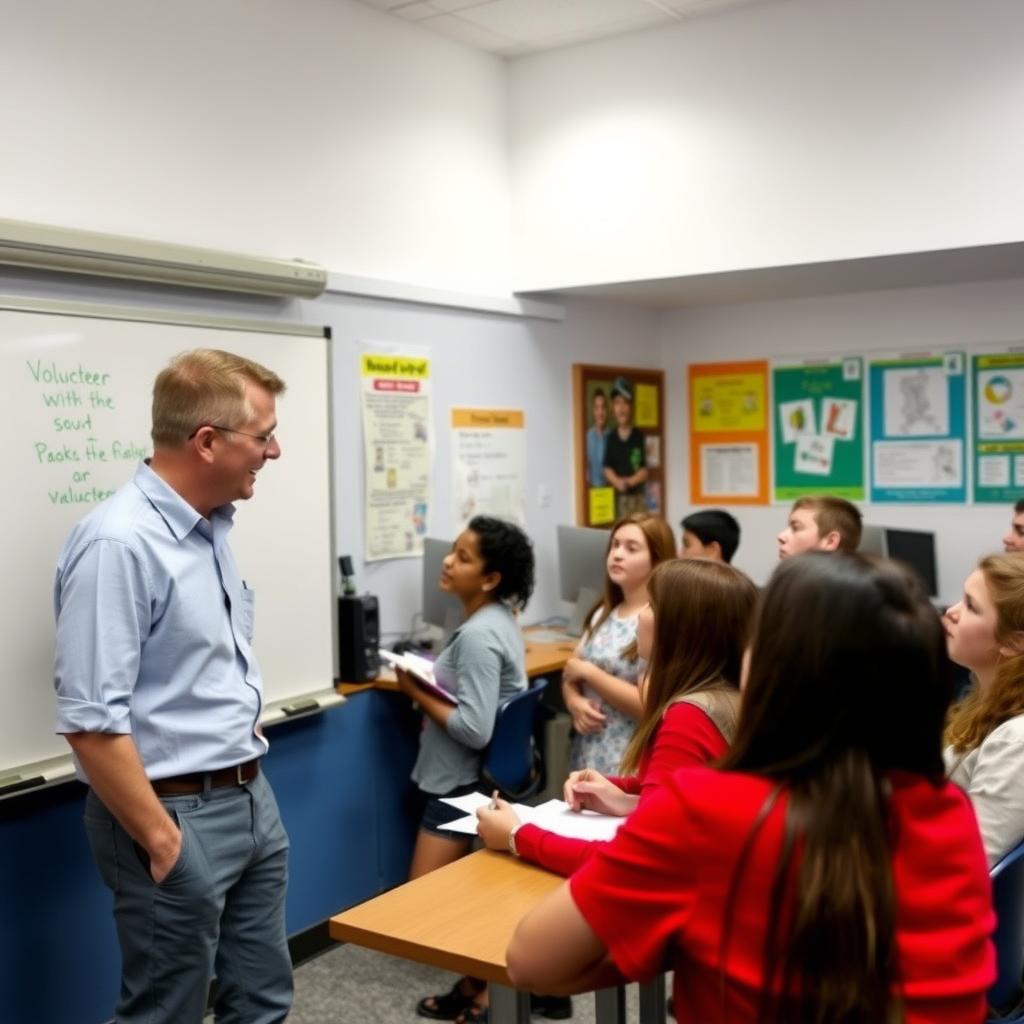
Skill-based volunteering in education is more than just a feel-good activity—it’s a meaningful way for professionals to give back while making a tangible impact. Whether you’re a marketer, engineer, or accountant, your skills can help schools and students thrive in ways that traditional volunteering might not. In this article, I’ll share what I’ve learned from my own experiences and from others who’ve taken this path.
At its core, skill-based volunteering means using your professional expertise to support educational institutions or students. Unlike general volunteering, where you might help with tasks like organizing events or cleaning up, skill-based volunteering leverages your specific talents. For example: - A graphic designer might create promotional materials for a school fundraiser. - A software developer could teach coding workshops to students. - A financial analyst might help a school improve its budgeting process.
This type of volunteering is especially valuable in underfunded schools or districts where resources are limited. It’s a way to fill gaps that schools might not otherwise be able to address.
From my perspective, the impact of skill-based volunteering is twofold: it benefits both the schools and the volunteers.
For Schools and Students: - Access to Expertise: Schools often lack the budget to hire specialists. Volunteers can provide high-quality services or knowledge for free. - Real-World Learning: Students get exposure to professionals and industries they might not otherwise encounter, which can inspire career paths. - Improved Resources: Whether it’s a new website or a better-organized library, the contributions can enhance the school’s overall environment.
For Volunteers: - Personal Fulfillment: There’s a unique satisfaction in using your skills to help others. It feels good to know you’re making a difference. - Skill Development: Volunteering can help you refine your own abilities or learn new ones, especially if you’re mentoring or teaching. - Networking: You’ll meet other professionals, educators, and community leaders, which can lead to new opportunities.
I remember when I volunteered to help a local high school with their marketing efforts. They wanted to increase enrollment but didn’t have the budget for a professional campaign. Using my background in digital marketing, I helped them create social media content and a simple website. The result? A 15% increase in applications the following year. It was a small effort on my part but a big win for the school.

While the benefits are clear, skill-based volunteering isn’t without its challenges. Here are a few I’ve encountered: - Time Commitment: Balancing volunteering with a full-time job can be tough. It’s important to set realistic expectations. - Skill Matching: Not every school needs every skill. Finding the right fit can take time. - Logistics: Coordinating schedules, especially with busy educators, can be tricky.
One challenge I faced was aligning my availability with the school’s needs. I wanted to help with a project, but the school’s timeline didn’t match my work schedule. We eventually found a solution by breaking the project into smaller tasks that I could complete on weekends.
Despite these hurdles, the rewards far outweigh the difficulties. The key is to be flexible and communicative.
If you’re interested in volunteering your skills, here’s a step-by-step guide based on my experience: 1. Identify Your Skills: Think about what you’re good at and how it could benefit a school. Don’t limit yourself—schools need a wide range of expertise. 2. Research Opportunities: Look for local schools or educational nonprofits that align with your interests. Websites like VolunteerMatch can help. 3. Reach Out: Contact the school or organization directly. Be clear about what you can offer and how much time you can commit. 4. Set Clear Expectations: Discuss the scope of the project, timelines, and any resources you’ll need. 5. Follow Through: Once you commit, make sure to deliver. Reliability is crucial in building trust.

- Be Patient: Schools move at their own pace. Be prepared for delays and changes.
- Communicate Clearly: Make sure everyone is on the same page about goals and expectations.
- Document Your Work: Keep records of what you’ve done. This can help the school maintain your contributions after you’re gone.
- Ask for Feedback: This can help you improve and ensure your efforts are meeting the school’s needs.
I once volunteered to mentor students in a career readiness program. At first, I wasn’t sure if my advice was resonating. But after asking for feedback, I learned that the students appreciated the real-world examples I shared. It was a small adjustment, but it made a big difference.
Beyond the immediate benefits, skill-based volunteering can have a lasting impact. For schools, it can lead to sustainable improvements, like better systems or ongoing programs. For volunteers, it can spark a lifelong commitment to giving back.
In my case, my initial volunteering experience led to a deeper involvement with the school. I ended up joining their advisory board, where I could continue to contribute my skills on a larger scale.
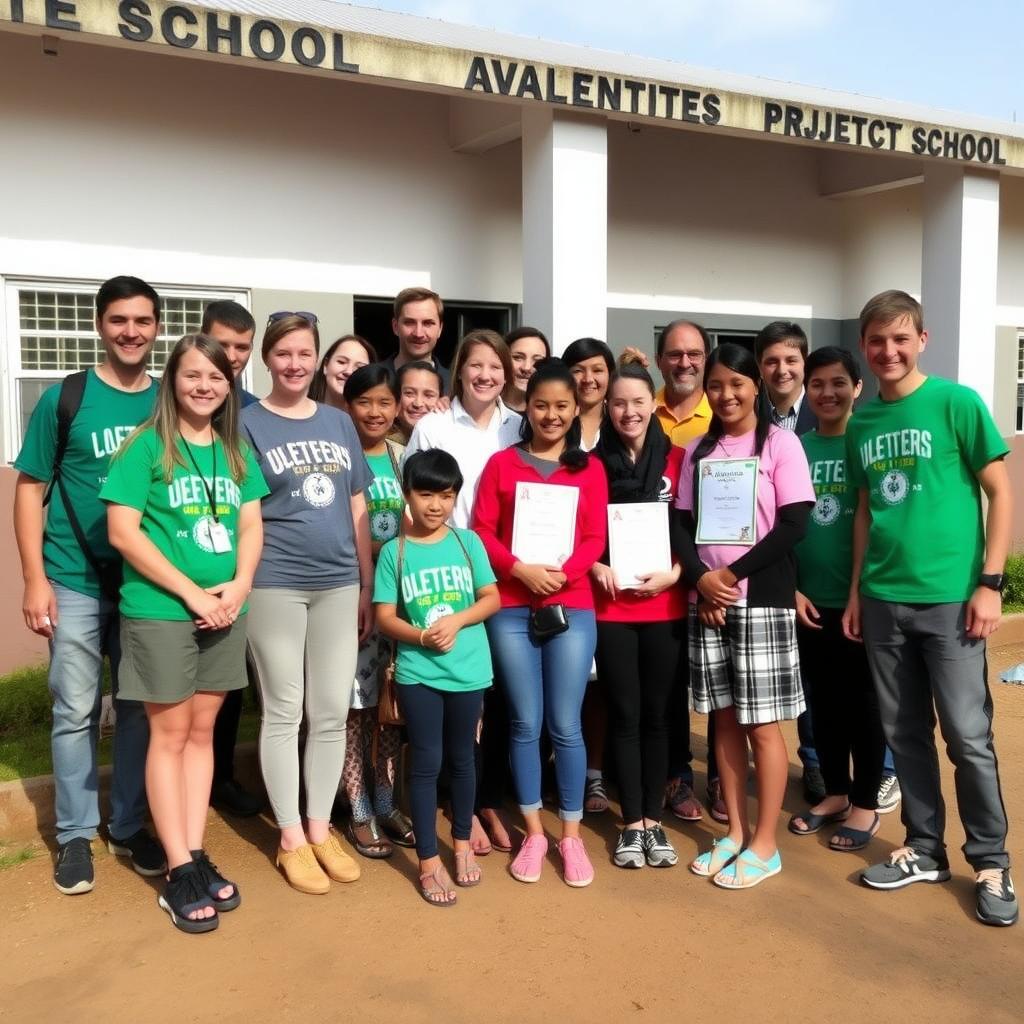
To get the most out of volunteering, keep these in mind: - Start Small: Test the waters with a short project. - Ask Questions: Find out what the school really needs. - Reflect: Think about what you’ve learned after.
I started with a one-day workshop. It was low pressure, and it showed me how much I enjoyed it. From there, I took on more.
Skill-based volunteering in education uses your expertise to help schools and students thrive. It’s rewarding but takes effort. With the right approach, you can make a lasting difference. Want to give it a shot? Your skills could change a classroom—or a life.