Skill-Based Volunteering in Education: Making a Difference with Your Expertise
Discover how professionals can use their skills to support education and make a lasting impact.
4 min read
Overview
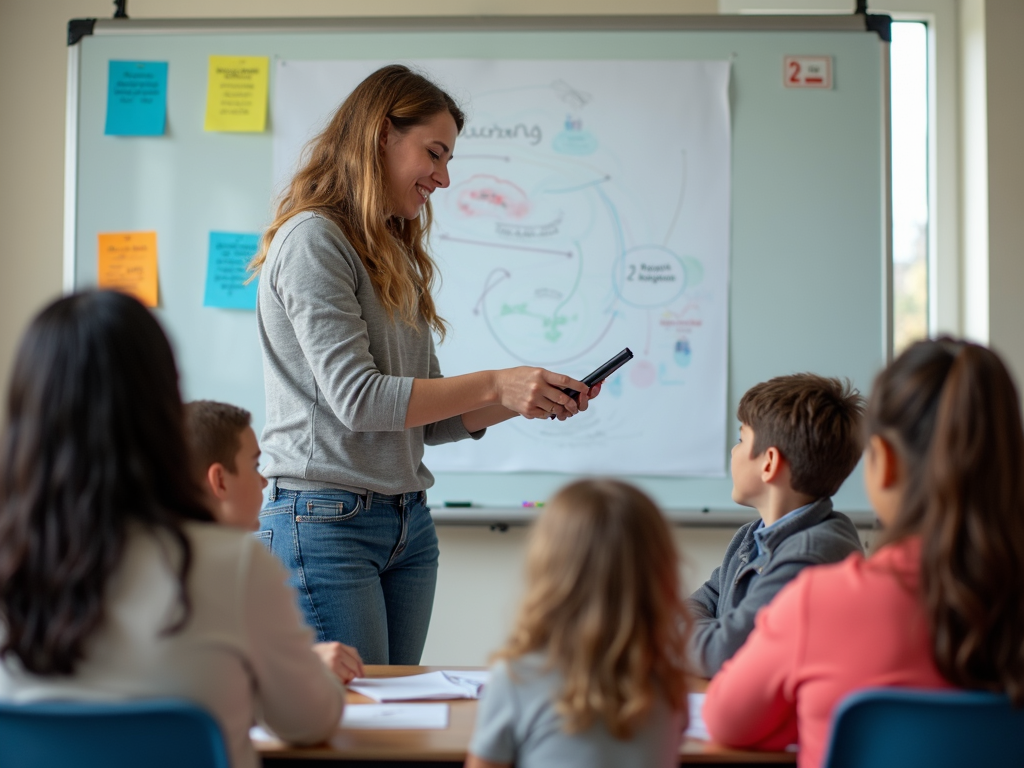
Skill-based volunteering in education allows professionals to use their expertise to support schools and educational organizations. By contributing their specialized skills, volunteers can significantly enhance learning experiences and institutional effectiveness.

What is Skill-Based Volunteering in Education?
Skill-based volunteering involves professionals offering their expertise to organizations in need. In education, this means applying skills like web development, marketing, or financial planning to support schools and educational nonprofits. Unlike traditional volunteering, which might involve general tasks, skill-based volunteering leverages specific professional abilities to address targeted needs.
For example, a graphic designer might create promotional materials for a school's fundraiser, while a data analyst could help interpret student performance metrics. This approach ensures that volunteers make a meaningful impact by addressing critical gaps in resources and expertise.
According to a study from Harvard University, skill-based volunteering can lead to significant improvements in student outcomes. The National Education Association highlights several successful skill-based volunteering programs in their article.

Benefits for Volunteers
Engaging in skill-based volunteering offers numerous personal and professional benefits. Volunteers often experience significant personal growth, developing new skills and gaining valuable experience in their field. Networking opportunities abound, as volunteers connect with educators, administrators, and other professionals. The fulfillment derived from making a tangible difference in students' lives is immeasurable, and the experience can also enhance a volunteer's resume, showcasing their commitment to community service and their ability to apply their skills in diverse settings.
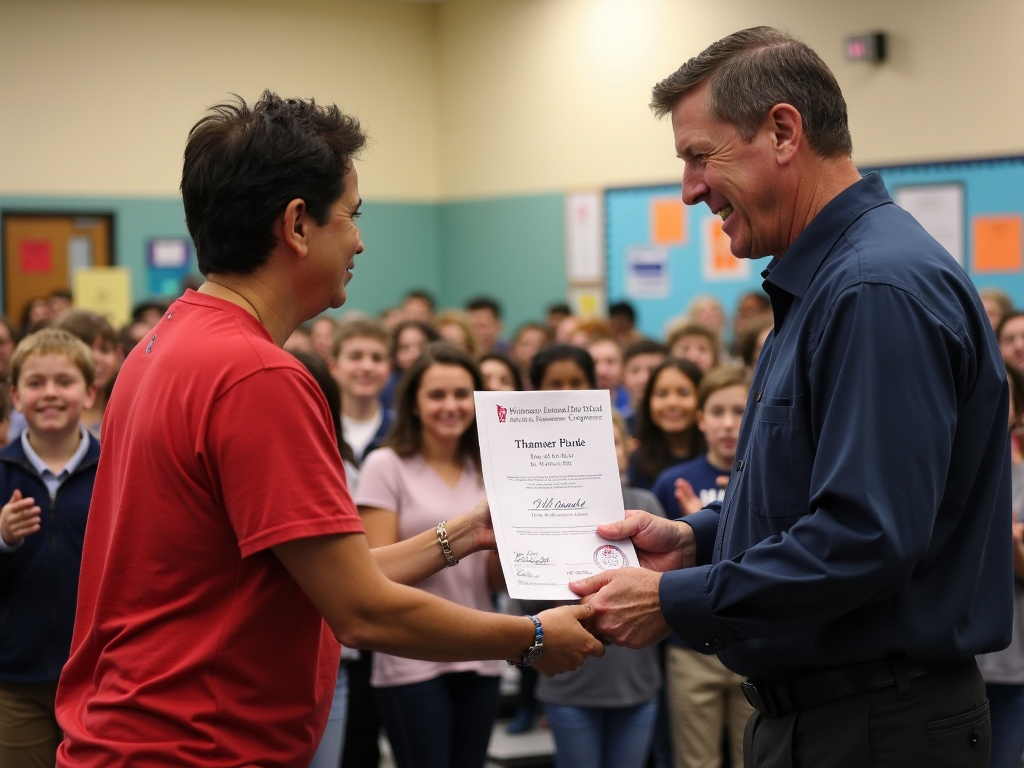
"Volunteering as a skill-based volunteer in education has been one of the most rewarding experiences of my career," says Jane Doe, a marketing professional who volunteered to help a local school develop its outreach strategy. "Not only did I get to use my skills to make a real difference, but I also learned so much from the educators and students I worked with."
Benefits for Educational Institutions
Educational institutions reap substantial rewards from skill-based volunteering. They gain access to expertise that might otherwise be unaffordable, allowing them to improve their services and operations. For instance, a volunteer marketer can help a school develop a more effective outreach strategy, while a volunteer IT specialist can enhance the institution's technological infrastructure. These contributions lead to enriched student experiences, as schools can offer better resources and programs.
A report from the U.S. Department of Education highlights the positive impact of volunteering on educational outcomes.
How to Get Involved
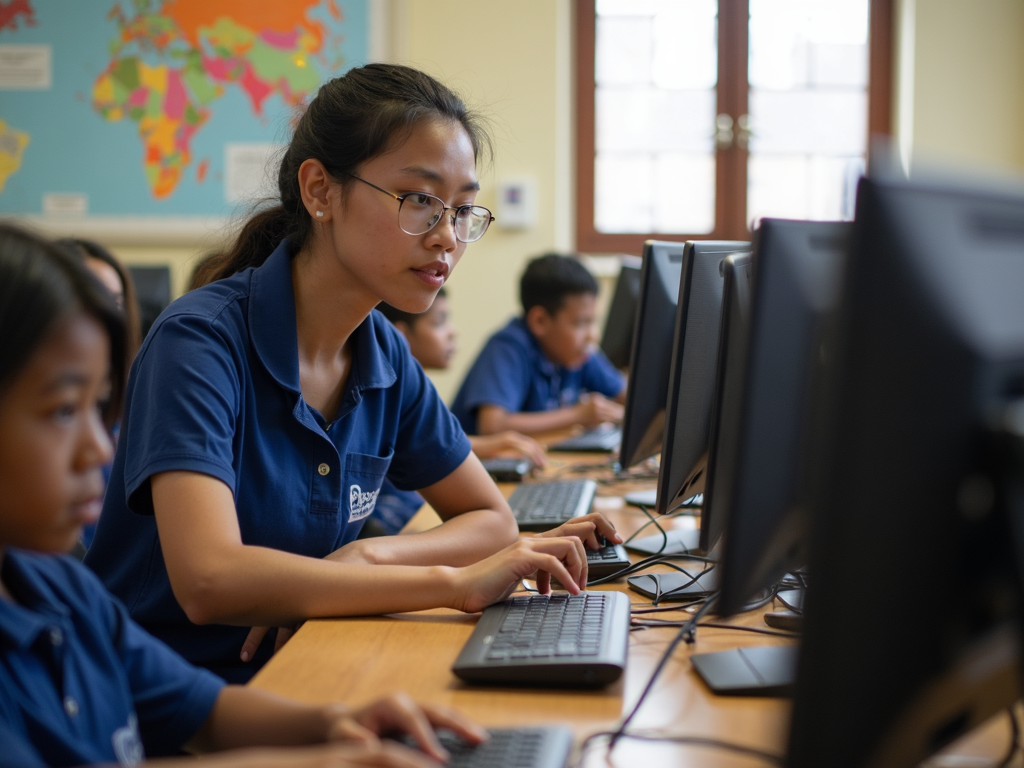
Finding skill-based volunteering opportunities in education is easier than ever. Volunteers can explore platforms like VolunteerMatch or Idealist, which list opportunities tailored to specific skills. Directly contacting local schools or educational nonprofits is another effective approach. Before committing, volunteers should understand the organization's needs and set clear expectations. To maximize the experience, volunteers should be proactive, communicate effectively, and remain flexible to adapt to the institution's evolving requirements.
Here are some steps to get started:
- Identify your skills: Reflect on your professional expertise and how it can be applied in an educational setting.
- Research opportunities: Use volunteer platforms, contact local schools, or join professional networks focused on education.
- Reach out: Contact the organization, express your interest, and discuss how your skills can meet their needs.
- Set expectations: Clarify the scope of the project, time commitment, and desired outcomes.
- Deliver value: Be proactive, communicate regularly, and ensure your work aligns with the organization's goals.
Examples of Skill-Based Volunteering Projects
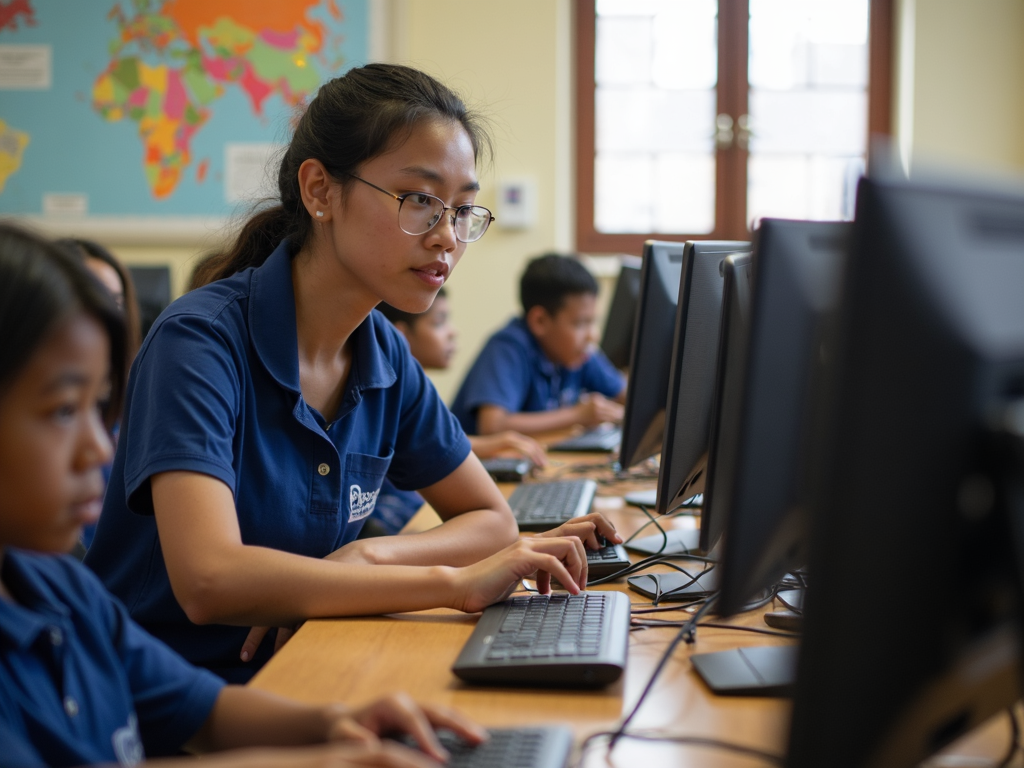
Skill-based volunteering projects in education are diverse and impactful. For instance, a team of volunteer engineers might design a STEM curriculum for a local high school, while a group of marketing professionals could develop a social media campaign to promote a school's extracurricular programs. These projects not only address immediate needs but also foster long-term improvements in educational quality.
Case Study: Revamping a School's Website
A local elementary school had an outdated website that was difficult to navigate and failed to showcase its programs effectively. A volunteer web developer stepped in to redesign the site, creating a user-friendly interface with updated content and interactive features. The new website not only improved the school's online presence but also increased parent engagement and enrollment inquiries.

Challenges and How to Overcome Them
While skill-based volunteering is rewarding, it comes with challenges. Time management is a common issue, as volunteers must balance their commitments with work and personal life. Ensuring that the skills offered align with the organization's needs is crucial to avoid mismatches. Communication barriers can also arise, especially when working with diverse stakeholders. To overcome these challenges, volunteers should set realistic time commitments, clarify expectations upfront, and maintain open lines of communication.
Challenge: Time Management
Balancing volunteering with work and personal commitments can be tough. To manage this, set clear boundaries and prioritize tasks. Use project management tools to track progress and deadlines.

The Future of Skill-Based Volunteering in Education
The demand for skill-based volunteering in education is expected to grow as schools and nonprofits increasingly recognize the value of specialized expertise. Technology will play a pivotal role, enabling virtual volunteering opportunities that expand access and flexibility. Policymakers can encourage this trend by promoting programs that connect professionals with educational institutions, fostering a culture of community engagement and support.
As technology continues to evolve, virtual skill-based volunteering is becoming more prevalent. This allows professionals to contribute from anywhere, expanding the pool of potential volunteers and enabling global collaboration. Additionally, policymakers are recognizing the value of skill-based volunteering and are implementing programs to encourage more professionals to get involved.

Summary
Skill-based volunteering in education offers a unique opportunity for professionals to make a meaningful impact while gaining personal and professional benefits. By leveraging their expertise, volunteers can help educational institutions overcome resource constraints and enhance their services. As this form of volunteering continues to grow, it will play an increasingly important role in shaping the future of education. Whether you're a seasoned professional or just starting your career, consider how your skills can contribute to the betterment of education in your community.