The Transformative Power of Skill-Based Volunteering in Education
Explore how skill-based volunteering in education lets professionals share their expertise to support students, strengthen schools, and create meaningful change for everyone involved.
3 min read

A Quick Overview
Skill-based volunteering in education happens when professionals donate their expert skills to help schools, teachers, and students. Instead of general tasks, volunteers apply what they do best—whether that's marketing, technology, finance, or teaching—to solve real problems and drive lasting improvement. This approach benefits students, schools, and the volunteers themselves. (42 words)

What Is Skill-Based Volunteering in Education?
Skill-based volunteering goes beyond traditional help like painting walls or sorting supplies. You use your professional strengths to fill gaps that schools often face.
A graphic designer might create engaging materials for a literacy program. An IT specialist could set up a school's website or train teachers on new tools. A finance expert might help a nonprofit education organization build a sustainable budget.
This targeted approach creates deeper, longer-lasting impact.
Many organizations now prioritize this model because it matches real needs with real expertise. Schools and educational nonprofits gain access to skills they could never afford to hire.
Why Education Needs Skill-Based Volunteers
Schools today face tight budgets and rapid changes, especially in technology and digital learning. Many lack in-house experts for marketing, data analysis, or strategic planning.
Students also need exposure to real-world careers and role models who look like them or come from similar backgrounds.
Research shows volunteering positively shapes young people's futures. According to the OECD, teenagers who volunteer gain better career prospects, higher earnings, and greater job satisfaction later in life.
Skill-based volunteering in education bridges these gaps. Professionals bring current industry knowledge directly into classrooms and school programs.
Benefits for Students and Schools
Students gain the most visible rewards.
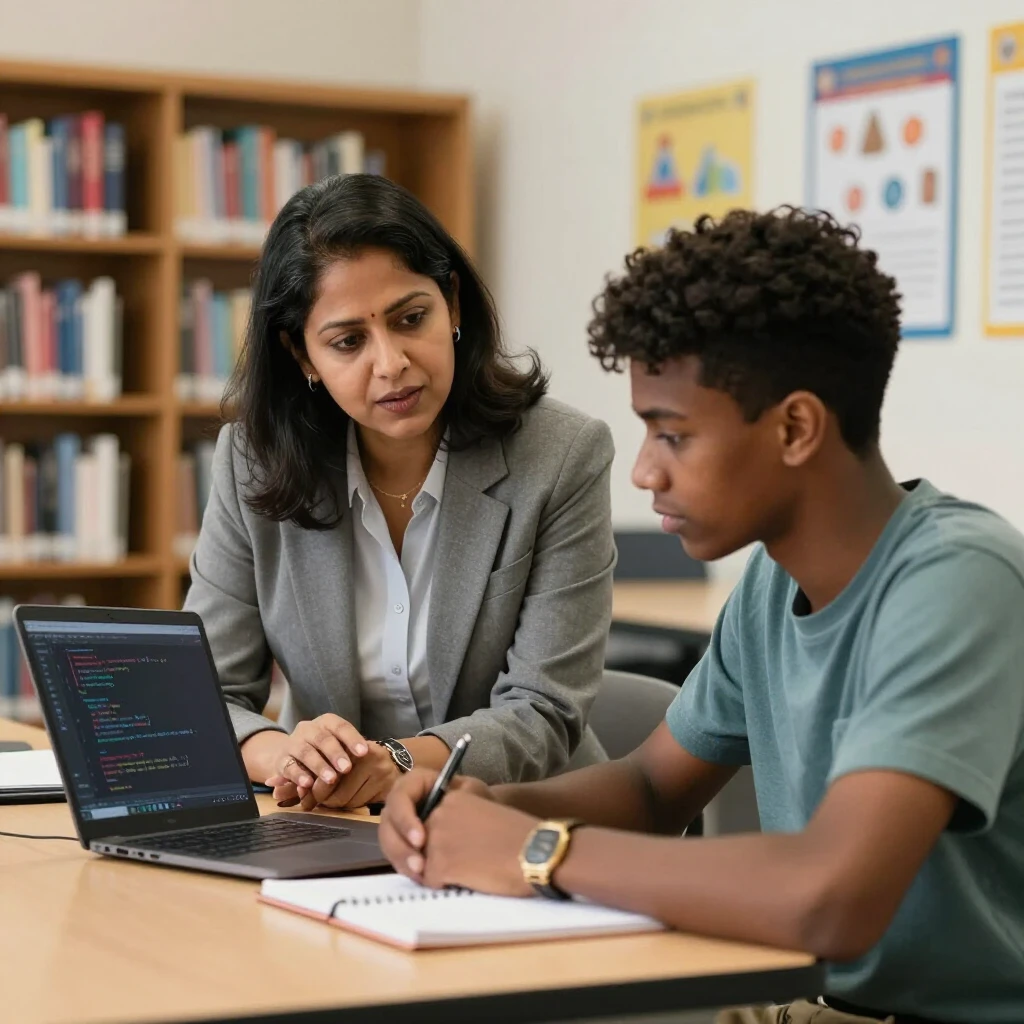
- They receive personalized tutoring in subjects like coding, financial literacy, or public speaking
- They meet professionals who inspire new career ideas
- They build confidence through real-world projects
Schools and educational organizations benefit too. Volunteers help create better websites, stronger fundraising campaigns, improved data systems, and professional development for teachers.
One study found that structured volunteer programs in schools improve student attendance, grades, and sense of belonging.
Nonprofits focused on education often report that skill-based volunteers help them reach more students and deliver higher-quality programs.
Benefits for Volunteers
You gain just as much as you give.
Over 80% of volunteers who work in schools report stronger communication, leadership, and relationship-building skills, according to a comprehensive study by Education and Employers.
Many volunteers also discover renewed purpose in their careers. Seeing your daily skills make a direct difference feels deeply rewarding.
From my conversations with hundreds of volunteers, the most common feedback is: "I get more energy from a few hours volunteering than from a full week at my desk."
Career benefits appear too. Reports from the Corporation for National and Community Service show that people with volunteer experience have significantly higher odds of finding employment.
Real-World Examples That Inspire
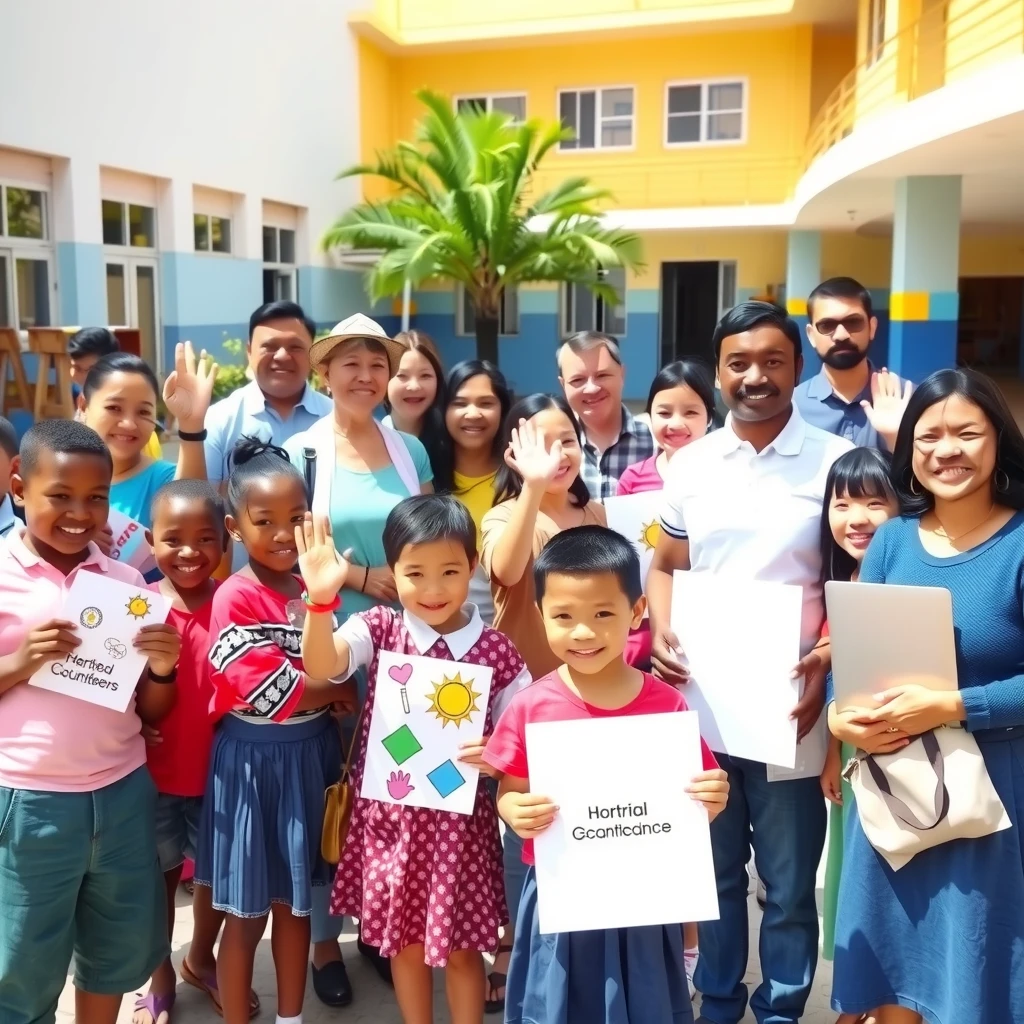
- Tech professionals partner with organizations like Team4Tech to bring digital learning projects to underserved schools worldwide
- Marketing experts help small education nonprofits build social media presence and donor campaigns
- Accountants volunteer to teach financial literacy classes to high school students
- Designers create free branding and materials for after-school programs
These stories show skill-based volunteering works at every scale.
How to Get Started
Ready to begin? Follow these steps:
- Identify your strongest professional skills
- Think about causes you care about—literacy, STEM, college access, special education
- Search platforms like VolunteerMatch, Catchafire, or LinkedIn for skill-based opportunities
- Reach out directly to local schools or education nonprofits
- Start small—one project or a few hours per month
Many companies now offer paid volunteer time, so check your employer's policy.
Overcoming Common Challenges
Time stands as the biggest barrier. Solution: Choose short-term or virtual projects that fit busy schedules.
Feeling unsure about impact? Pick organizations that provide clear goals and feedback.
Worried about qualifications? Most programs offer training and support.
Final Thoughts
Skill-based volunteering in education creates a powerful cycle: professionals share expertise, schools gain capacity, students receive inspiration and opportunity, and volunteers find renewed meaning.
When you volunteer your skills, you don't just help others—you help build the kind of world we all want to live in. The next generation needs your knowledge and experience. Start today, even in a small way. The impact will surprise you.