Skill-Based Volunteering in Education: Making a Real Impact
Discover how skill-based volunteering in education transforms schools and communities. Learn how professionals can share expertise to empower students, enhance learning, and build brighter futures through meaningful volunteer opportunities.
5 min read
Overview
Skill-based volunteering in education lets professionals use their expertise to support students and schools. By sharing skills like coding, marketing, or mentoring, volunteers create lasting impact. This article explores how these efforts work, why they matter, and how you can get involved.
What Is Skill-Based Volunteering in Education?
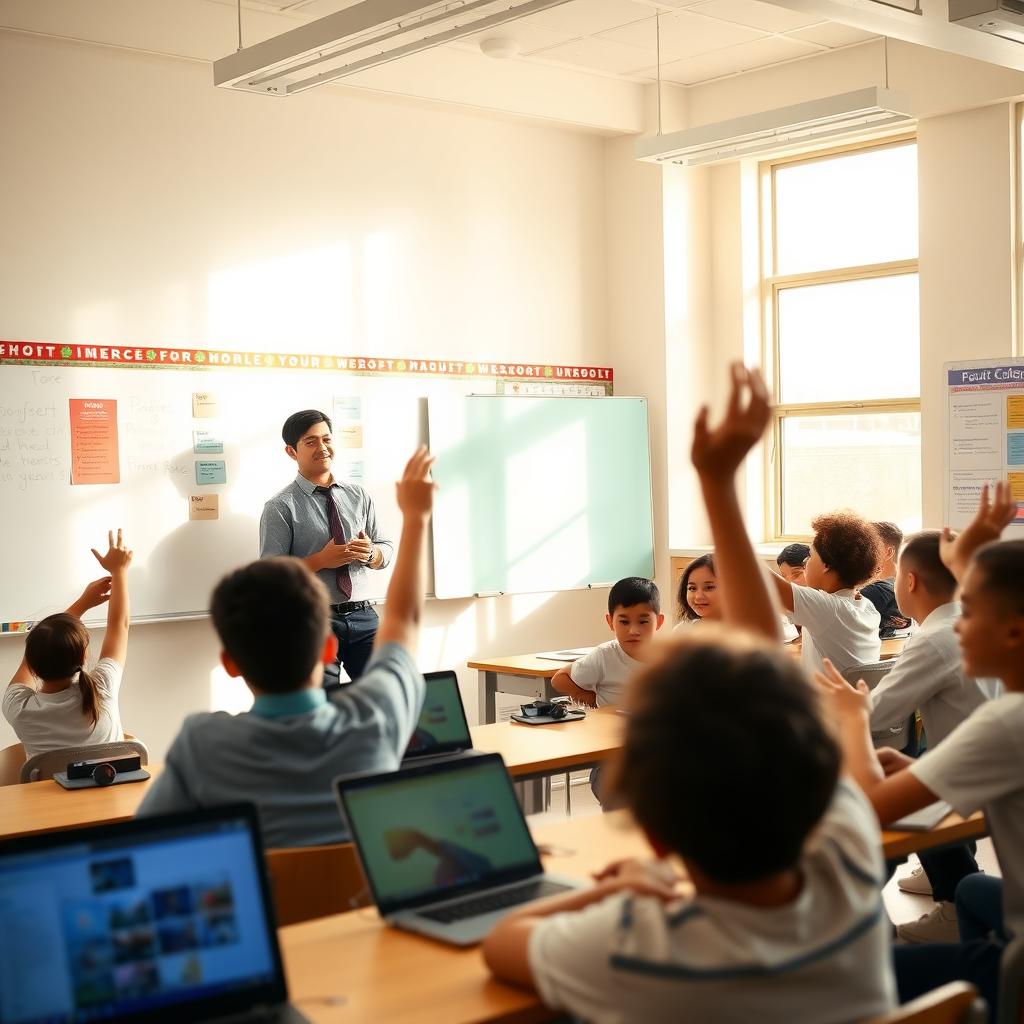
Skill-based volunteering in education is when professionals donate their expertise to help schools, students, or educational programs. Unlike general volunteering, like cleaning classrooms or chaperoning field trips, this approach uses specific skills to address targeted needs. Think of a graphic designer creating materials for a school fundraiser or an engineer teaching kids to code. These efforts fill gaps schools often face due to limited budgets or staff.
I’ve seen this firsthand. A friend, a software developer, volunteered to teach basic coding to middle schoolers. The kids were thrilled, building simple apps in weeks. Their excitement was contagious, and my friend felt he’d made a real difference. That’s the power of skill-based volunteering—it’s personal, practical, and impactful.

Why Skill-Based Volunteering Matters
Schools often lack resources for specialized programs. Budget cuts hit hard, leaving gaps in areas like technology, arts, or career prep. Skill-based volunteers bridge these gaps. They bring real-world expertise that teachers may not have, giving students access to skills they’d otherwise miss.
For volunteers, it’s a chance to give back meaningfully. You’re not just helping—you’re shaping futures. Studies show that students exposed to career-focused mentoring or skill-building programs are more likely to pursue higher education or enter skilled trades (source: National Mentoring Partnership). Plus, volunteers often find it rewarding. Sharing what you know feels good, and seeing a student’s confidence grow is even better.
Types of Skill-Based Volunteering in Education
There are endless ways to contribute. Here’s a quick look at common opportunities:
| Skill Area | Volunteer Activity | Impact |
|---|---|---|
| Technology | Teach coding or digital literacy | Prepares students for tech-driven careers |
| Marketing | Create promotional materials for school events | Boosts community engagement |
| Finance | Mentor students on budgeting or financial literacy | Builds life skills |
| Arts | Lead workshops on design, music, or writing | Fosters creativity |
| Career Prep | Offer resume workshops or mock interviews | Equips students for the workforce |
These are just examples. Your unique skills—whether public speaking, project management, or even carpentry—can find a place in education.
How to Get Started
Ready to jump in? Here’s how to start skill-based volunteering in education:
- Identify Your Skills: What are you good at? Maybe you’re a whiz at spreadsheets or great at public speaking. Even niche skills can help.
- Find Opportunities: Check with local schools, nonprofits, or platforms like VolunteerMatch. Many organizations list skill-based needs.
- Connect with Schools: Reach out to principals or parent-teacher groups. Be clear about what you can offer.
- Set Clear Goals: Decide how much time you can commit. Even a few hours a month can make a difference.
- Get Training if Needed: Some programs offer volunteer training to ensure you’re ready to work with students.
When I started volunteering, I was nervous. I’m a writer, not a teacher, but a local high school needed help with their newspaper. I offered to coach students on storytelling. The first session was shaky, but by the end, the kids were pitching ideas like pros. It showed me anyone can contribute with the right mindset.
Benefits for Volunteers
Skill-based volunteering isn’t just about giving—it gives back, too. Here’s how:
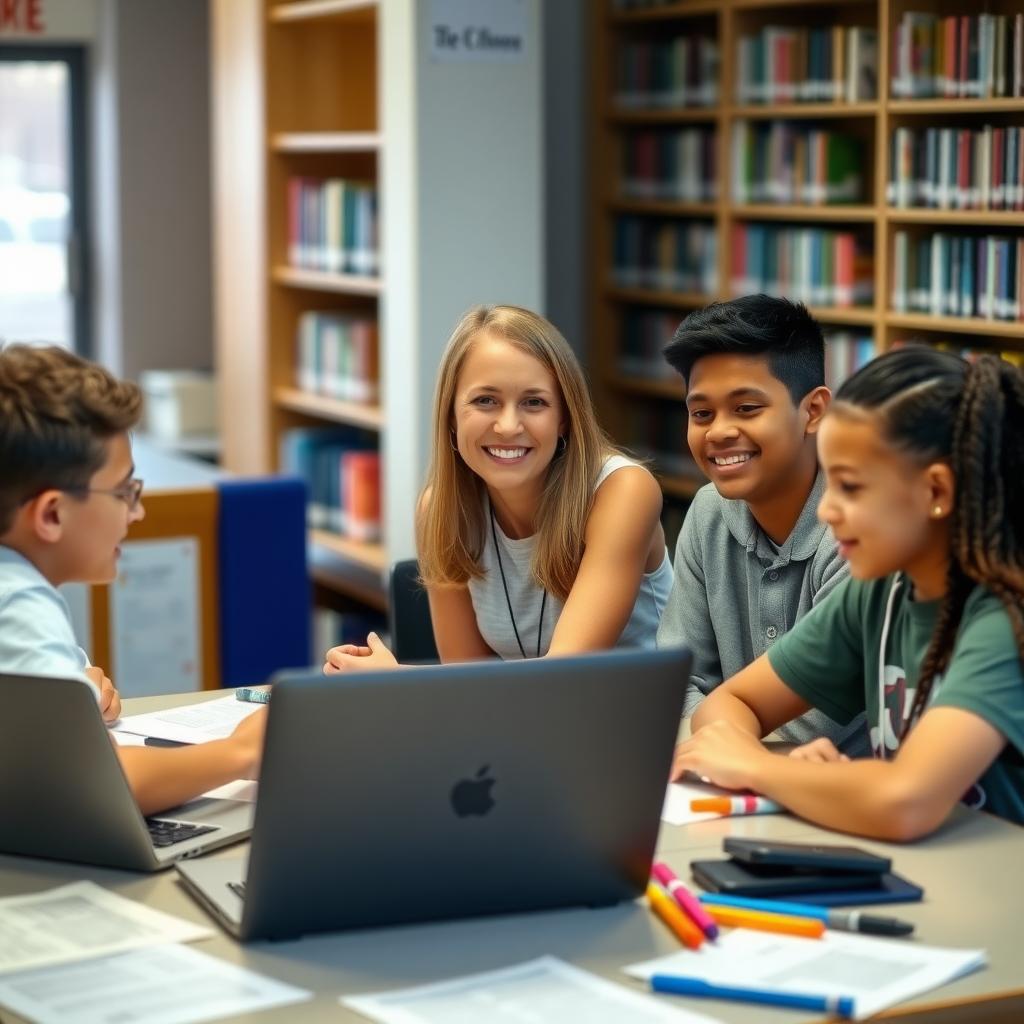
- Personal Growth: You’ll sharpen your own skills. Teaching forces you to simplify complex ideas, which makes you better at your craft.
- Networking: You’ll meet educators, parents, and other volunteers, expanding your community.
- Fulfillment: There’s nothing like seeing a student “get it.” That moment when a kid you’ve mentored nails a presentation? Priceless.
- Career Boost: Volunteering looks great on a resume. It shows leadership and commitment.
I once volunteered to help a group of students prepare for a business pitch competition. Watching them go from nervous to confident was incredible. But honestly, I learned as much as they did—patience, adaptability, and how to explain things clearly.
Challenges and How to Overcome Them
Volunteering isn’t always easy. Here are common hurdles and tips to handle them:
- Time Constraints: Busy schedule? Start small with one-off workshops or virtual sessions.
- Lack of Experience with Kids: Not used to working with students? Ask for a co-volunteer or mentor to guide you.
- Unclear Expectations: Schools may not know what you can offer. Prepare a clear pitch of your skills and how they help.
- Burnout: Don’t overcommit. Set boundaries and focus on what you enjoy.
I hit a wall once when I took on too many sessions. I was exhausted and less effective. Scaling back to one workshop a month made it sustainable and fun again.
Real-World Impact
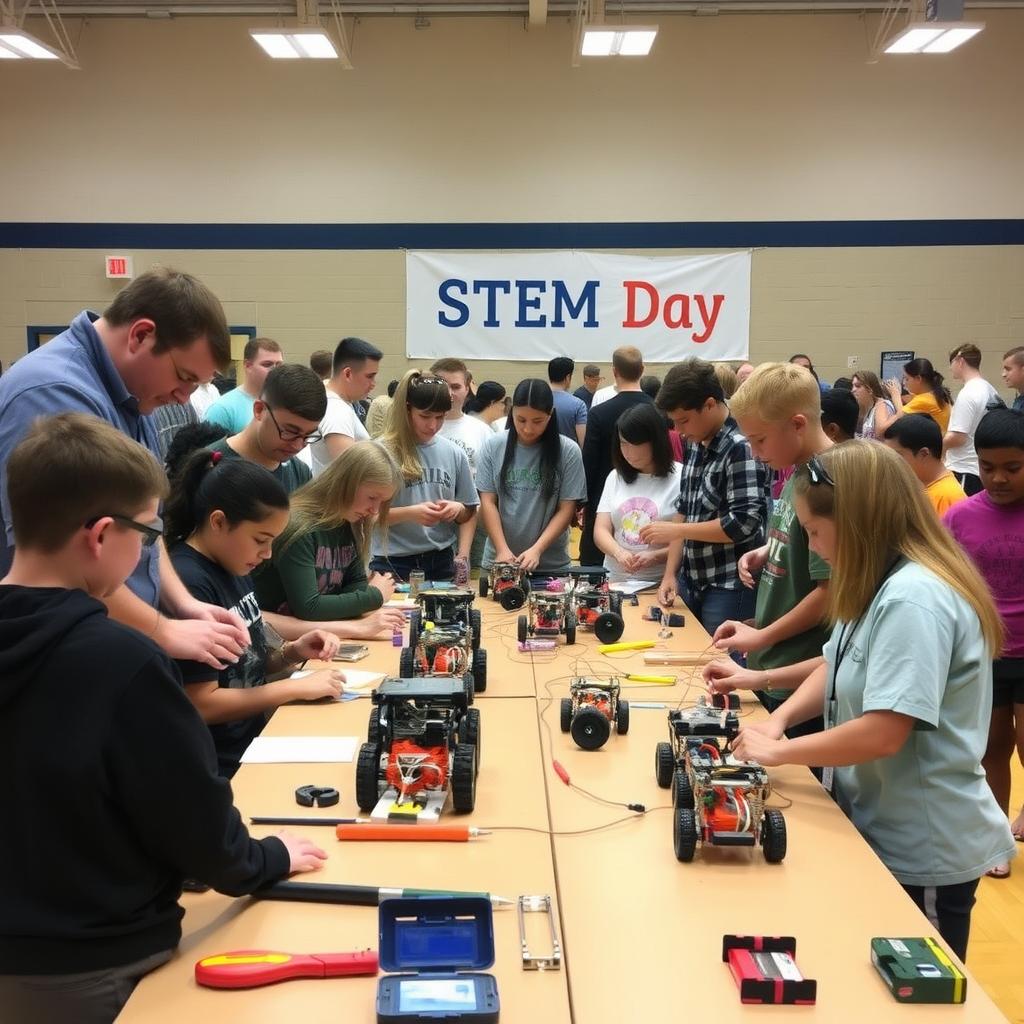
Skill-based volunteering in education creates ripple effects. Students gain confidence and skills, schools get resources they couldn’t afford, and communities grow stronger. A 2023 study by Points of Light found that skill-based volunteering increases student engagement by 30% in programs where volunteers are involved.
I saw this in action at a local elementary school. A volunteer accountant taught kids basic budgeting through a fun game. Months later, parents shared how their kids were saving allowance money smarter. That’s the kind of change skill-based volunteering sparks.
Tips for Making a Lasting Difference
Want to maximize your impact? Try these:
- Listen to Students: Ask what they’re curious about. Tailor your work to their interests.
- Be Consistent: Regular involvement builds trust and deeper learning.
- Collaborate with Teachers: They know the students best. Work together to align your efforts.
- Celebrate Small Wins: Progress takes time. Acknowledge every step forward.
One of my best moments was when a shy student I mentored wrote a thank-you note. It wasn’t perfect, but it was heartfelt. That note still sits on my desk as a reminder of why I volunteer.
Summary
Skill-based volunteering in education is a win-win. Students gain skills and inspiration, schools get expert help, and volunteers find purpose. Whether you’re teaching coding, mentoring, or sharing career advice, your skills can change lives. Start small, find your fit, and make a difference today.