Essential Skills for Advocacy Volunteering: A Comprehensive Guide
Discover the key skills needed for advocacy volunteering and learn how to develop them to make a meaningful impact in your community.
3 min read

Advocacy volunteering is a powerful way to make a difference in your community. It involves promoting a cause or issue through various activities, such as public speaking, organizing events, or lobbying. To be effective in this role, you need a unique set of skills. In this article, we'll explore the essential skills needed for advocacy volunteering and provide tips on how to develop them.
Essential Skills for Advocacy Volunteering
Communication Skills

Effective communication is crucial for advocacy volunteering. It involves not only speaking clearly and persuasively but also listening actively and empathetically. Good communicators can articulate their message, engage their audience, and build relationships with stakeholders. For example, you might need to give presentations, write letters or emails, or participate in meetings. To improve your communication skills, practice public speaking, take writing courses, or seek feedback from others.
Organizational Skills
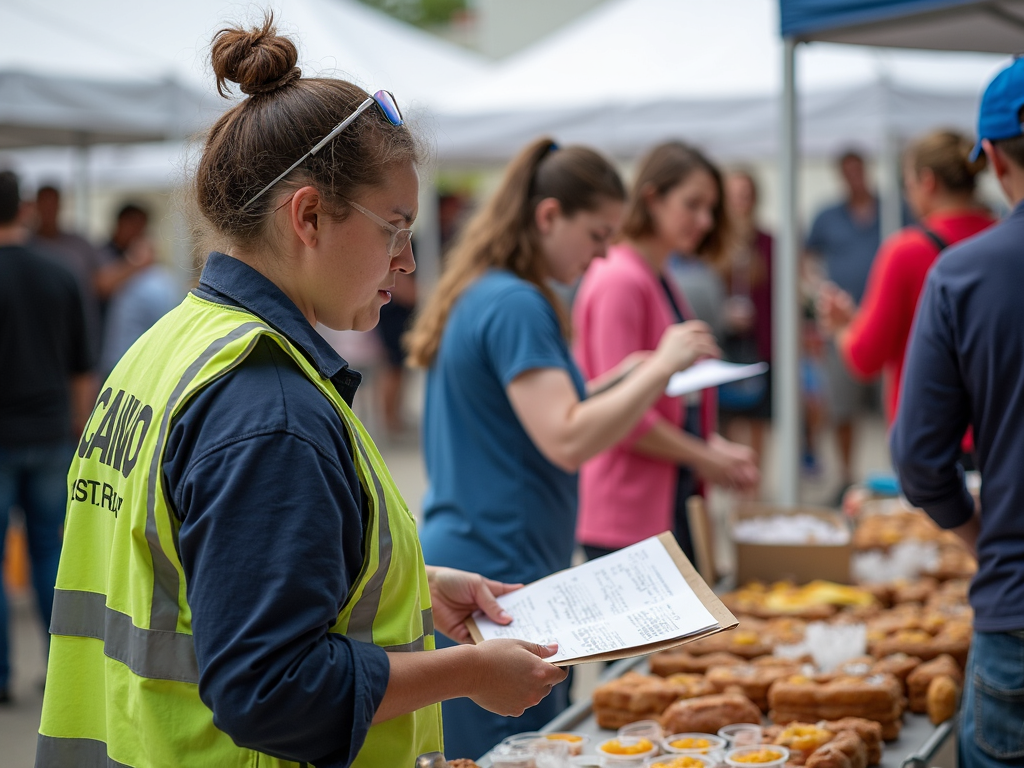
Organizational skills are essential for planning and executing advocacy activities. This includes time management, attention to detail, and the ability to coordinate multiple tasks. For instance, you might need to organize events, manage projects, or coordinate volunteers. To enhance your organizational skills, create to-do lists, set deadlines, and use project management tools.
Interpersonal Skills

Interpersonal skills are vital for building relationships and working collaboratively. This includes empathy, teamwork, and conflict resolution. For example, you might need to work with diverse groups, resolve disagreements, or motivate others. To develop your interpersonal skills, practice active listening, seek to understand different perspectives, and participate in team-building activities.
Research Skills

Research skills are important for understanding the issues you're advocating for and developing effective strategies. This involves gathering information, analyzing data, and staying informed about current events. For instance, you might need to research policies, identify key stakeholders, or evaluate the impact of your advocacy efforts. To improve your research skills, use reliable sources, take notes, and stay organized.
Problem-Solving Skills

Problem-solving skills are crucial for overcoming challenges and achieving your advocacy goals. This includes critical thinking, creativity, and adaptability. For example, you might need to find innovative ways to raise awareness, address opposition, or secure funding. To enhance your problem-solving skills, practice brainstorming, seek diverse perspectives, and learn from past experiences.
Developing Your Skills
Developing the skills needed for advocacy volunteering takes time and effort, but it's a rewarding process. Here are some tips to help you get started:
-
Practice regularly: The more you practice, the better you'll become. Look for opportunities to use your skills in real-world situations.
-
Seek feedback: Ask for feedback from others to identify areas for improvement and learn from your mistakes.
-
Learn from others: Observe experienced advocates and learn from their techniques and strategies.
-
Take courses or workshops: Many organizations offer training programs for advocacy volunteers. These can provide valuable knowledge and skills.
-
Stay informed: Keep up-to-date with current events and developments in your area of interest. This will help you stay relevant and effective.
Conclusion
Advocacy volunteering is a powerful way to make a difference, but it requires a unique set of skills. By developing your communication, organizational, interpersonal, research, and problem-solving skills, you can become an effective advocate for your cause. Remember, the key to success is practice, feedback, and continuous learning.
For more information on advocacy volunteering, check out the following resources:
-
Advocacy Skills Training - A comprehensive guide to developing advocacy skills.
-
Volunteer Management - Tips and strategies for managing volunteers effectively.
-
Community Organizing - A guide to organizing and mobilizing communities for change.