Start Your Own Community Project: A Step-by-Step Guide
Community projects are a fantastic way to create positive change in your area. This guide, Start Your Own Community Project: A Step-by-Step Guide, walks you through every step—from finding your passion to celebrating success—while weaving in service learning and civic engagement to inspire volunteers like you.
2 min read
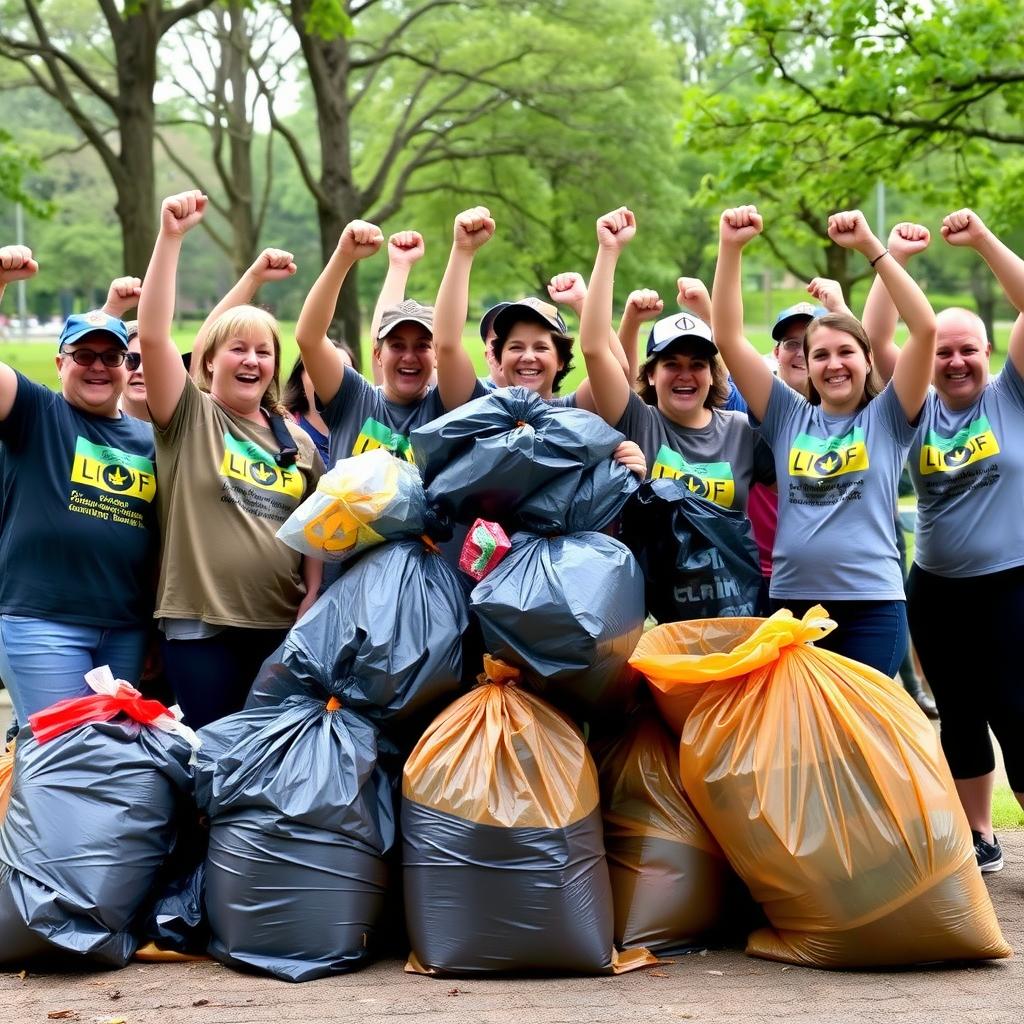
Start Your Own Community Project: A Step-by-Step Guide
Overview: Community projects are a fantastic way to create positive change in your area. This guide, Start Your Own Community Project: A Step-by-Step Guide, walks you through every step—from finding your passion to celebrating success—while weaving in service learning and civic engagement to inspire volunteers like you.
Research and Planning
Next, dig into what’s already happening around you. Are there groups tackling your cause? What’s missing? Research helps you avoid repeating efforts and find a unique angle for your project. Check online forums, community boards, or chat with local leaders.
When I started my cleanup, I learned a nearby group had tried something similar but stopped due to lack of help. That told me I needed a strong team to make it work. A little homework upfront saves headaches later.
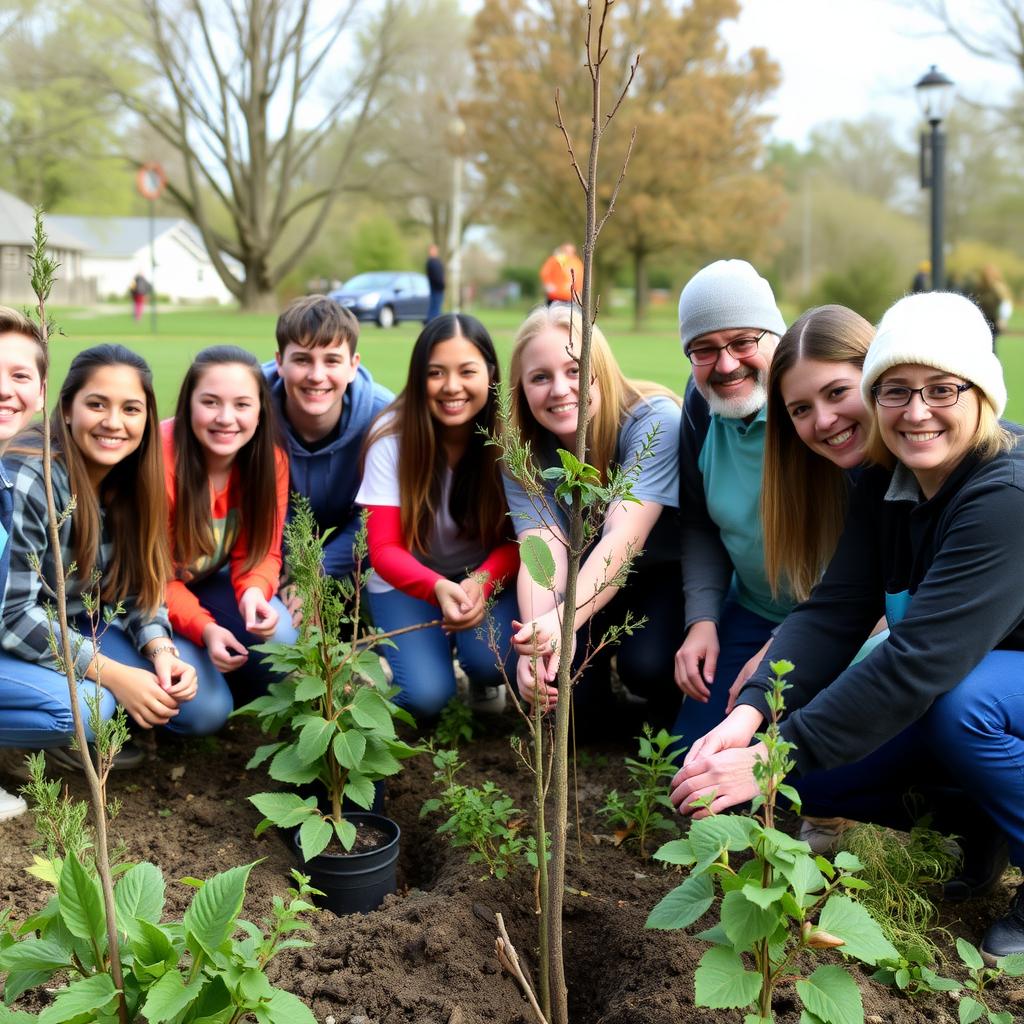
Set Clear Goals
Goals give your project direction. Vague ideas like “make things better” won’t cut it. Instead, aim for something concrete: “Collect 200 pounds of trash in one weekend” or “Host 10 tutoring sessions this month.” Use the SMART method—specific, measurable, achievable, relevant, time-bound.
For my cleanup, I aimed to gather 15 volunteers and clear 250 pounds of trash in a day. Clear goals kept us on track and let us see our progress.
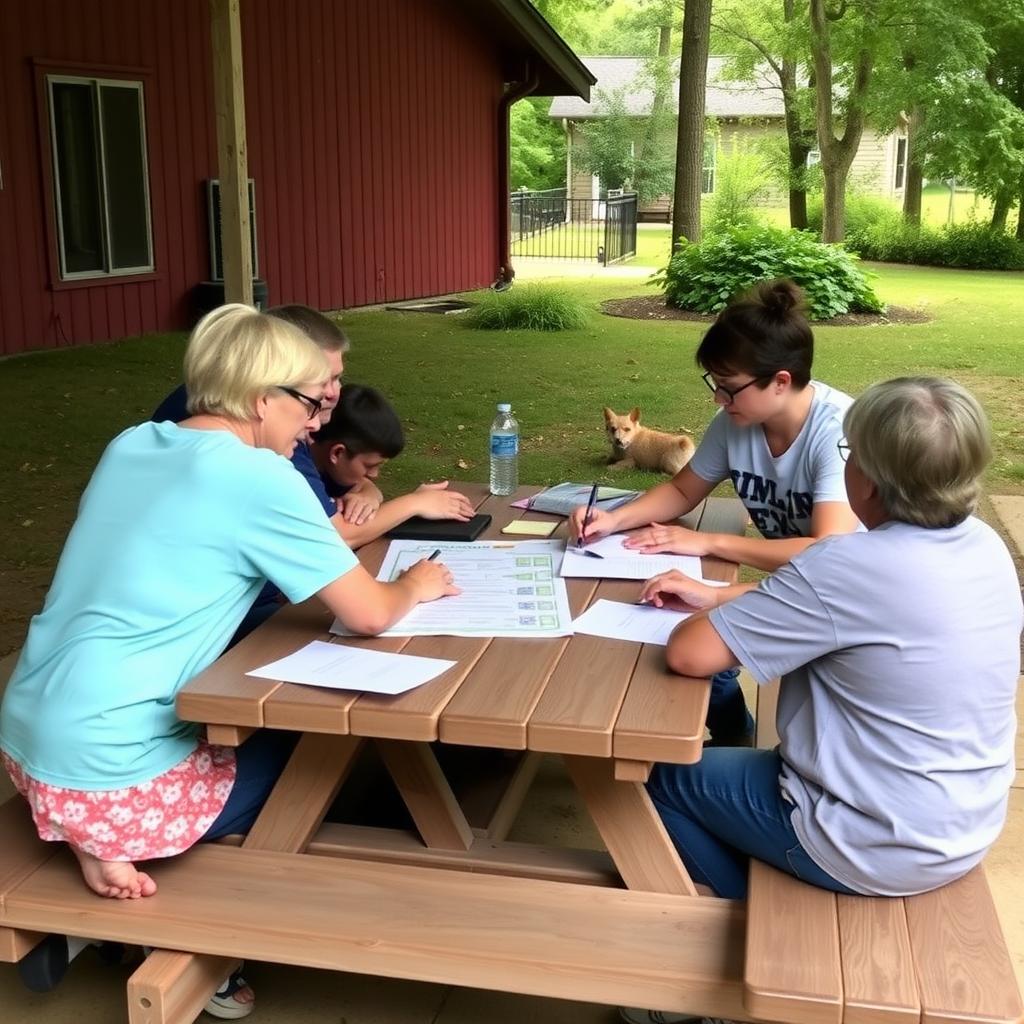
Image Description: A small group huddles around a picnic table, scribbling on a notepad. Papers with timelines and sketches spread out before them as they plan a project, their faces lit with excitement.
Secure Resources
Projects need stuff—money, tools, or partners. Figure out what’s essential and how to get it. Local businesses might donate supplies, or you could apply for small grants. Don’t be shy about asking for help.
I reached out to a hardware store for trash bags and scored a discount. A local café chipped in snacks for volunteers. Every bit you secure makes the work easier.
Implement Your Project
Time to roll up your sleeves. Launch your plan, but stay flexible—things can shift. Maybe fewer people show up, or you finish early. Adjust and keep the energy up. The doing is where the magic happens.
During my cleanup, only 10 volunteers came instead of 15. We focused on the worst spots and still hit our goal. Adaptability kept us moving forward.

Tips for Success
Here’s a quick list to keep you on track:
- Start small: A tiny project can grow big.
- Stay positive: Setbacks happen—focus on the wins.
- Listen up: Community input makes your project stronger.
- Document it: Photos and notes help you share the story.
Summary: Starting your own community project is a hands-on way to change lives, including yours. This guide—Start Your Own Community Project: A Step-by-Step Guide—shows how service learning and civic engagement come alive through volunteering. Follow these steps, stay passionate, and watch your impact grow.
Recommended Readings:
- How to Find Volunteer Opportunities in Your Area
- The Benefits of Service Learning for Students
- Civic Engagement: Why It Matters
- Grant Funding for Community Projects
This journey blends practical steps with real experiences to help you launch a project that matters. Whether it’s your first time or your tenth, volunteering through service learning strengthens communities—one step at a time.