Starting Your Volunteer Journey: A Beginner’s Guide
Discover how to begin your volunteer journey with this comprehensive guide. Learn practical steps, impactful programs, and tips for making a difference in your community, including joining health fairs and advocacy initiatives.
4 min read
Overview
Volunteering is a powerful way to give back, connect with others, and grow personally. Whether you're passionate about health advocacy or social change, Starting Your Volunteer Journey: A Beginner’s Guide helps you take that first step. This guide offers practical advice, program recommendations, and insights to make your volunteer experience rewarding.
Why Volunteer? The Heart of the Matter
Volunteering isn’t just about helping others—it’s about finding purpose. I remember my first time volunteering at a local food drive. I was nervous, unsure if I’d fit in, but seeing the smiles on people’s faces made it worth it. Volunteering connects you to your community, builds skills, and boosts mental health. Studies, like those from the Corporation for National and Community Service, show volunteers report higher life satisfaction.
But where do you start? The options can feel overwhelming. From environmental cleanups to health fairs, there’s a cause for everyone. The key is finding something that sparks your passion and fits your schedule.

Step 1: Join a Health Fair: Your First Volunteer Win
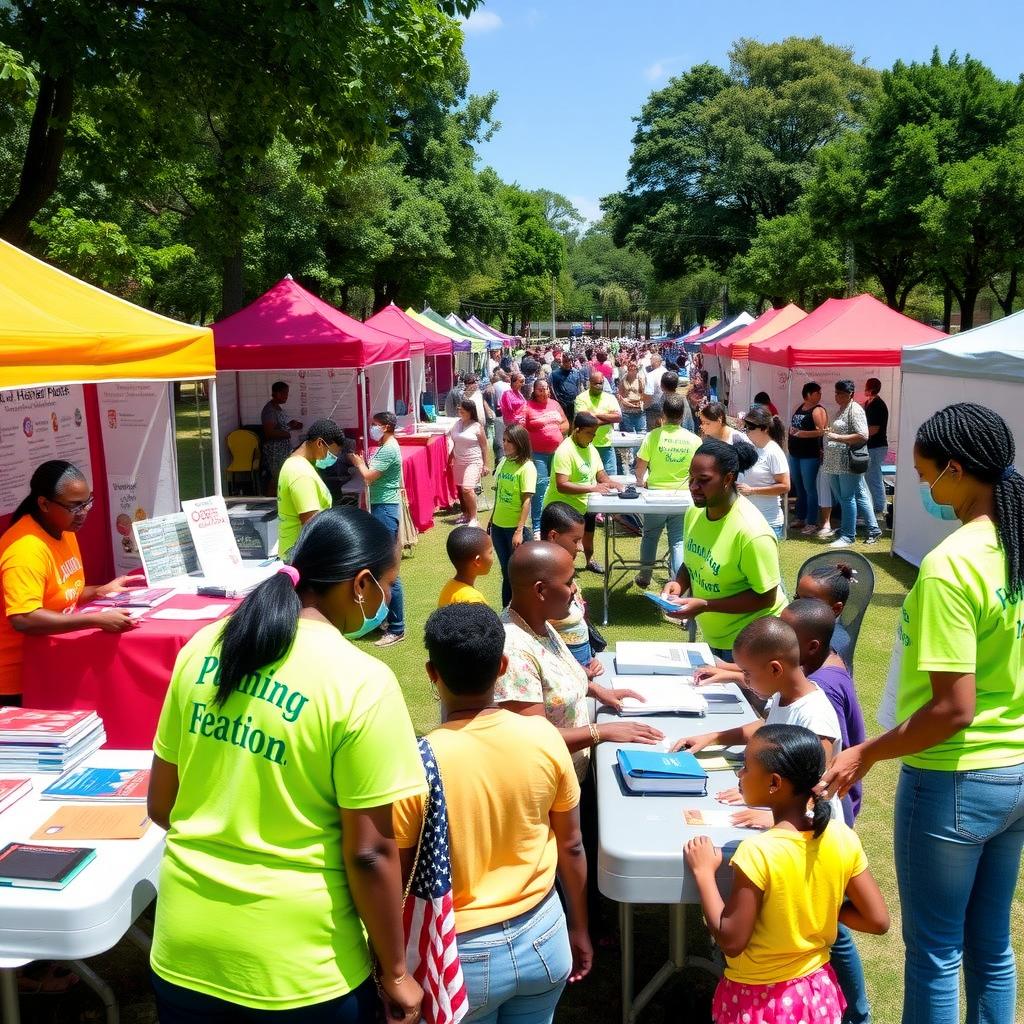
A great way to kick off your volunteer journey is to Join a Health Fair: Your First Volunteer Win. Health fairs are beginner-friendly and impactful. They’re events where communities access free health screenings, education, and resources. As a volunteer, you might hand out flyers, assist with check-ins, or help with activities like vision tests.
My first health fair was eye-opening. I helped at a booth teaching kids about healthy eating. Watching them light up while learning was rewarding. Health fairs are low-pressure, often need lots of hands, and let you see immediate impact. Check platforms like VolunteerMatch or local hospital websites for upcoming events.
Step 2: Explore Your Interests
Not sure what cause excites you? Start by asking yourself what matters most. Love animals? Shelters need dog walkers. Care about education? Tutoring programs are always looking for help. If health is your thing, Health Advocacy: How Volunteers Are Improving Community Health shows the power of volunteers in spreading awareness and access to care.
Here’s a quick way to narrow it down: - Make a list: Jot down causes you care about (e.g., environment, health, education). - Research local needs: Check community boards or sites like Idealist.org. - Start small: Commit to one event to test the waters.
Volunteering doesn’t require expertise—just enthusiasm and a willingness to learn.
Step 3: Find Impactful Volunteer Programs to Join Today
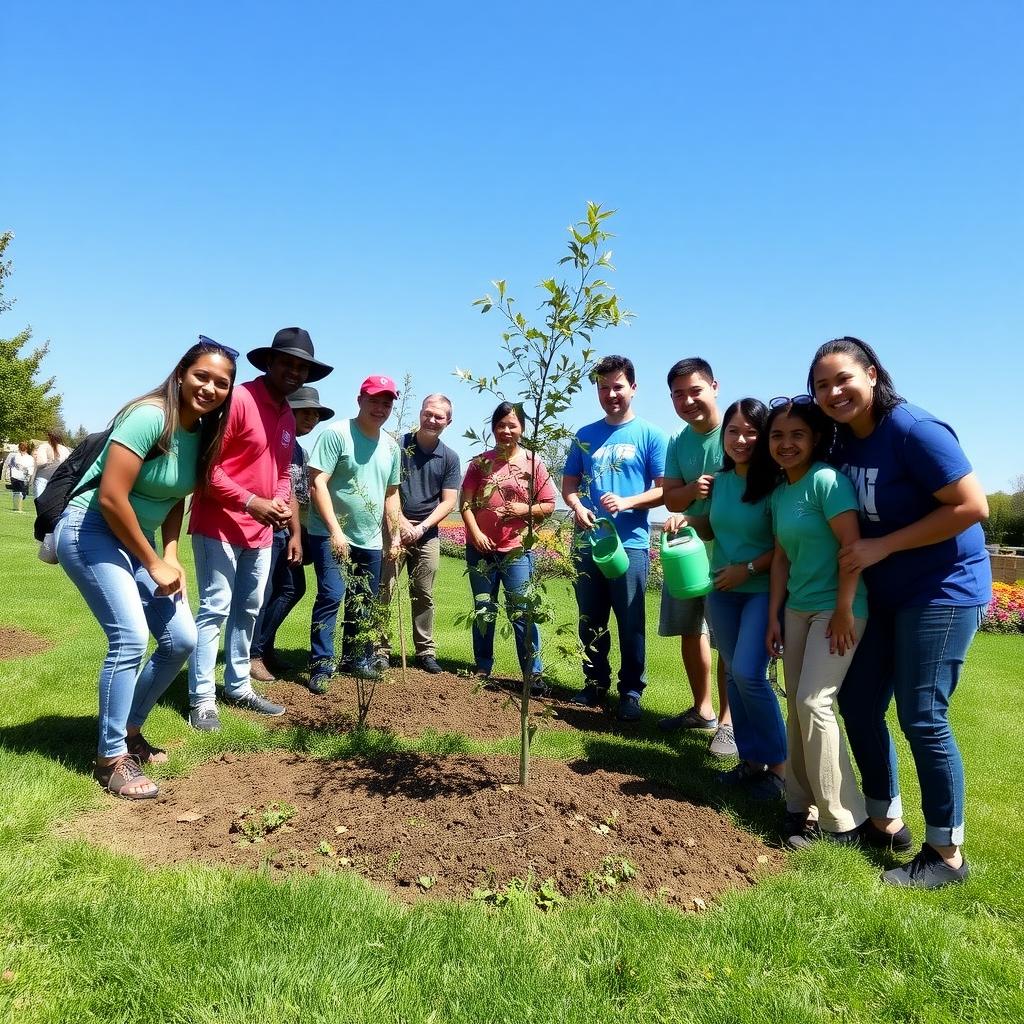
Once you’ve identified your passion, it’s time to find the right program. Impactful Volunteer Programs to Join Today include structured opportunities with clear roles and training. Here are a few to consider:
| Program Type | Description | Where to Find |
|---|---|---|
| Health Advocacy | Promote wellness through education and screenings. | Local hospitals, Red Cross |
| Environmental | Cleanups, tree planting, or conservation projects. | Sierra Club, local parks |
| Youth Mentorship | Tutor or mentor kids in need. | Big Brothers Big Sisters |
| Food Security | Serve meals or stock food pantries. | Feeding America, local shelters |
These programs often provide training, so you don’t need prior experience. I joined a mentorship program and was nervous about connecting with teens. The training gave me confidence, and now I look forward to our weekly chats.
Step 4: Get Involved in Volunteer Advocacy Initiatives for Social Change
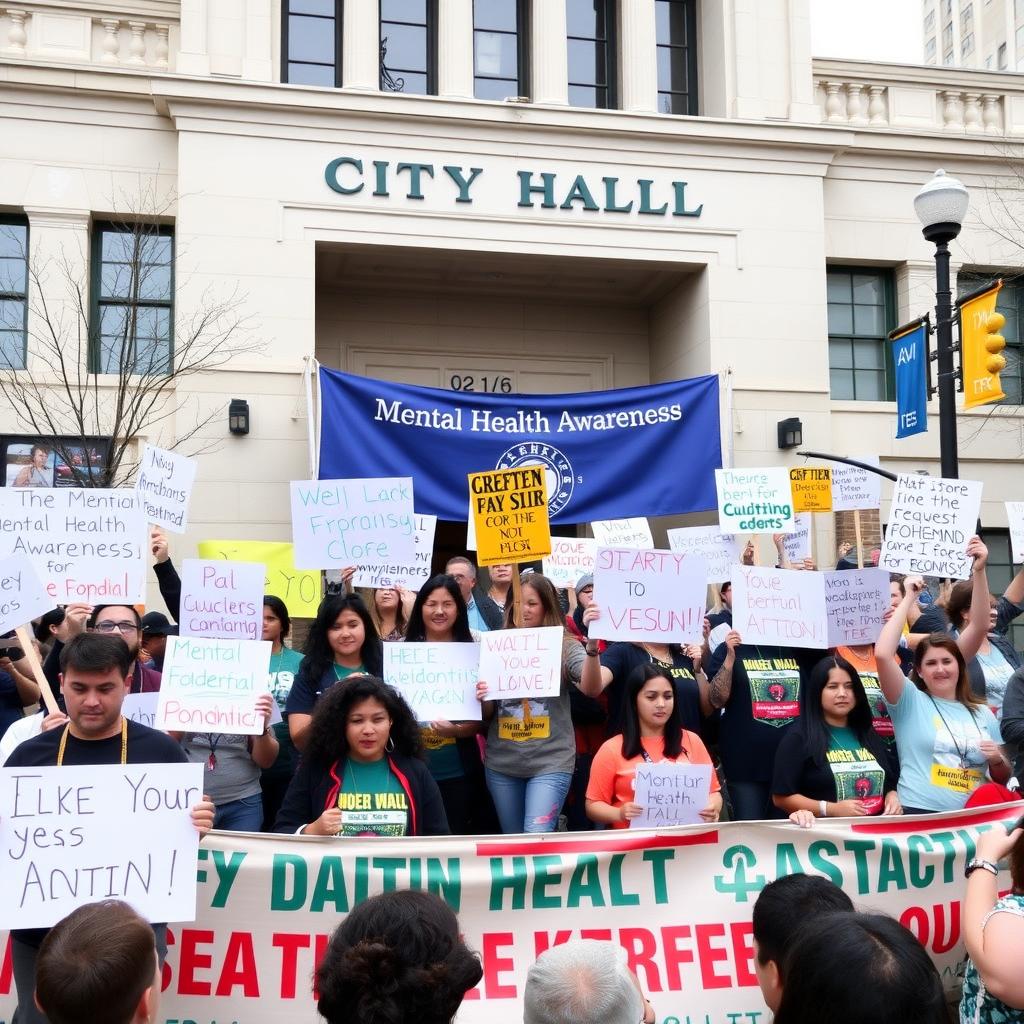
If you want to make a broader impact, consider volunteer advocacy initiatives for social change. These programs focus on systemic issues, like improving healthcare access or addressing inequality. Volunteers might organize campaigns, raise awareness, or lobby for policy changes.
For example, I joined a group advocating for mental health resources in schools. We collected signatures and shared stories to push for better funding. It felt empowering to see our efforts lead to a new counseling program. Look for advocacy groups through organizations like Amnesty International or local nonprofits.
Step 5: Tips for a Successful Volunteer Experience
To make the most of your journey, keep these tips in mind: - Be reliable: Show up on time and follow through. - Ask questions: Don’t be afraid to clarify your role. - Connect with others: Build relationships with fellow volunteers. - Reflect on your impact: Take time to appreciate the difference you’re making.
I learned early on that consistency matters. Missing a shift at the food pantry left me feeling disconnected. Sticking to a schedule helped me build trust with the team and deepened my impact.
Overcoming Common Challenges
New volunteers often face hurdles. You might feel shy, worry about time commitments, or wonder if you’re making a difference. Here’s how to tackle them: - Shyness: Start with tasks like setting up tables, which require less interaction. - Time constraints: Choose flexible roles, like one-day events. - Doubting impact: Track your contributions (e.g., hours served, people helped) to see your progress.
When I started, I doubted my small role mattered. Keeping a journal of my experiences helped me see the bigger picture—like the families who thanked us at the health fair.
Summary
Starting Your Volunteer Journey: A Beginner’s Guide is about taking that first step, whether at a health fair, through advocacy, or in a structured program. Volunteering transforms communities and enriches your life. Start small, stay curious, and find a cause that lights you up. Your journey begins with one action.